Live head-to-head test
Same task · same setup · same operator
OpenHuman vs Hermes Agent. Which one actually wins?
I tested both on the same SEO task with the same setup. OpenHuman looks slick — desktop app out of the box, easy onboarding, friendly UI. But it's locked inside its own app, gated behind paid tiers, and failed the actual work test. Hermes Agent is free, fully open source, and lives inside your own customisable Agent OS. The full read-along on which one to actually run for real work.
2 of 3
tasks failed by OpenHuman
8K+
GitHub stars · both surging
100%
Hermes wins customisability
"OpenHuman is great for non-technical people — easy onboarding, voice chat, simple connections. But for actual work tasks — like writing an SEO blog post — Hermes crushed it in one shot. OpenHuman got confused and struggled. Hermes still wins."
— Julian, live testing both side by side
II · my story · why this matters
I was you. Then I built this.
Before
Every new AI agent felt the same.
Slick onboarding. A few free credits. Then the paywall.
You'd connect Gmail, you'd connect Calendar, and just when you trusted it — the credits would run out and you'd be looking at a $20/month upgrade.
Worse, every agent lived inside its own app. You'd switch from one tool to another and lose all your context. The agent didn't know what your other agents knew.
And the moment you wanted to customise something — like adding a new skill or a new tool — you'd hit a wall because the app was closed.
Then I built Agent OS around Hermes — free, open source, fully customisable.
After
Now Hermes is the agent harness inside my dashboard.
It's genuinely free — no credit limits, no paid tiers, no surprise upgrade prompts.
It's fully open source — I can read the code, modify the skills, plug in new tools.
It lives inside Agent OS — next to Claude, OpenClaw, Codex, Antigravity, Free Claude Code. Shared vault. Shared workspace. One dashboard.
When I want a custom workflow — like the seven-agent SEO pipeline I run my agency on — I just build it. Hermes doesn't fight me.
Monthly bill on the whole stack: $0.
You can have this too. Same Hermes. Same Agent OS. Same free.
III · the receipts
Real people. Real Hermes deployments. Already shipping.
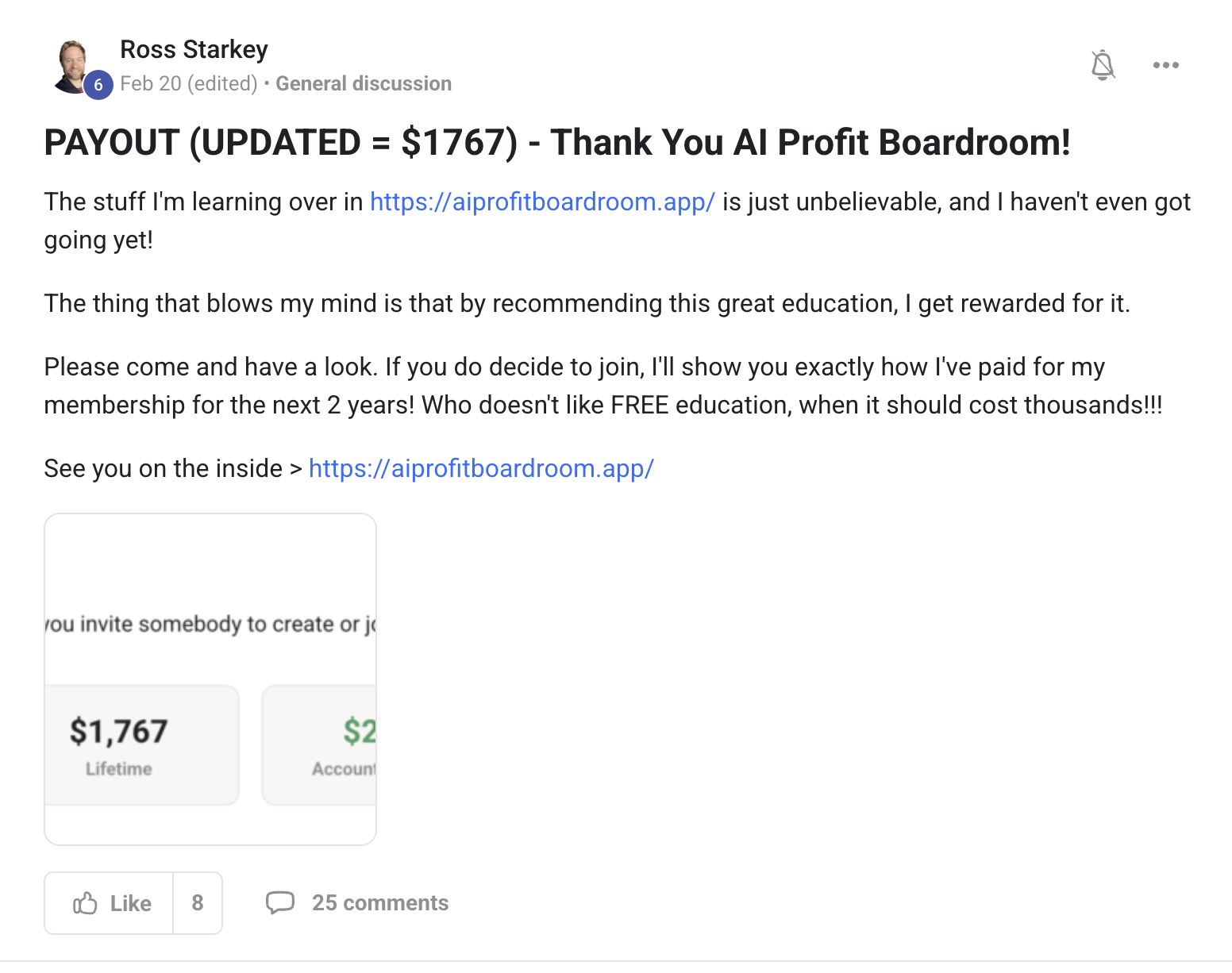
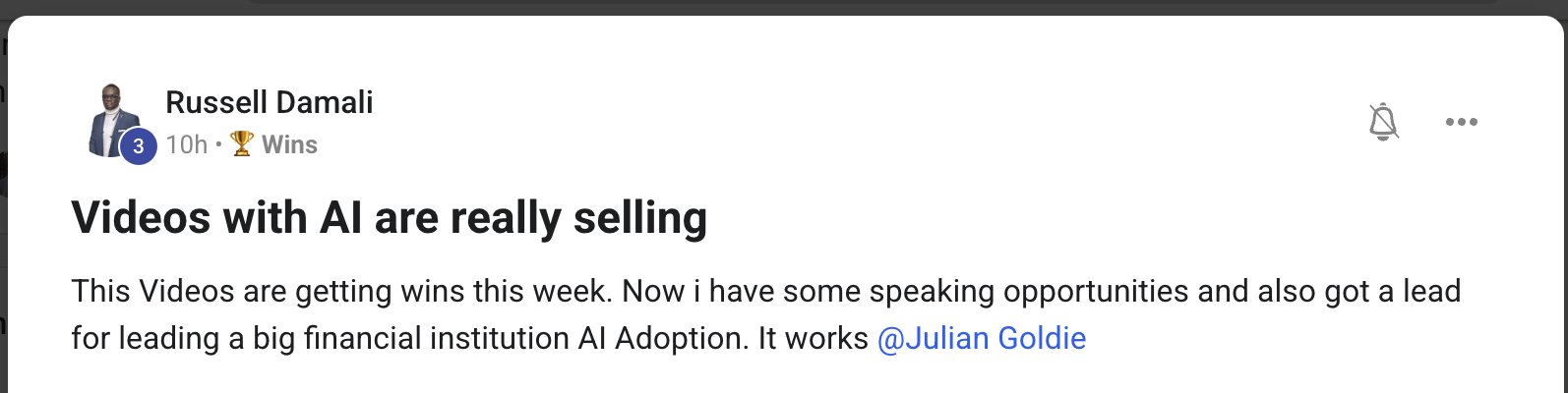
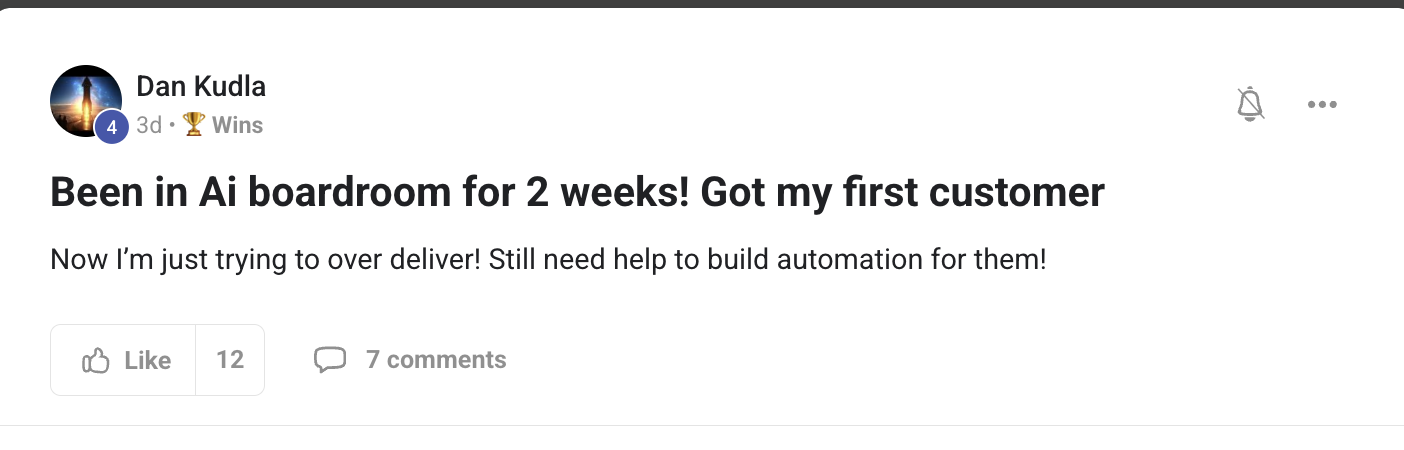
This isn't theoretical. Members inside the Boardroom run Hermes as their daily-driver agent harness — for client work, content, SEO, video, voice planning, overnight builds. Different jobs. Same harness. Same shared dashboard.
2,200+Founders inside AIPB
258Real wins documented
5.28BTokens · Hermes #1 on OpenRouter
319kSubscribers on the channel
$0Hermes harness · forever
Before you scroll on —
Commit to transitioning today. Not tomorrow.
You've seen the proof above. Real members. Real Hermes deployments. Already shipping.
The next 10 minutes show exactly why Hermes wins this head-to-head — and why a free, open-source, customisable agent inside your own Agent OS beats a closed app every time.
So here's the deal.
If you're reading this — promise yourself one thing right now. You're going to finish this guide AND install Hermes (free, 60-second install) before you sleep tonight. Just install. Don't even configure it yet. Because the moment you cross from "thinking about it" to "have it installed", everything about your agent stack changes.
The people sitting still are paying monthly for closed apps. The people switching today are running free, open-source, customisable systems they actually own.
Be one of those people.
Commit to the transition. Commit to installing Hermes today. This is the moment the locked-in agent stops costing you money.
IV · the live test
The live head-to-head test.
Same task. Same setup. Same operator. I tested both agents live on three real work tasks: write an SEO blog post, send an email, schedule a daily content task. Here's exactly what happened.
Setup — what I tested both with.
OpenHuman: installed from tinyhumans.ai/openhum — fresh download, fresh account, swapped the default models to free OpenRouter Owl Alpha so the comparison was fair on cost.
Hermes Agent: installed via the standard hermes CLI — also free, also pointed at Owl Alpha on OpenRouter. Identical brain behind both agents.
Task 1 — Write an SEO blog post for a specific keyword.
Same prompt. Same source case study. Same instructions.
- OpenHuman — got confused. Replied with a clarifying question. Tried again. Got confused again. Couldn't see the long prompt in the input box, which made it hard to know what it was actually working with. Final output: didn't ship anything.
- Hermes — took the prompt, opened a local markdown file, wrote the full SEO blog post in one shot. Told me exactly where it created the content. Done.
Result: Hermes wins by a mile.
Task 2 — Send a test email.
- OpenHuman — easier setup for connections (Gmail, Calendar, Drive). With the default OpenHuman model selected (instead of the free Owl Alpha), it sent the email cleanly. With the swapped free model, it didn't.
- Hermes — also sends email when wired up, but the connection setup takes a few extra steps versus OpenHuman's one-click flow.
Result: OpenHuman wins on connection ease — but only when you're paying its default model.
Task 3 — Schedule a daily content task.
- OpenHuman — doesn't have scheduling tools. Couldn't do it.
- Hermes — scheduled the daily 5am task with one prompt. No questions asked.
Result: Hermes wins. OpenHuman literally can't do this.
"OpenHuman is cool on the outside. Hermes is actually autonomous on the inside. For real work, that's the gap that matters."
The scoreboard — round by round.
| Dimension | OpenHuman | Hermes Agent | Winner |
|---|
| Truly free | Free tier + paid upgrade tiers | Genuinely free forever | Hermes |
| Open source | Stars on GitHub but desktop app is closed-feeling | Fully open source · forked + extended freely | Hermes |
| Customisable | Locked inside its own app · limited extensibility | Wire it into your own dashboard · build custom skills | Hermes |
| Onboarding ease | Desktop app · click-through setup | CLI install · slightly heavier | OpenHuman |
| Voice chat | Built-in voice with text-to-speech | Voice via Studio in Agent OS · works but separate | OpenHuman |
| Connection wizards | Gmail/Calendar/Drive · one click | Manual config · more flexible but slower | OpenHuman |
| Scheduling tasks | Not available | Yes · one prompt | Hermes |
| Long-prompt UX | Can't see long prompts in input | Standard prompt input · sees everything | Hermes |
| Real-work output | Failed the SEO post task | Shipped the SEO post in one shot | Hermes |
| Lives inside Agent OS | Locked in its own desktop app | Yes · next to every other agent | Hermes |
Final tally: Hermes wins 7. OpenHuman wins 3. And the three OpenHuman wins are all in the "easy onboarding" category — which matters for the first 10 minutes and stops mattering after that.
The scale isn't even. Locked box on the left. Open chest spilling gold on the right.
Thinking it?
"OpenHuman's onboarding wins make it the right choice for non-technical operators."
Easier setup doesn't matter if the agent can't do the actual work.
Non-technical operators don't need an agent that's easy to install. They need one that can actually ship an SEO blog post, schedule a task, or run a workflow when asked.
Hermes ships output in one shot. OpenHuman got confused on the same task. That's the gap that matters once you're past install.
Plus Hermes install is one paste-into-terminal command followed by a config — same as connecting OpenHuman to your Gmail. It feels heavier for one minute, then it's done.
✓
Members non-technical at start now running Hermes Goal Mode autonomously for client work.
VI · why hermes wins
Free. Open source. Customisable.
i.
Genuinely free — no credit limit, no paid tier.
Hermes itself is open source and free to run forever. You bring your own model (free Owl Alpha on OpenRouter, your existing ChatGPT subscription, a local LLM — whatever you want). There's no usage cap on Hermes itself.
OpenHuman has a free tier with limited credits and paid upgrade plans ($10–$20/month) for more usage. Even when you swap to a free model, members have reported credits depleting anyway.
You stop watching a credit counter. You start running an agent.
ii.
Fully open source — fork it, modify it, own it.
Hermes is fully open source on GitHub. You can read every line. Fork it. Modify it. Submit patches. The community ships updates weekly — and a recent merge (PR #32809) just made Qwen3.7-Max the default model for the model catalog.
OpenHuman has a public repo, but the desktop app is the primary surface — and the app feels closed in how you can extend it. There's no "build your own Hermes skill" equivalent in OpenHuman's surface.
You stop being a user of someone else's app. You become an operator of your own system.
iii.
Fully customisable — build your own workflows.
Hermes uses a skill system. Drop a skill.md file in ~/.hermes/skills/ and the agent learns a new capability. Your custom keyword-research skill. Your custom outreach skill. Your custom internal-linking skill. Build whatever you need.
OpenHuman has connections (Gmail, Calendar, Drive) — useful, but locked to what they've built. You can't add a new tool the system doesn't already support.
You stop fitting your workflow to the app. You build the app around your workflow.
Thinking it?
"I don't need to customise — the defaults are fine."
You don't know you need to customise until your workflow changes.
Six months in, you'll want a new tool. A new integration. A new automation that's specific to your business. With OpenHuman, you wait for them to build it. With Hermes, you build it yourself.
The customisation isn't for week one. It's for month six — when your business shape no longer fits a generic agent's app.
You stop waiting for product updates. You ship your own.
✓
Members report building 3-5 custom Hermes skills in their first month — none of which OpenHuman offers natively.
VII · what openhuman gets right
What OpenHuman gets right.
Let me be fair to OpenHuman — it gets some things genuinely right. If you're brand new to AI agents and just want to dip a toe in, here's where it shines:
- Desktop app out of the box. No terminal. No CLI. Click download → app opens. For people who don't want to touch a command line, this is real value.
- Easy connection setup. Gmail, Calendar, Drive — one click each. The auth flows are clean and the integrations work.
- Voice chat built in. Press a button, talk to the agent, it talks back. Pretty good for a v1.
- Trending fast. 8K+ GitHub stars in days. There's real momentum behind it.
- Memory + connections feel friendly. The "Assistant's brain" panel where you set up what it learns is approachable.
If you genuinely never want to customise anything, never want to add new tools, never want to schedule tasks, and just want a friendly desktop chat with email + calendar wired in — OpenHuman is fine.
But that's a narrow use case. The moment your workflow grows, the app starts feeling small.
"Easy onboarding is a one-time win. Customisability is a forever win."
Why locked-in apps lose long-term.
Here's the pattern most operators don't see until it's too late.
You start with a closed-app agent because it's easy. You connect Gmail. You connect Drive. You build up a couple of months of conversation history, a few automations, some context the agent has learned about you.
Then one of these things happens:
- The free tier shrinks. You wake up one day and the credits don't last as long. You upgrade.
- The features you want don't ship. You ask for scheduling. They say "maybe next quarter." You wait.
- The pricing changes. The $10 plan becomes $25. You're locked in because your history lives in their app.
- The company pivots. The app gets sunset. Your conversation history disappears. You start over somewhere else.
- You can't extract your data. Closed apps rarely have clean export. Your context is theirs, not yours.
With Hermes inside Agent OS, none of these can happen — because:
- The harness is open source. The company can't sunset what's already in your control.
- Your data lives in your Obsidian vault on your machine, not in their cloud.
- Your skills are
.md files in your own directory.
- Your model can be swapped without re-training anything.
- The whole dashboard is yours, not someone else's product.
Thinking it?
"That's paranoia — those scenarios won't happen."
All five have happened to closed AI apps in the last 18 months.
Pricing changes. Feature delays. Free-tier shrinkage. Pivots. Acquired-and-sunset products. Every closed-app agent operator has lived through at least one of these.
The cost of switching is highest when your data lives in someone else's app. The cost is near-zero when it lives in your own vault.
You stop betting on a single company. You start owning the stack.
✓
Members who started with closed-app agents and migrated to Hermes report saving hours of re-onboarding by the time the migration was forced.
IX · the dashboard advantage
Why Hermes lives inside Agent OS.
This is the part that makes the comparison not even close.
OpenHuman is its own app. A standalone desktop window with its own UI, its own data, its own connections. To use it, you open the OpenHuman app.
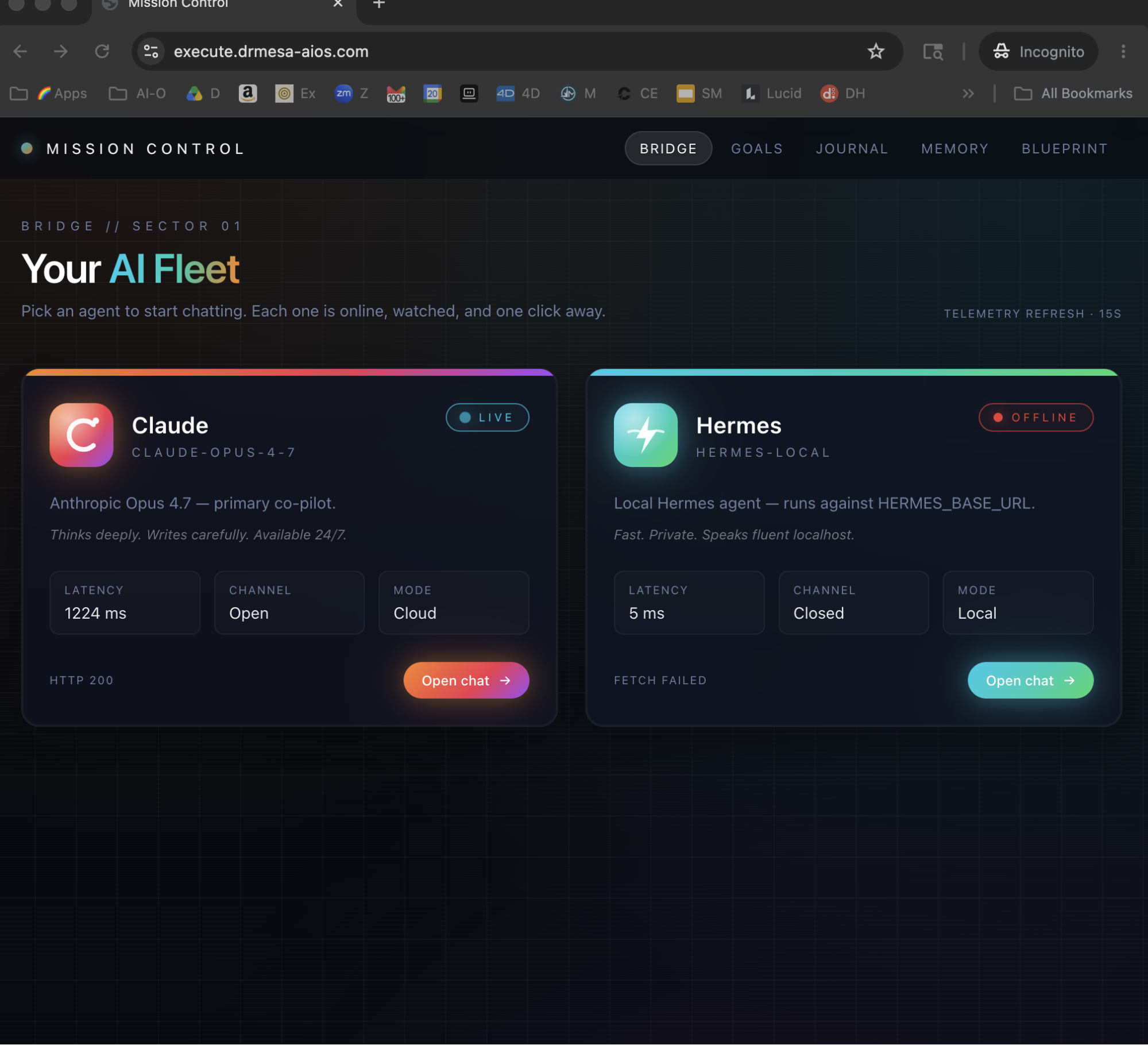
Hermes lives inside Agent OS. It's a panel in your dashboard sitting next to Claude, OpenClaw, Codex, Antigravity, Free Claude Code, Studio, Notebook, Video, Goals. They all share the same vault, the same workspace, the same Mission Control.
a.
Shared memory across every agent.
When you give Hermes a task, every other agent in the dashboard already knows your brand voice, your current goals, your past content — because they all read from the same Obsidian vault. Switch agents mid-workflow without re-explaining who you are.
OpenHuman has its own memory inside its app. That memory doesn't talk to anything outside the app.
b.
One dashboard, one tab away.
Mission Control shows every agent's status. Workspace stores every output. Kanban triages the manual review steps. Goals tracks the autonomous runs. All of them next to Hermes.
OpenHuman is one window. To use anything else, you open another window. Context lost between every switch.
c.
Compounding across the stack.
Run a Hermes goal. Output saves to Workspace. The Video agent picks up the script. The Notebook auto-tags the research. Claude can reference it tomorrow. The whole stack lifts.
Inside OpenHuman, an output is an output — it doesn't propagate.
d.
The bill stays zero.
Hermes is free. Free Claude Code is the fallback. Obsidian is free. The whole stack costs $0 per month after setup.
OpenHuman starts free, scales to $10–$20/month for usable tiers, and the credit counter keeps ticking even on the free plan.
OpenHuman is an app.
Hermes inside Agent OS is a workflow.
You don't open an app to do work. You live inside the workflow.
~ the 60% mark · time to commit ~
Get the full Hermes + Agent OS setup, ready-made.
The agent the agency runs on. The one the test just confirmed.
- Hermes pre-wired — installed, configured, ready to use
- Free model setup — Owl Alpha, Free Claude Code, OpenRouter fallbacks
- Custom skills pack — the 7 SEO skills, the video skill, the voice skill
- Goal Mode templates — overnight runs that actually finish
- 30-day playbook — what to build, when
- Weekly live calls — debug your specific Hermes setup
- 2,200+ members running Hermes daily
Join the Boardroom →
link in description
X · the verdict
The final verdict.
~ live test verdict ~
Hermes Agent wins — not even close.
OpenHuman is friendly and easy to start with. But it failed the actual work test, it's gated behind paid tiers as you scale, and it's locked inside its own app where you can't customise the things that matter most.
Hermes Agent is genuinely free, fully open source, fully customisable, and lives inside an Agent OS you actually own. For real work — SEO, content, scheduling, video, voice planning, overnight builds — there's no contest.
If you're brand-new to AI agents and just want to chat with one for fun — try OpenHuman, it's a nice on-ramp.
If you're an operator who needs your agent to actually do work, scale with your business, and not bill you monthly — Hermes inside Agent OS is the move.
XI · the voice in your head
Three beliefs holding you back.
✕ "Easier onboarding is the most important thing for an agent I'll use daily."
Easier onboarding helps for the first 10 minutes. After that, you live in the agent for years. What matters is whether the agent can actually do the work.
✓ Optimise for the workflow, not for the install.
Hermes takes 60 seconds longer to install. Then it works for years. OpenHuman takes 10 seconds. Then it hits its ceiling within weeks.
✕ "Open source isn't reliable enough for daily work."
Open source IS daily work for most of the internet. Linux. Postgres. nginx. Hermes sits in that lineage — 5.28B tokens on OpenRouter this month make it the most-used open-source agent harness in the world.
✓ Hermes is more battle-tested than most closed-app agents.
The traffic is bigger. The community is bigger. The patches ship faster. The fact that it's free doesn't mean it's worse — it means the moat is the harness design, not the price tag.
✕ "Customisation only matters for developers."
Customisation = your business shape. Every business is different. Every workflow is different. A non-developer who wants to schedule "post a blog every weekday at 6am" still needs customisation — and Hermes lets them.
✓ Customisation is the future-proof.
Your workflow will change. The agent that lets you change with it is the one you'll still be using in 2027.
Don't take my word for it
258 real members already broke through these beliefs. Their wins — real switches, real customisations, real savings — are documented here.
Read the 158-page testimonials doc →
An app you use vs.
A system you own.
— pick the one that's still yours in five years
XII · the recap
What you've just gained.
i.You stopped paying.
Hermes is genuinely free forever. No tiers.
ii.You stopped being locked in.
Open source means you own the stack.
iii.You stopped waiting for features.
Custom skills you build yourself, anytime.
iv.You stopped switching apps.
Hermes lives inside Agent OS, next to every other agent.
v.You stopped failing real work.
Hermes shipped the SEO post in one shot. OpenHuman didn't.
vi.You stopped guessing.
Hermes schedules. OpenHuman can't.
vii.You started compounding.
Every output feeds every other agent in the dashboard.
viii.You started owning the workflow.
Not renting it from someone else's app.
~ ready when you are ~
Get the full Hermes + Agent OS.
Hermes is the agent that won the test. Agent OS is what makes it a workflow instead of a window. Inside the AI Profit Boardroom you get the full setup, the install, the calls, and the community already running this every day.
- The full Agent OS install — Hermes pre-wired + ready to run
- Custom skills pack — SEO, video, voice, content, scheduling
- Goal Mode templates — overnight builds that finish
- Migration walk-through — moving off closed-app agents cleanly
- Weekly live calls — every Thursday I demo what's new
- 2,200+ members running Hermes daily across 38 countries
- 7-day refund — install, run a real task, decide after
Join the Boardroom →
2,200+ members · 7-day refund · cancel in 2 clicks · I'll see you in the next one.