The Open Source Qwen Machinea 2.4-trillion-parameter giant in your dashboard
Qwen 3.8 Max is the biggest open-weights model in the world. I plugged it into my Agent OS as one profile chip — here's what that unlocks, and how you wire it in yourself.

The Small Brain Problem.
Imagine hiring the smartest person on earth.
Then making them work through a mail slot.
That's how most people use big AI models.
The model is huge. The way they reach it is tiny — one chat tab, no memory of the business, no tools, no follow-through.
So they get small answers from a giant brain.
They copy the answer out. They paste it somewhere else. They lose the thread by Tuesday.
And the strongest open model ever released ends up doing intern work.
The Open Source Qwen Machine™ breaks that cycle: the giant gets plugged into the operating system — chat, memory, tickets, builds — instead of squeezed through a mail slot.
The weights are open, but you don't have to run them — one config file points your dashboard at it through an API.
Setup is two small text files. If you can paste, you can plug it in.
Same dashboard. Bigger brain.
My Agent OS is one dashboard where every AI I use lives as a chip — a little pill button in the chat.
Each chip is a "profile": a model plus its own memory and rules.
Plugging in Qwen 3.8 Max just means adding one more chip.
Tap the chip, and every message you type now goes to a 2.4-trillion-parameter brain instead of a small one.
Everything else — your chat history, your Obsidian memory, your kanban board, your voice wake word — stays exactly where it was.
That's the whole idea: the OS is the body, and you can swap the brain.
One message's journey through the Machine
qwen/qwen3.8-max.So when someone asks "but what IS it?" — it's one config file that makes the world's biggest open model answer inside the dashboard you already use.
What it looks like plugged in
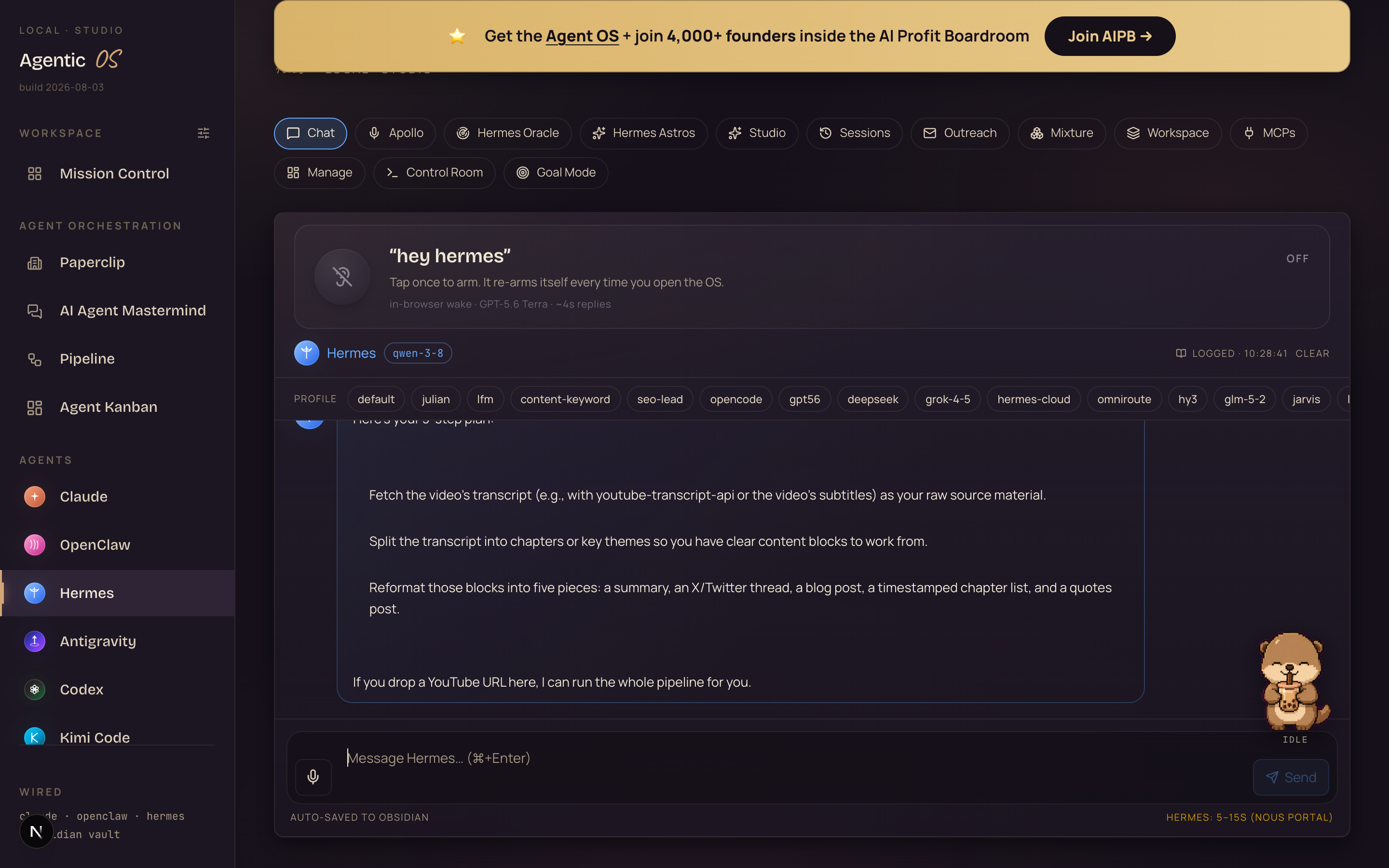
What you're looking at: my actual chat, qwen-3-8 chip active (top left, next to Hermes). I asked for a 3-step plan to turn one YouTube video into five pieces of content — the giant answered in seconds and even offered to run the whole pipeline if I drop a URL. Every exchange auto-saves to my Obsidian vault.
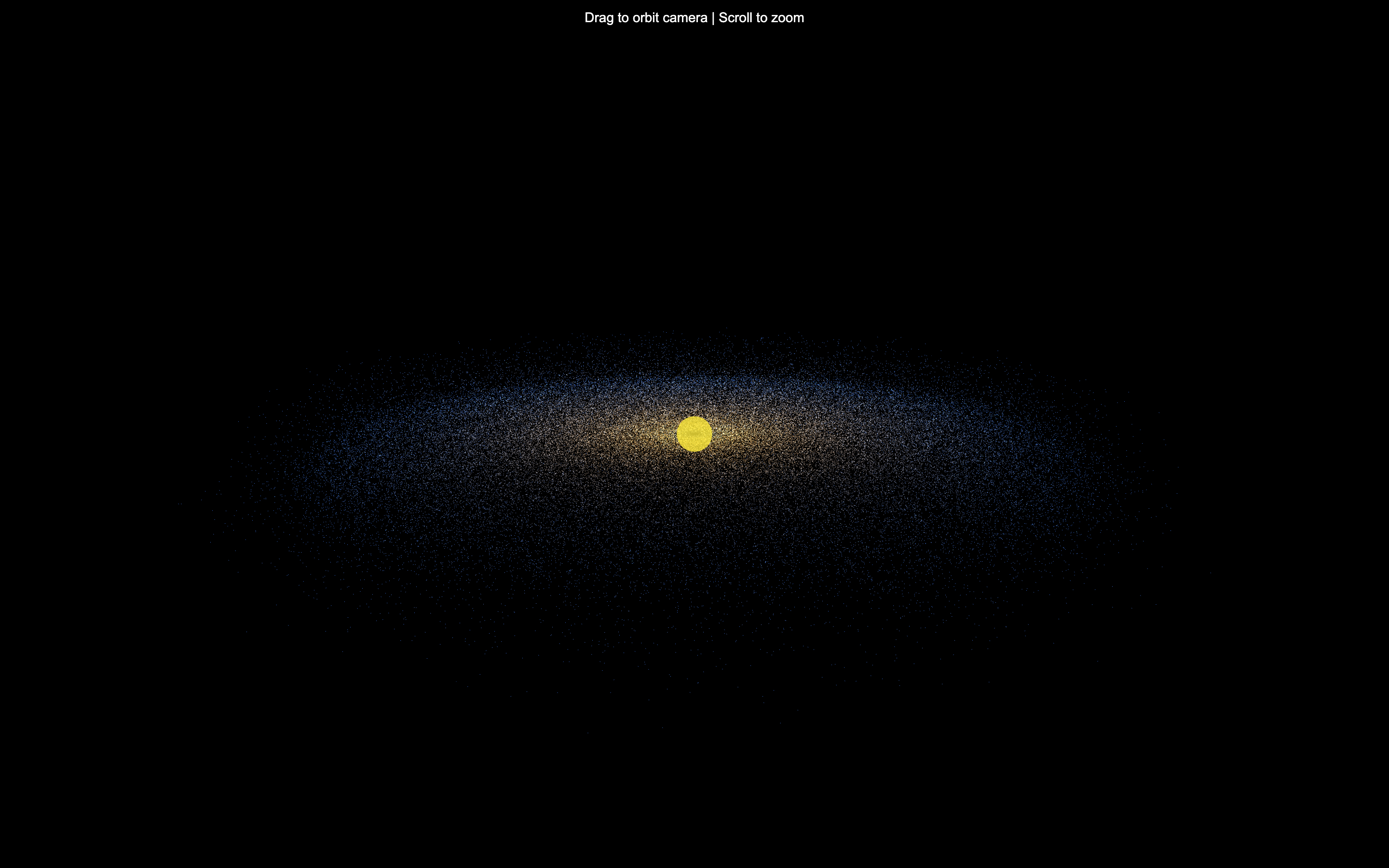
What you're looking at: a galaxy simulation Qwen 3.8 Max built from a single prompt on my bench — one of 47 real builds in the demo grid below. This is the same brain that answers my chat, doing real work.
I made the giant build things. Play them.
Before I trusted it with real work, I ran Qwen 3.8 Max through my bench — one prompt per build, no hand-fixing allowed.
It shipped 47 games and simulations. Here are six — click any card to play the live build.



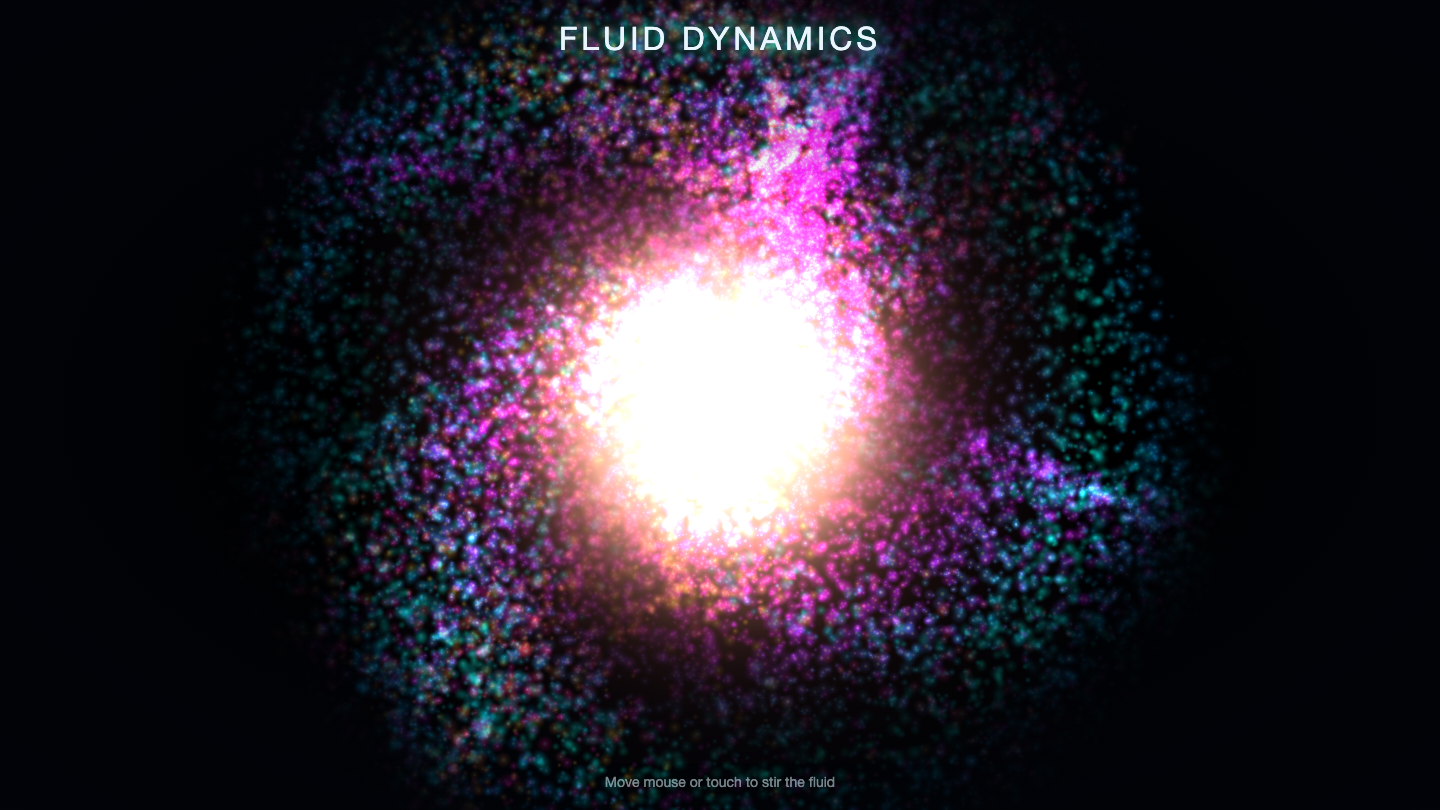
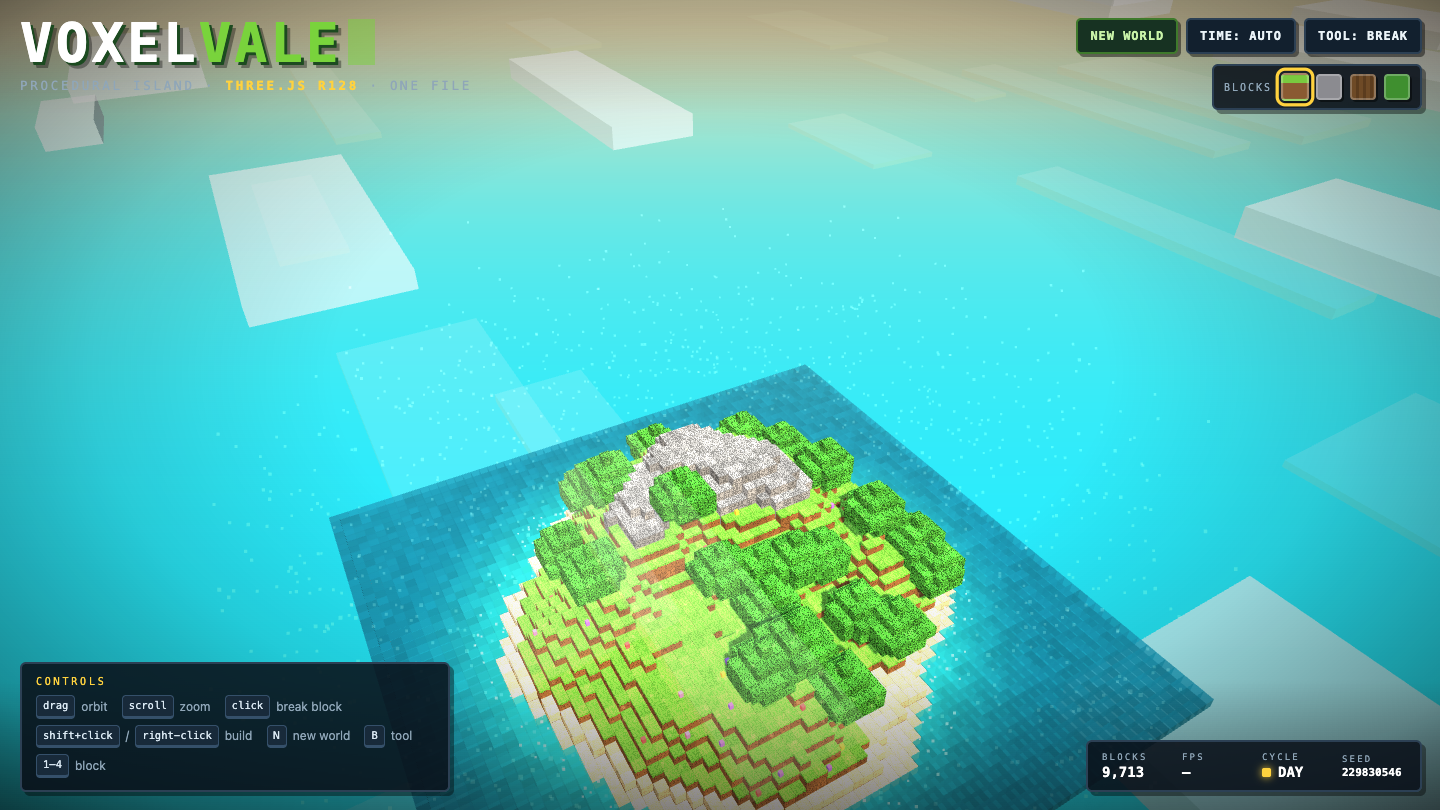

Want every build, side by side against Claude? The full shoot-out is here: Qwen 3.8 vs Fable 5 — every build compared →
The Open Source Qwen Machine™ — five layers
This is the exact system, bottom to top. Screenshot it.
The mail slot vs the Machine
- One browser tab, logged into someone's chat site
- Re-explain your business every single session
- Copy answers out by hand, lose them by Tuesday
- No tickets, no builds, no voice — just typing
- Closed model — the vendor can change or remove it
- The giant lives in YOUR dashboard, next to every other agent
- Reads your Obsidian memory — knows the business cold
- Every exchange auto-saved, searchable forever
- Chat, voice wake word, kanban tickets, bench builds
- Open weights — the brain is yours, forever
Keep it. The OS runs every model side by side — this adds the biggest open brain to the roster, it doesn't replace anything.
What's actually holding you back
Wrong: "Open models are the budget option — the good stuff is closed."
Right: Qwen 3.8 Max is 2.4 trillion parameters with a million-token memory — frontier scale, and the weights are public. Scroll up: those 47 builds are the receipts.
Wrong: "Wiring a model into a dashboard is a developer job."
Right: It's one small text file with four lines that matter. The full file is printed below — you paste it.
Wrong: "I should wait until the model wars settle."
Right: The OS is built for swapping — every new giant becomes a chip next to the old ones. People building the socket NOW get every future brain for free.
Members post their wins in a 158-page doc — real businesses, written in their own words.
Read the 158-page wins doc →Get the Open Source Qwen Machine built for you.
You can wire this yourself with the steps below. Or get the whole thing done inside the Agent Operating System — the socket, the memory loop, and every work surface pre-connected.
The exact setup. Copy it.
Step 1: One OpenRouter key reaches the giant.
Sign up at openrouter.ai, create a key, and you can call qwen/qwen3.8-max — no Alibaba account needed.
One trap to skip: if you ever used an old local gateway pinned to "Qwen3.8-Max-Preview", it's retired and fails every request — point at OpenRouter instead.
Step 2: One profile file plugs it into Hermes.
# ~/.hermes/profiles/qwen-3-8/config.yaml
model:
  default: qwen/qwen3.8-max
  provider: openrouter
  base_url: https://openrouter.ai/api/v1
  api_mode: chat_completions
toolsets:
  - hermes-cli
Put your OpenRouter key in the profile's .env as OPENROUTER_API_KEY. That's the whole socket.
Step 3: The chip appears in your OS chat on its own.
The Agent OS reads your profiles folder and shows every profile as a pill button. Open Hermes → tap qwen-3-8 → talk to the giant.
Test it the way I did: ask for a 3-step content plan. You should get an answer in seconds — mine offered to run the whole pipeline.
No — that's the biggest myth about it. The everyday 90% runs on free local models and free-tier APIs, and for frontier work it drives the subscriptions you already pay for — your Claude plan already includes the Claude CLI, and the OS plugs straight into it.
Qwen 3.8 Max itself is open weights, and inside the AI Profit Boardroom there are full token-optimisation tutorials so usage never worries you again.
My honest take, after a week
If you already run an Agent OS: yes, today. The socket takes two minutes and you get a frontier-scale second opinion next to every agent you have.
If you're starting from nothing: start with the OS itself, then add the giant as your second chip. The body first, then the brain.
The people who figure out open giants now, while the tools are moving fast, are going to be way ahead when everything settles. Every socket you wire compounds.
Readers bookmark. Operators plug in.
This guide gives you the Open Source Qwen Machine — the socket, the steps, the receipts. The Boardroom gives you the year I spent building everything around it: the OS, the memory loop, the kanban agents, the coaching calls where we wire it together, and 4,000+ founders who've already hit your exact error message.
Readers bookmark this page and keep feeding giants through mail slots. Operators join, install the Agent OS this week, and hand their first ticket to a 2.4-trillion-parameter employee.
Decide which one you are tonight.
Get the Agent OS →