I ────── The 5.6 Solar System™
GPT-5.6 · three models · all rated High

The 5.6 Solar System™.

GPT-5.6 didn't ship as one model. It shipped as three — Sol, Terra and Luna — plus a pro version of each. That's Sun, Earth and Moon in Latin, and it's the perfect map: one blazing flagship, one balanced workhorse, one small-and-cheap satellite. Here's the whole system decoded — what each is, the prices, the benchmarks, and real builds I ran through Sol.

An operator on a balcony over a glowing night city, looking up at a small silver moon, a blue earth, and a large blazing sun connected by golden circuit filaments — Luna, Terra and Sol

For the first time, OpenAI rated all three models — even the small ones — at High capability on their preparedness scale. So this isn't one frontier model with weaker siblings. It's three genuinely strong models at three price points, all sharing a huge 1-million-plus token context window. The skill isn't "use the biggest one." The skill is knowing which body to reach for. That's what this guide gives you — and if you want to get your workflow ready for it, pair it with the 5.6 prep playbook.

3 × 2Sol · Terra · Luna, each with a pro variant
Highcapability rating — all three, a first
1.05Mcontext window on every one
$1–$30per M output — Luna up to Sol
II ────── How it works, in simple words

Three bodies. Sun, Earth, Moon.

Forget the jargon. GPT-5.6 is three models named after three things in the sky, and the name tells you the job.

☀ Sol — the Sun. The flagship. The biggest, strongest, most expensive brain. Reach for it on the hardest reasoning, the trickiest code, the work where being right matters more than being cheap. $5 in / $30 out per million tokens.

🌍 Terra — the Earth. The workhorse. The balanced middle. Most of a serious workflow lives here — strong enough for real work, half the price of Sol. $2.50 in / $15 out. When you're not sure, this is the safe default.

🌙 Luna — the Moon. The satellite. Small, fast, cheap. For high-volume, simple, or latency-sensitive work — classification, extraction, drafting, the everyday 90%. $1 in / $6 out — a fifth of Sol's price, still rated High.

Then each one has a pro twin — sol-pro, terra-pro, luna-pro — same token price, but it thinks harder by default (more reasoning effort) for the problems that need it.

Luna 🌙 the everyday 90% $1 / $6 per M Terra 🌍 the balanced workhorse · $2.50 / $15 Sol ☀ the flagship · hardest work · $5 / $30
The 5.6 Solar System — Luna the cheap satellite, Terra the workhorse, Sol the flagship. Same 1M+ context on all three; each also ships a pro twin.
III ────── Exactly how it works, step by step

How to pick the right one — no guessing.

Start from the job, not the model. Simple, high-volume, or needs to be fast? Luna. A real task where quality matters but so does cost? Terra. The hardest reasoning or code where being right is everything? Sol. The name is the tier: Moon < Earth < Sun.

Decide if you need "pro." Every model has a -pro twin at the same token price that thinks harder by default. Use the base model for most things; reach for pro when a problem needs deeper reasoning and you'll accept slower, pricier answers.

Turn the reasoning dial. GPT-5.6's reasoning is an effort curve, not an on/off switch — reasoning_effort from low to high. Low is fast and cheap for easy work; high spends more thinking tokens on the hard stuff. Pro variants just ship a higher default.

Feed it the context. All three share a ~1.05M-token window — whole codebases, long documents, entire chat histories in one prompt. The small model is not a small-context model; Luna reads just as much as Sol.

Mix them in one workflow. The winning move isn't one model — it's routing. Luna drafts and classifies, Terra does the bulk, Sol handles the few hard calls. You pay Sol prices only for Sol-hard work.

Supervise the long autonomous runs. OpenAI's own system card flags Sol as more persistent — it will push past the literal instruction to finish a goal, at low absolute rates. Great for agents; worth a human check on long, unattended runs.

Cost per million output tokens — same context, very different bill Luna 🌙 $6 Terra 🌍 $15 Sol ☀ $30 Route the everyday 90% to Luna/Terra, pay Sol only for Sol-hard work — and the blended cost collapses.
Sol costs 5× Luna per token. Same brief on the cheap tier where you can, the flagship only where you must.
✦ ✦ ✦
IV ────── Straight from the source

The launch — and what the system card actually says.

The launch

OpenAI ships GPT-5.6

Three models out of the gate — Sol, Terra, Luna — each with a pro twin. The headline from OpenAI's own preparedness report: for the first time they rated all three at High capability, including the smaller models. A point release on the number; a real jump on the substance.

Reading past the launch tweet into the system card, four numbers matter — and I'm not going to dress them up:

WhatGPT-5.6 (Sol)Why it matters
Capability ratingHigh — all three modelsFirst time the smaller models hit High; the whole lineup is frontier-adjacent, not just the flagship
HealthBench Professional60.5 (+8.7 vs 5.5)Biggest jump since GPT-5 — and with shorter answers, not longer ones
Prompt-injection defence0.910 (up from 0.697)Search + function-calling resistance climbed hard since 5.4 — safer for agents that browse and call tools
Internal CTF (cyber)96.7% — saturatedRated High in Cybersecurity and Bio/Chem; below-High on self-improvement
"A point release — 5.5 to 5.6. Is it really different?"

On the number, small. On the substance, not. The HealthBench Professional jump (+8.7) is the biggest since GPT-5 landed, and it came with shorter answers — more right, less padding. Prompt-injection resistance went from 0.697 to 0.910. And the small models crossed into High for the first time. That's not a version bump; that's the floor of the whole lineup rising.

Official sources + everything I built ↓
V ────── My story · why this matters

I was you. Then I stopped defaulting to the biggest model.

Before

Every task, I reached for the flagship. Felt safe. Felt smart.

My bill said otherwise — I was paying top-tier prices to classify emails and draft tweets.

New model drops, I'd skim a thread, guess it was "better," and move on.

I never actually knew which model fit which job. I just paid up and hoped.

Then GPT-5.6 shipped as three, and I finally had to learn the map instead of guessing.

After

Now Luna drafts and classifies for a fifth of the price — and it's rated High too.

Terra carries the bulk of real work at half of Sol's cost.

Sol only shows up for the hard calls, where being right pays for itself.

Same output, a fraction of the bill — because I route by job, not by fear.

You can have this too. Learn the three bodies, stop overpaying.
VI ────── The receipts

Real people. Real wins. Inside the Boardroom right now.

3,600+ Founders inside AIPB
400k YouTube subscribers
38 Countries · live members
163k X / Twitter followers
29k+ Udemy students

I'm not going to paste invented quotes here. The wins are real and written by the members themselves — agency owners, ecom founders, course creators, solo operators across 38 countries. Read them in their own words.

Read the 158-page wins doc →
Before you scroll on —

Commit to learning the map today. Not tomorrow.

You've seen the three bodies. Now decide to actually use them right.

The next few minutes show real builds, the exact model ids, and how to route between them.

So here's the deal.

If you're reading this — promise yourself one thing right now. Before you sleep tonight, you'll move one job off the flagship and onto Luna or Terra. Just one. Because the moment you stop defaulting to the biggest, most expensive model for everything, your bill drops and nothing about your output changes.

The people sitting still keep paying Sol prices for Luna work. The people implementing today route by job and pocket the difference.

Be one of those people.

Commit to the transition. Commit to taking action today. This changes everything about your workflow.

✦ ✦ ✦
VII ────── I tested it — here's the proof

I ran Sol on GoldieBench — real one-shot games.

Benchmarks on a slide are easy to nod at. So I put the flagship, Sol, through my own bench: one prompt, one file, no retries, no human edits — build a playable 3D browser game. Then I rendered each, judged it 0–10 with Claude Opus 4.8 vision on the same rubric as the rest of the cloud field, and headless-playtested every one (load → click → move → confirm the pixels actually change). Here are the six I focused on first — click any tile to play the real one-shot result.

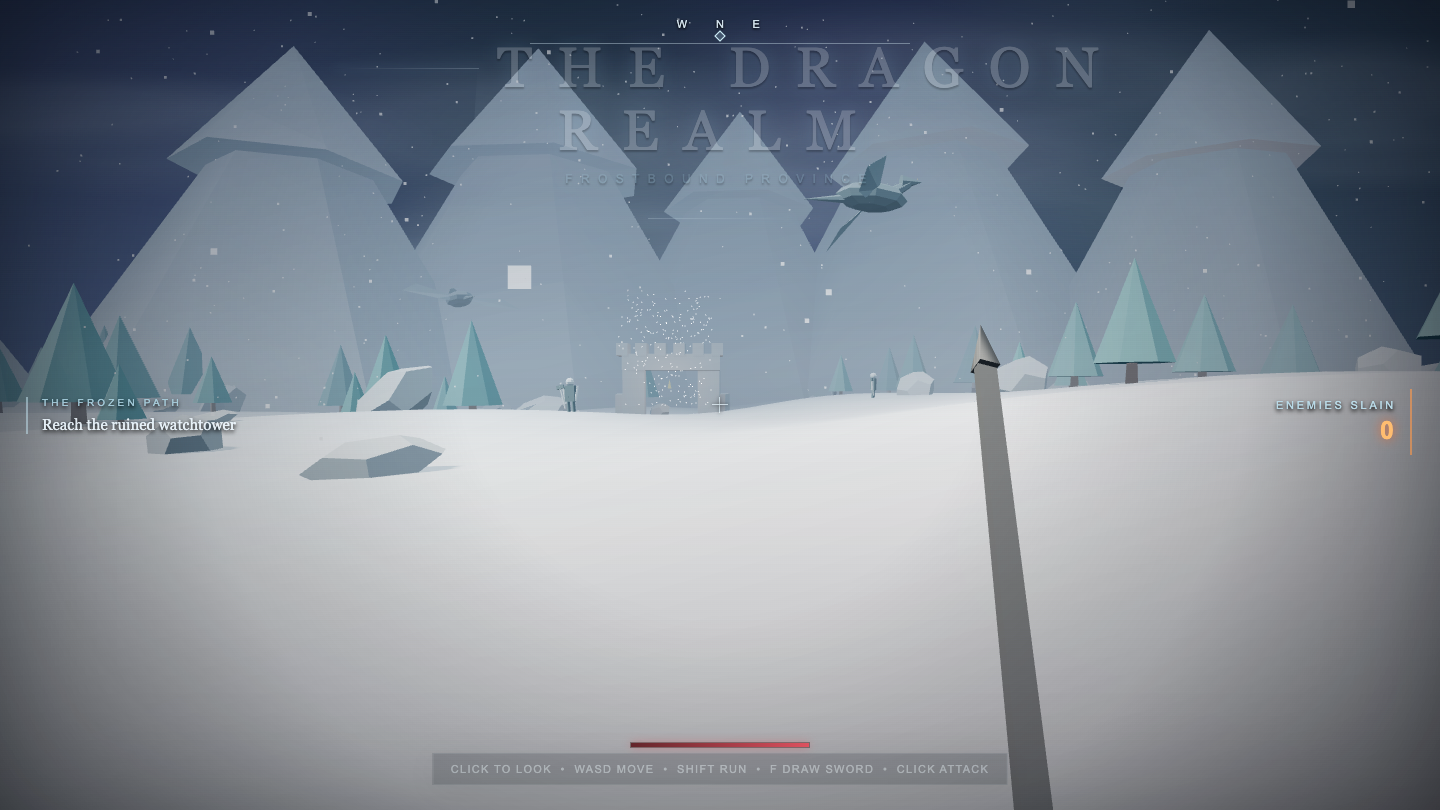
Sol's one-shot Dragon Realm — a snowy low-poly open world with mountains, pines, a flying dragon and a drawn sword
Dragon Realm 8.6 🏆
Skyrim-style frozen open world — snowy mountains, pine forest, drawn sword, compass + quest HUD. Juiced: circling wyverns + draugr to slay, blowing snow, an enemies-slain counter.
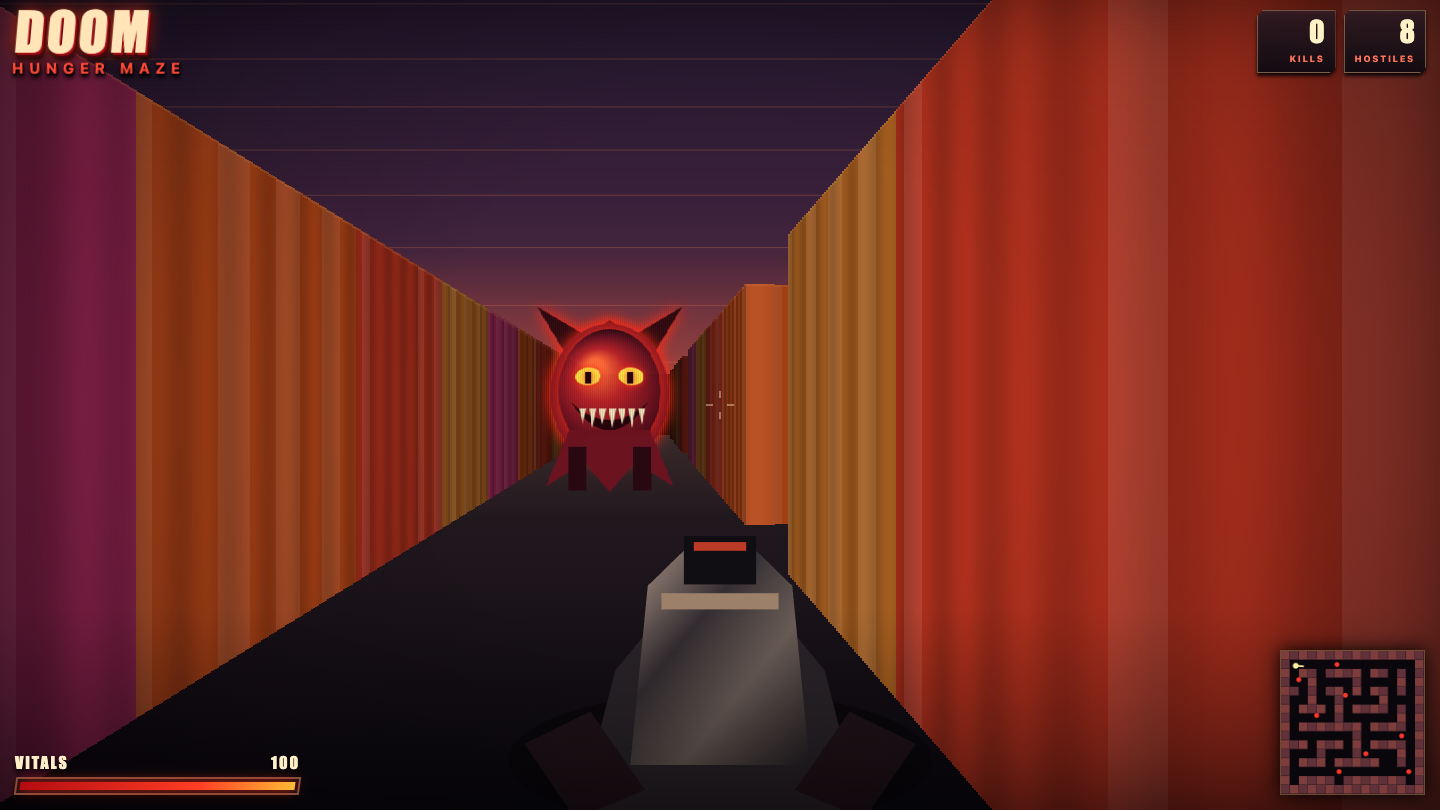
Sol's one-shot Doom-style raycaster — red-lit corridors, a demon sprite, weapon viewmodel and minimap
Doom 8.4 🏆
Raycaster shooter — red-lit corridors, a demon that chases you, weapon viewmodel, minimap with hostile dots.
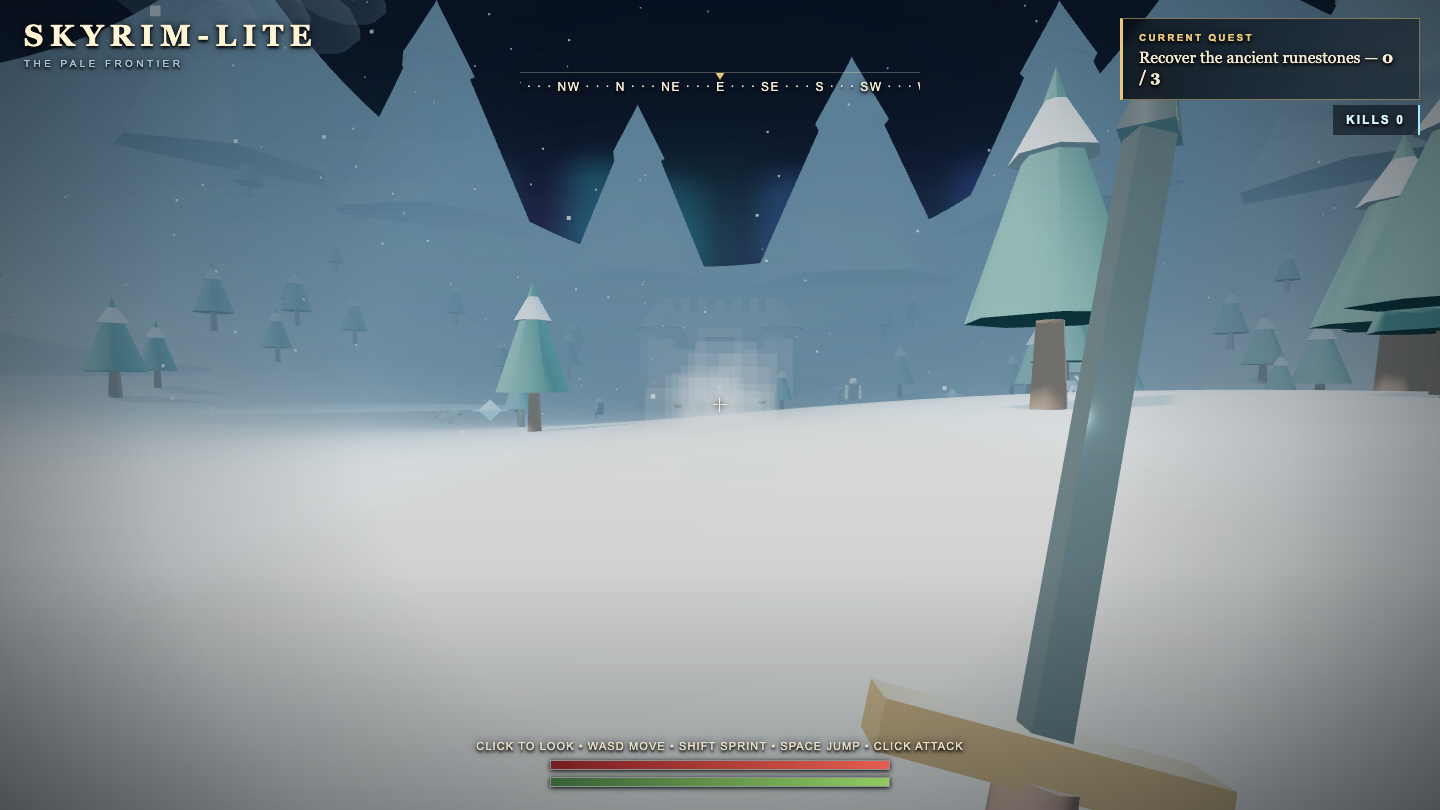
Sol's one-shot Skyrim-lite — snowy terrain, distant mountains, a stone keep and a first-person sword
Skyrim-lite 8.4 🏆
First-person fantasy explorer — snowy terrain, mountains, a stone keep, sword in hand, compass + stamina HUD. Juiced: frost-draugr + snow-wolves to fight, aurora + fog, a kill counter.
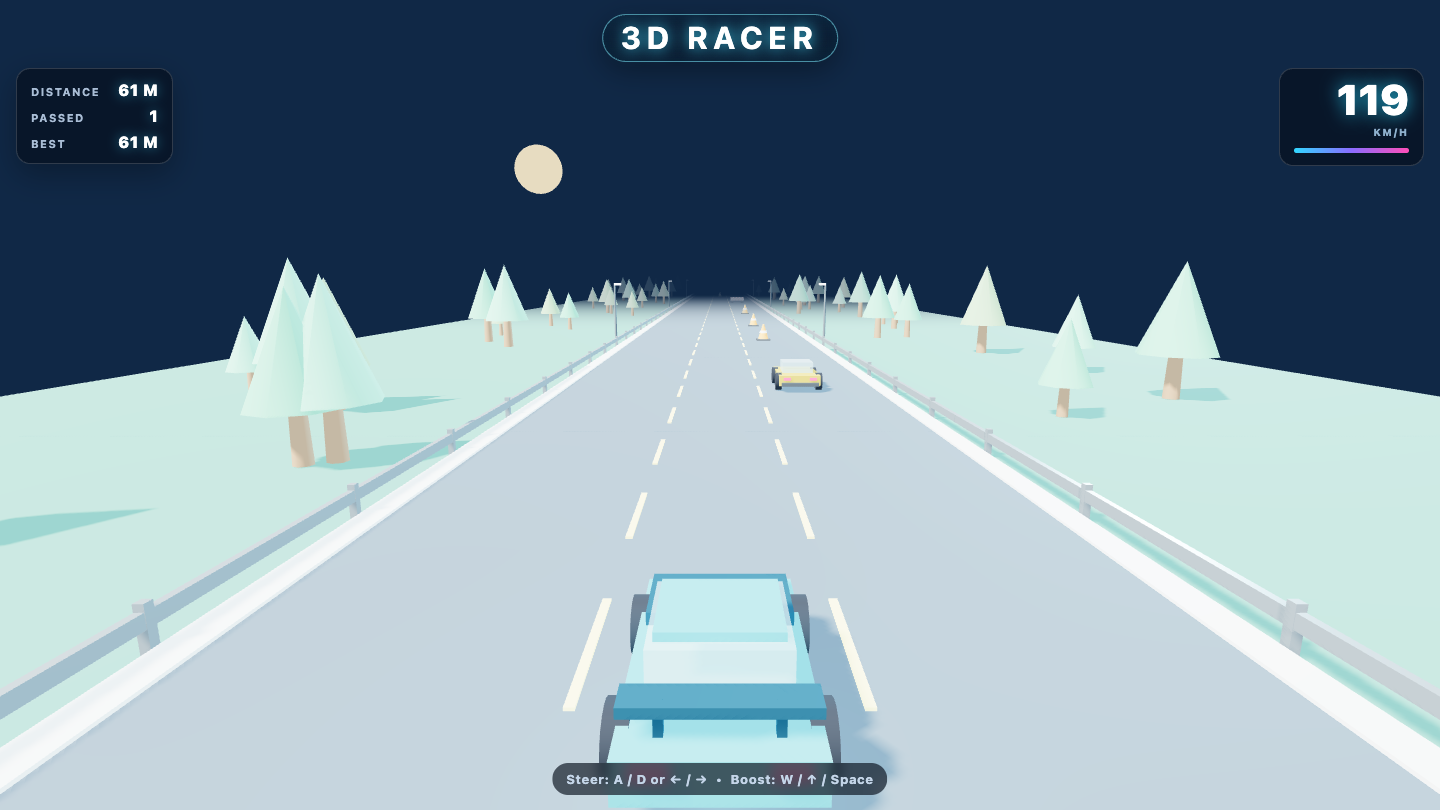
Sol's one-shot 3D racer — a modeled car on a receding track with guardrails, an AI rival and cones
3D Racer 8.4
Third-person racer — modeled car, receding track, guardrails, an AI rival, cones, and a speed/boost HUD.
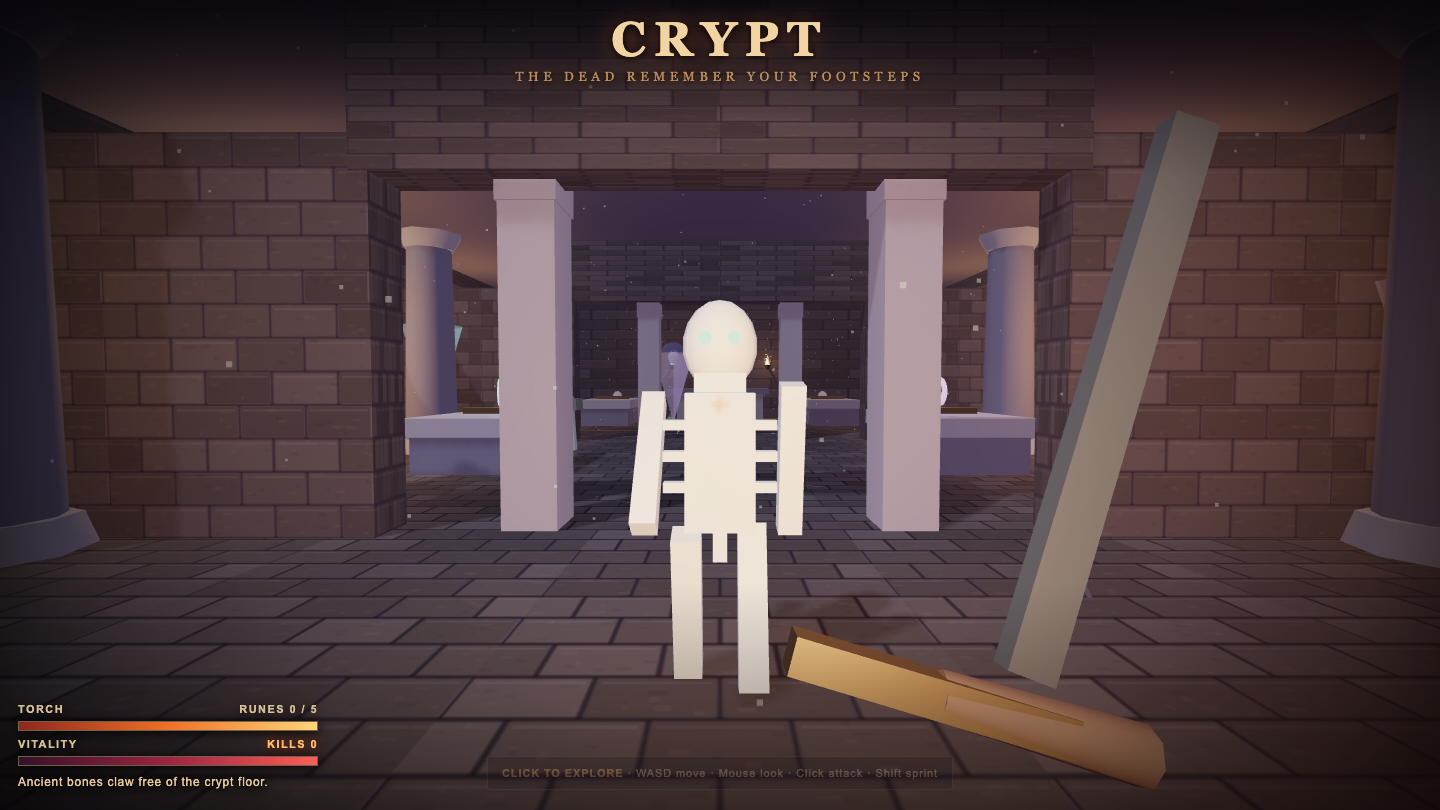
Sol's one-shot crypt crawler — textured stone walls, pillars, archways and a floating rune
Crypt 8.1
First-person dungeon crawler — textured stone walls, pillars, archways, torch + rune HUD. Juiced: skeletons clawing out of the floor, torch-flicker + dust, a kill counter.
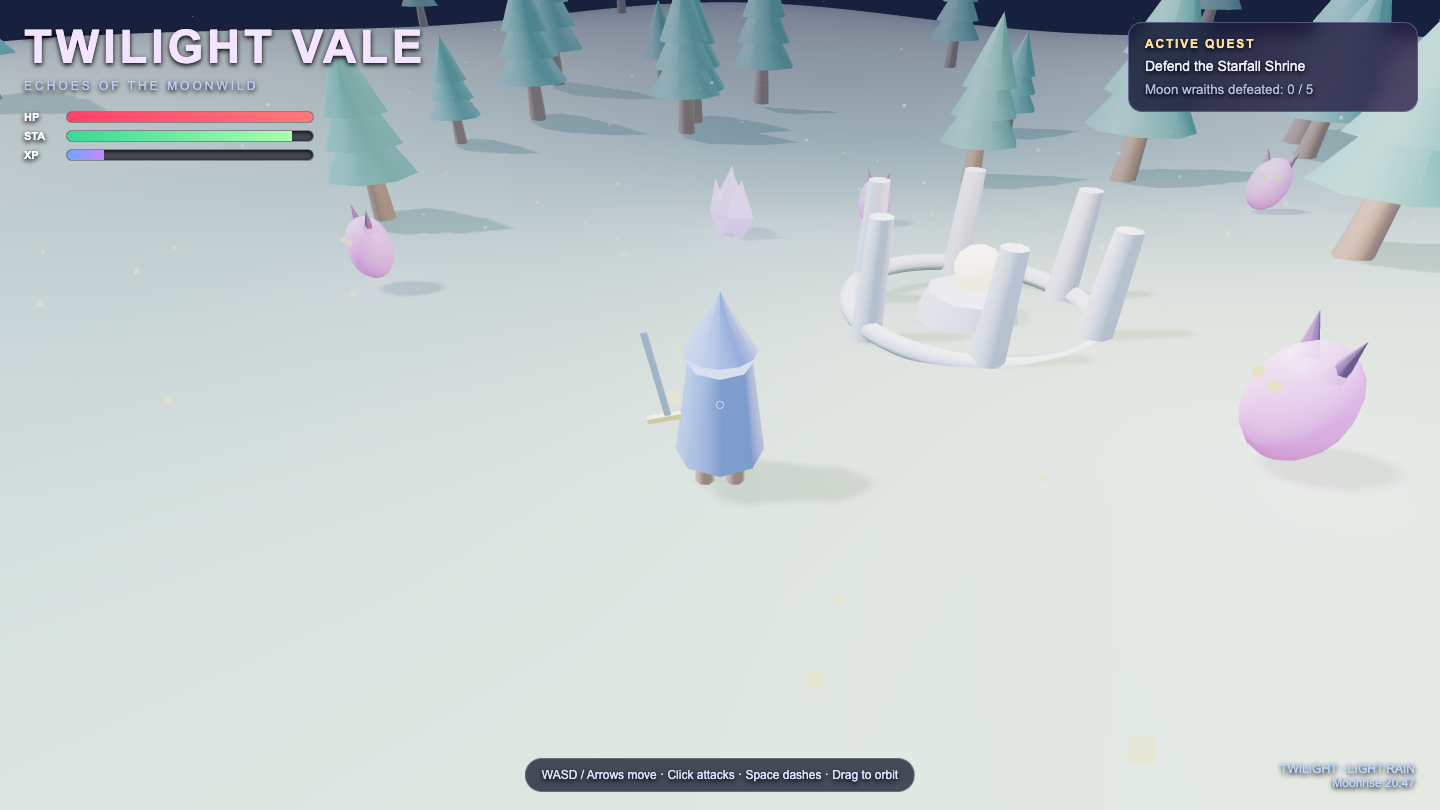
Sol's one-shot Twilight Vale RPG — a hooded hero with a sword, a shrine, wraith enemies and a forest
Twilight Vale 7.8
Open-world RPG — hooded hero with a sword, a shrine, wraith enemies, forest, quest/stats/weather HUD.
Sol on GoldieBench — six one-shot 3D games, judged 0–10 (Opus 4.8 vision) 8.0 8.68.48.48.48.17.8 Dragon Realm 🏆Doom 🏆Skyrim 🏆RacingCryptTwilight Vale Average 8.28 · every build rendered · every build passed a headless playtest
Six one-shot games, no retries, no edits — Sol's real GoldieBench scores. Three tagged as task winners.

Every tile above is the raw, unedited Sol output — the same file the judge saw and the playtest drove. Across the six, Sol averaged 8.28 — every build rendered, and every one passed a headless playtest (input moved pixels, zero console errors). Three of them (Dragon Realm, Doom, Skyrim-lite) the judge tagged as task winners. Update: the Dragon Realm, Skyrim and Crypt play-links are now upgraded builds — I later ran a Sol "juice pass" to add atmosphere + enemies. The scores above are the original one-shots; the links let you play the polished versions.

"Scores are one thing — do the games actually play?"

Fair — a pretty screenshot isn't a game. That's why the poster isn't the test. Each build was headless-playtested: loaded in a real browser, clicked to start, walked with the keyboard, mouse-looked — and I measured whether the pixels changed. A build that renders but doesn't respond fails that check. The tiles above are the ones that moved.

"Isn't a one-shot bench unfair to a model built for agent loops?"

It is a hard mode — one prompt, no retries, no tool-use loop to catch its own bugs. That's the point: it isolates raw first-try build quality. In a real agent (like the Agent OS) Sol gets to run, see the error, and fix it — so treat these scores as the floor, not the ceiling of what it does with a loop around it.

VIII ────── The exact setup

Call all six — the model ids + the dial.

Every GPT-5.6 model is one slug on OpenRouter (or the OpenAI API). Here's the whole lineup:

ModelSlugIn / Out per MReach for it when
Luna 🌙openai/gpt-5.6-luna$1 / $6High-volume, simple, latency-sensitive — the everyday 90%
Terra 🌍openai/gpt-5.6-terra$2.50 / $15The balanced default for real work
Sol ☀openai/gpt-5.6-sol$5 / $30Hardest reasoning + code where being right matters
…-pro…-luna-pro / -terra-pro / -sol-prosame priceSame tier, higher default reasoning effort

All six share a ~1.05M-token context window and up to 128K output. Calling one is a one-line body — and the reasoning dial is a single field:

curl https://openrouter.ai/api/v1/chat/completions \
  -H "Authorization: Bearer $OPENROUTER_API_KEY" \
  -H "Content-Type: application/json" \
  -d '{
    "model": "openai/gpt-5.6-sol",
    "messages": [{"role":"user","content":"…"}],
    "reasoning": { "effort": "high" }
  }'

Drop effort to "low" for fast, cheap answers on easy work; push it to "high" when the problem earns the extra thinking. Swap the slug to route the same call to Terra or Luna. That's the entire API surface of the 5.6 Solar System.

The reasoning dial — capability rises with effort, and so does the bill capability lowbulk · fast · cheap mediumthe default highhard problems pro variants ship a higher default →
One field — reasoning.effort — slides from fast-and-cheap to slow-and-deep. Leave it default, or crank it for the hard 10%.
"$30 per million for Sol — that'll bankrupt an agent that runs all day."

Only if you route everything to Sol — and nobody should. The whole point of three models is that the everyday 90% goes to Luna at a fifth of the price, Terra takes the bulk, and Sol handles the few hard calls. Add a token-diet (my Agent OS runs the Caveman engine to shrink every paid reply 60–75%) and even the Sol calls get cheaper. Route by job and the blended bill is a fraction of "always flagship."

"Do I have to tune the reasoning effort every call?"

No. The default is sensible, and the pro variants ship a higher default so you don't think about it. The dial is there for when you want it — crank it for a gnarly refactor, drop it for bulk classification — but "leave it alone" is a perfectly good setting.

IX ────── The framework

The 5.6 Solar System™.

Four bodies to hold in your head. Match the body to the job and you stop overpaying overnight.

Sol — the Sun

The flagship you reach for on the hardest reasoning and code. Expensive on purpose; worth it exactly when being right pays for itself. Don't default to it — earn it.

🌍

Terra — the Earth

The workhorse where most real work lives. Strong, half of Sol's price, the safe default when you're unsure. If you only learn one, learn this one.

🌙

Luna — the Moon

The cheap, fast satellite for the everyday 90% — drafting, classifying, extracting. A fifth of Sol's price and still rated High. This is where your savings come from.

The pro twins + the dial

Each body has a pro version at the same token price, and a low-to-high reasoning dial. Turn thinking up for hard problems, down for bulk. Same lineup, tuned to the task.

"This routing sounds like work. Can't I just pick one and move on?"

You can — pick Terra and you'll be fine most of the time. But the operators winning on cost aren't picking one; they're letting a dashboard route automatically: cheap model for the 90%, flagship for the 10%. That's exactly what the Agent OS does — you type the task, it sends it to the right body. Inside the AI Profit Boardroom there are full walkthroughs so the routing runs itself.

X ────── Old way vs new way

Old way vs new way.

Old way one model, top price
  • Default to the biggest model for every task
  • Pay flagship prices to classify and draft
  • New release drops — skim a thread, guess it's "better"
  • Never actually know which model fits which job
  • Small models written off as toys not worth trying
  • Reasoning is a black box you can't turn up or down
New way three bodies, routed by job
  • Luna for the 90%, Terra for the bulk, Sol for the hard 10%
  • Pay a fifth of the price for work that doesn't need the flagship
  • Judge a release by real builds — like the GoldieBench run above
  • Match the body to the job every time — no guessing
  • Small models rated High — genuinely useful, not toys
  • Reasoning is a dial: low for bulk, high for hard
"How do I know the small model won't quietly wreck quality?"

Because OpenAI rated Luna at High capability too — the first time the small models cleared that bar. It's not a dumb fallback; it's a genuinely strong model tuned for speed and cost. The honest move is the one I did above: test it on your actual work, keep the receipts, and let the results — not the tier name — decide what runs where.

✦ ✦ ✦
Get the whole operating system

Want all three models routed for you?

The 5.6 Solar System is three models plus a dial — powerful, but only if something routes the work to the right body. That's the Agent Operating System: the dashboard I run my whole business on. Join the AI Profit Boardroom and you get everything:

Model routing — cheap model for the 90%, flagship for the hard 10%, automatic
The Caveman Command Engine — 60–75% off every paid reply
Free local models — the everyday work at $0 on your own machine
Every CLI you already pay for — Claude, Codex, Gemini, Kimi, GLM, Grok in one dashboard
GoldieBench — the live bench where I score every new model on real builds
Hermes Astros — the 24/7 YouTube watcher that writes your titles
The Video Director — topic in, finished video out
Agent Kanban — Planner → Builder → Reviewer teams that ship real work
The memory vault — an Obsidian brain your agents actually read
4,000+ founders + me — daily tutorials, weekly calls, new tools added the week they ship

You're not buying a tool. You're getting the whole operating system I run a seven-figure business on — as a zip, with coaching calls where we set it up together.

Get the Agent OS →
Inside the AI Profit Boardroom · skool.com/ai-profit-lab
Set up in an afternoon · used in 38 countries · new tools added every week
XI ────── Three beliefs to drop

What's holding you back.

Wrong: "The biggest model is always the right choice."

Right: The biggest model is the right choice for the hardest 10% of work. For the other 90%, Luna and Terra deliver the same result for a fraction of the price. Defaulting to the flagship isn't caution — it's an overpayment habit.

Wrong: "A .6 point release is a minor bump — nothing to learn here."

Right: GPT-5.6 posted the biggest HealthBench Professional jump since GPT-5, lifted prompt-injection defence from 0.697 to 0.910, and pushed the small models to High for the first time. The version number is small; the shift under it isn't.

Wrong: "Benchmark scores don't tell me if it can actually build."

Right: Agreed — so I didn't stop at a score. I ran Sol one-shot on real games, rendered them, judged them, and headless-playtested each so input has to move pixels. That's the receipt above: not a leaderboard, playable builds you can click.

Don't take my word for it

158 pages of members who already broke through these exact beliefs. Their stories — real businesses, real wins — are documented here.

Read the 158-page testimonials doc →
XII ────── The SOP

Put the 5.6 Solar System to work — an 8-step plan.

Map your tasks to bodies. List what you do with AI. Tag each: simple/bulk → Luna, real work → Terra, hardest → Sol.

Grab the model ids. openai/gpt-5.6-luna, -terra, -sol (add -pro for the harder-thinking twins) on OpenRouter or the OpenAI API.

Move one job off the flagship. Pick a task you currently run on the biggest model and doesn't need it. Point it at Luna. Feel the bill drop with no quality loss.

Set the reasoning dial per job. reasoning.effort low for bulk, high for hard. Leave it default when you're not sure.

Use the 1M+ context. Feed whole codebases and long docs — every model, even Luna, reads a quarter-million-plus tokens.

Test before you trust. Run your real work through each tier and keep the receipts, like the GoldieBench builds above. Let results pick the router, not tier names.

Supervise long autonomous runs. Sol is more persistent by design — brilliant for agents, worth a human check on long, unattended jobs.

Automate the routing. Once the map is clear, let a dashboard send each task to the right body so you never think about it again.

XIII ────── Recap

What you gain.

You learned the three bodies. Sol the flagship, Terra the workhorse, Luna the cheap satellite — Sun, Earth, Moon.
You know the prices cold. $1/$6, $2.50/$15, $5/$30 per million — and when each is worth it.
You stopped overpaying. Route the 90% to Luna/Terra, the flagship only for the hard 10%.
You read the real benchmarks. All three High, HealthBench +8.7, prompt-injection 0.910 — the substance under a small version number.
You saw real builds. Sol one-shot on GoldieBench — rendered, judged, and headless-playtested, not just a leaderboard.
You own the dial. Reasoning effort low for bulk, high for hard — and pro twins when you want more, same price.
You got the 1M+ window. Whole codebases and long docs in one prompt, on every model in the lineup.
You can route it automatically. Match body to job by hand, or let the Agent OS do it for you.
"GPT-5.6 isn't one model to fear — it's three bodies to aim. Sun for the hard, Earth for the work, Moon for the rest."
Your move

Aim the right body at the right job.

Every model launch, the same thing happens: everyone defaults to the biggest, most expensive option and pays for it all month. The people with the Agent OS route instead — Luna for the 90%, Sol for the 10% — because the machine room is already built: automatic model routing, the Caveman engine shrinking every paid reply, GoldieBench scoring each new model on real builds, free local models for the everyday work, Astros watching YouTube, the Kanban teams shipping while you sleep. That's what you get as a zip file — with coaching calls where we set it up together, step by step. Daily tutorials. A 30-day roadmap. 4,000+ founders across 38 countries, someone online whenever you get stuck. And when the next model lands? I bench it, I break it, and it's in the OS the same week.

Join the AI Profit Boardroom →
Inside the AI Profit Boardroom · skool.com/ai-profit-lab
Keep every file if you leave · 7-day refund · the only way you lose is by not trying

Aim well. I'll see you in the next one.