Hermes is 10X more powerful inside the Agent Operating System.
Hermes on its own is great. I love it. But the second you drop it inside the Agent Operating System, it stops being one good agent and becomes a 10X powerhouse — because it shares one memory with Claude, OpenClaw, Codex, Gemini and Ruflo, sits on the live Swarm Map, saves every output in the Workspace, and gets new powers added daily. Same Hermes. Ten times the result. Let me show you the side-by-side.

If you want Hermes 10X, join the AI Profit Boardroom. You get the Agent Operating System, and we update it daily with stuff like this. The new Hermes powers shipped today. We've already added them — Hermes is already wired in.
Hermes alone is great. Hermes inside is 10X.
Hermes is one of the best agents you can run today. Fast, smart, good at long jobs. On its own it does great work.
But here's what I keep telling people. An agent on its own is one tool. An agent inside the Agent Operating System is part of a team. And a team beats a tool every single time.
This week I put Hermes through a side-by-side test. The same job, twice. First with Hermes on its own. Then with Hermes inside the Agent Operating System — sharing memory with Claude, OpenClaw, Codex, Gemini and Ruflo, plugged into the Swarm Map, saving into the Workspace.
The second run was about 10X better. Faster. Smarter. And it actually knew my business.
That's the whole guide. Let me show you exactly why.
I was you. Then I plugged Hermes into the team.
Before
I was running Hermes on its own.
Every time I opened it, I had to re-explain my business from scratch.
It didn't know my customers. It didn't know my voice. It didn't know what I'd shipped last week.
It worked fine — but it worked alone. Anything it built lived in one window. The minute I closed it, it was gone.
I kept thinking: "this is great… but it should be 10X this."
Then I dropped Hermes inside the Agent Operating System.
After
Now Hermes opens already knowing me — because it shares one memory with the whole team.
Claude hands it research. OpenClaw hands it long-running jobs. Codex hands it clean code. Gemini hands it docs. Ruflo wires the agents together.
Every Hermes run shows up on the live Swarm Map and saves into the Workspace, so nothing gets lost.
And we add new powers to it daily — the day they ship.
Same Hermes. Ten times the output.
You can have this too. Same agent. Same Agent Operating System. Same path.
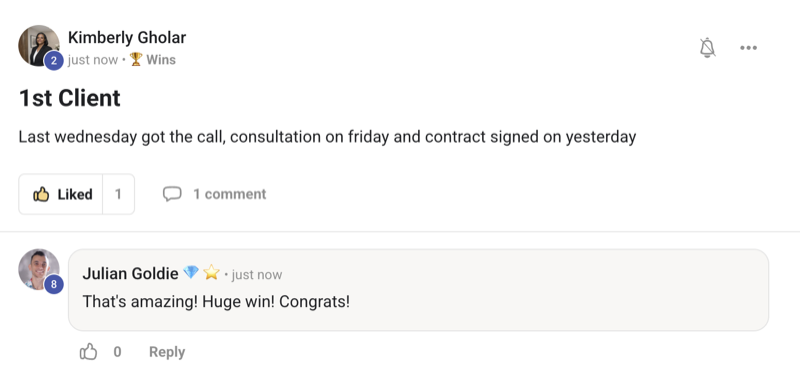
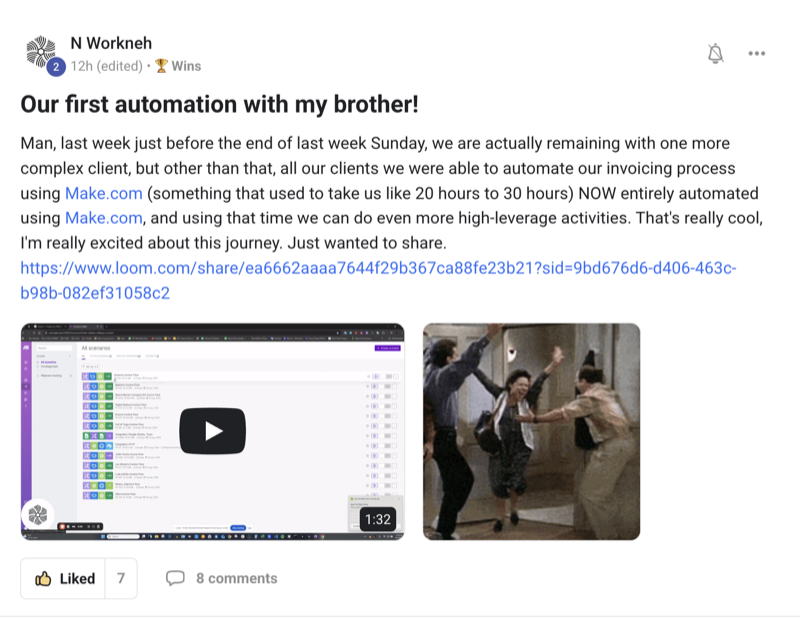
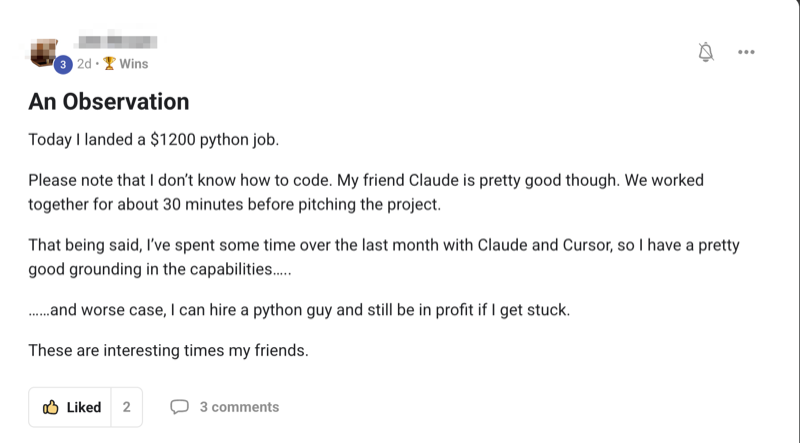
Real people. Real wins. Inside the Boardroom right now.
Here's what's already happening for members running Hermes inside the Agent Operating System — agency owners, ecom founders, course creators, solo operators. Different businesses. Same result: their agents finally feel like a team, not a row of lonely tabs.
Commit to transitioning today. Not tomorrow.
You've seen the wins. Real members. Real outcomes.
The next few minutes show you exactly how Hermes goes from a lone agent to a 10X powerhouse inside the Agent Operating System.
So here's the deal.
Promise yourself one thing right now: you'll finish this guide, and you'll plug Hermes into the Agent Operating System before you sleep tonight. Just one move. Because the moment you make the switch, every single agent you run gets better — Hermes, Claude, OpenClaw, Codex, Gemini, Ruflo, all of them. They stop being lonely tabs and start working as one team.
The people sitting still are about to get out-built by people running teams.
The people who act today are the ones who'll look back in six months and say "that's the day my whole workflow changed."
Be one of those people.
Commit to the transition. Commit to acting today. This changes how every single one of your agents works — for good.
Hermes alone vs Hermes inside the Agent Operating System
- Open Hermes in its own window — start from scratch every time, ~5 min wasted each session
- Re-explain your business, your voice, your customers — ~20% of every prompt wasted
- Hermes works alone — no Claude research, no OpenClaw long-runs, no Codex clean code, no Gemini docs, no Ruflo wiring
- Outputs live in one window — close it, lose it, $0 of what it built actually saved
- No live view of what's happening — you wait, you guess, ~zero visibility
- You hear about a new Hermes feature on X — wait days or weeks before you figure out how to use it
- Result: a great agent doing 1X work, all alone — same effort, much less output
- Open the Agent Operating System — Hermes already knows your business, ~0 min ramp-up
- Shared memory across Claude, OpenClaw, Codex, Gemini, Ruflo — every prompt grounded, 100% of tokens used on the actual job
- Hermes hands off to the right teammate for each part of the job — ~6 specialists, one orchestra
- Every output lands in the Workspace — saved forever, $0 lost work
- Live Swarm Map shows you exactly what Hermes is doing right now — full visibility, no guessing
- New Hermes powers show up in your dashboard the day they ship — daily updates, never behind
- Result: same Hermes, 10X the output — built, checked, saved, live
That's the whole point. Hermes IS great. So is your phone. But your phone gets 10X more useful the second it has contacts, calendar, photos and email all in one place. Hermes is the same. On its own — one tool. Inside the Agent Operating System — a team. The agent doesn't change. What it can do with the team around it does.
Every new Hermes power goes straight into the Agent Operating System inside the AI Profit Boardroom — the day it ships. You never fall behind. You just open your dashboard and it's already there.
The Goldie Hermes Powerhouse™
Five things change the second Hermes lives inside the Agent Operating System. Each one multiplies what it can do. Stack them together and you get 10X. Here's the powerhouse — and what each piece does for you.

Shared Memory — Hermes already knows you
Hermes reads from one shared memory with the rest of the team. So it opens already knowing your business, your customers, your voice and what you shipped yesterday. No re-explaining. Every prompt lands grounded.
The Team — six specialists, one orchestra
Hermes works next to Claude, OpenClaw, Codex, Gemini and Ruflo. The right agent picks up the right part of each job — so Hermes never gets stuck doing work another agent is better at.
The Swarm Map — see Hermes working live
You watch Hermes on a live map as it works — alongside the rest of the team. Every job, every handoff, every step. The magic stops being hidden behind a wall of text.
The Workspace — every output saved
Every page, plan, post and run Hermes builds lands in the Workspace. Click any item, see it right there. Replay any run. Nothing gets lost. Ever.
Daily Updates — never behind
The Agent Operating System ships daily. The day a new Hermes power lands, it's already in your dashboard. You never read about a feature on X and wonder how to use it.
Stack those five and you've got the Hermes Powerhouse. Same Hermes. 10X the output. One dashboard you control.
Hermes opens already knowing your business
Here's the first thing that turns Hermes into a 10X powerhouse: shared memory.
On its own, Hermes starts every chat from zero. You re-paste your business, your customers, your tone. About 20% of every prompt gets eaten up just bringing the agent up to speed. That's wasted work.
Inside the Agent Operating System, Hermes reads from one shared memory with Claude, OpenClaw, Codex, Gemini and Ruflo. So when you open it, it already knows who you are, what you sell, what your voice sounds like and what you shipped yesterday.
Try it like this: open Hermes inside the Agent Operating System and ask it to write a client email. It writes one in your voice, naming your real product, in 30 seconds. No setup. No re-explaining. That's the difference.
The 10 things you get from shared memory:
- Hermes already knows your business name and what you sell
- It already knows your customers and their pain points
- It already knows your voice — formal, casual, plain
- It already knows what you shipped this week
- It already knows what didn't work last month
- It already knows your offers and prices
- It already knows your team and roles
- It already knows your last 50 wins and losses
- It picks up where the last chat ended — never from scratch
- Every other agent in the system shares the same picture, so handoffs are clean
Why each one matters: every single one of those is a thing you would have had to type out at the top of every prompt. Now you don't. So every Hermes session starts at 100% — not at 80%.
It's not, because we already set it up for you. Inside the AI Profit Boardroom you get the Agent Operating System with the shared memory layer already wired in. You just drop in your business notes once. Hermes — and every other agent — reads from them from then on.
Hermes plus a team of specialists
The second multiplier: Hermes doesn't work alone anymore.
On its own, Hermes has to do every part of every job by itself. Research, write, build, test, polish. Even when another tool would do one piece better. That's how you end up at 1X.
Inside the Agent Operating System, Hermes is the orchestrator. It picks the best agent for each part of the job and hands off cleanly. The rest of the team:
The 10 things you get from the team around Hermes:
- Claude handles deep research and long thinking
- OpenClaw handles long-running multi-hour jobs and SEO swarms
- Codex handles clean code and refactors
- Gemini handles long docs, big PDFs and video understanding
- Ruflo wires the agents together and routes the right work to the right one
- Hermes orchestrates — pulls each agent in at the right moment
- One agent's output becomes the next agent's input — no copy-paste
- You don't pick who does what — the system picks for you
- If one agent gets stuck, another can pick up the same job
- You end up with a finished output, not five half-finished ones
Why each one matters: this is the difference between hiring one good freelancer and hiring a small agency. The freelancer is great. The agency is 10X great — because each person does what they're best at.
Only if there's no orchestrator. That's the whole point of the Agent Operating System — Hermes (and Ruflo behind it) routes the job. You don't manage five agents. You give one instruction. The team sorts it out behind the scenes.
Watch Hermes work — the Swarm Map
The third multiplier is the part people stop scrolling for.
On its own, Hermes is a wall of text. You hit go. You wait. You read. You hope it did the right thing.
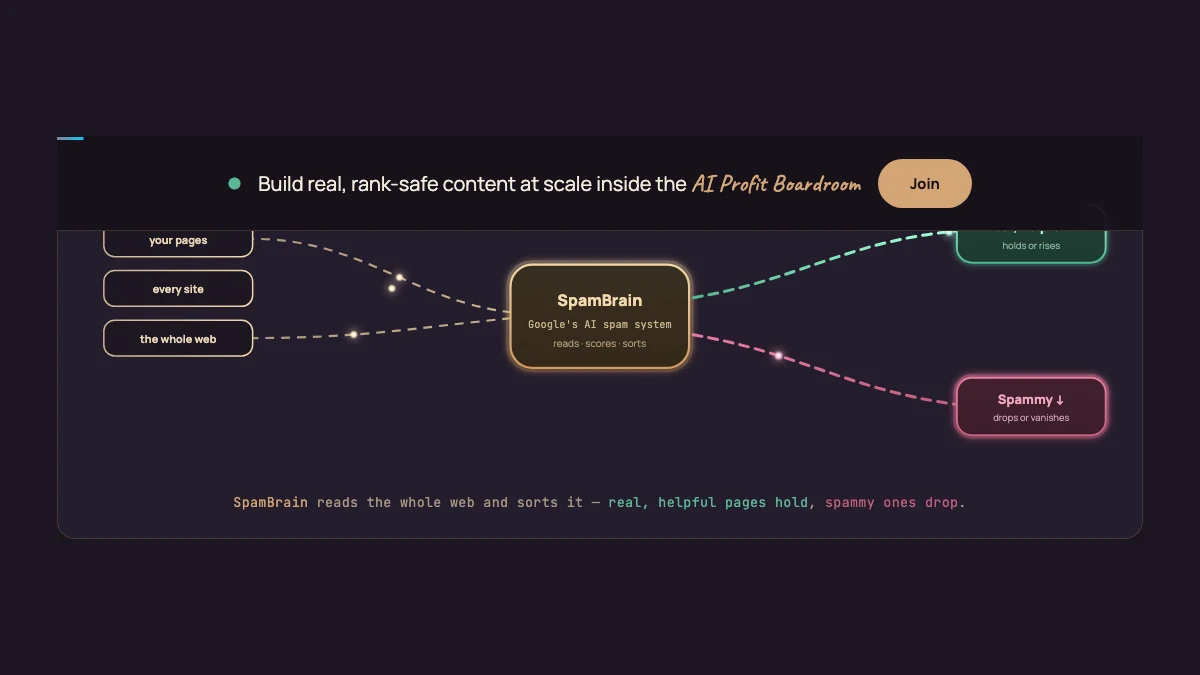
Inside the Agent Operating System, you get a live Swarm Map. Hermes sits in the middle as the conductor. Every other agent appears as a glowing dot around it. As Hermes hands off, the dots light up. As work finishes, ticks appear. You see your team working in real time.
Try it like this: ask Hermes to "build me a launch plan for my new product." Watch the map. You'll see Hermes call Claude for research, OpenClaw for the long-running content build, Codex for the landing page code, Gemini for the docs. Each one lights up. Each one settles when done.
The 10 things you get from the Swarm Map:
- See every agent that's currently working on your job
- See exactly which step each one is on
- See live counters — "6 agents working · 3 done"
- See handoffs as they happen
- See if one agent gets stuck — and which one
- See cost as it runs — no surprise spend
- See output land in the Workspace in real time
- Replay the whole run later to show a client
- Record the Swarm Map for proof of work
- Stop wondering — start watching
Why each one matters: trust. The thing that holds people back from running agents on big jobs is the fear they're working in the dark. The Swarm Map fixes that. You see Hermes work. You stop guessing.
You don't have to. The map is there if you want it. Most days I glance at it once. The point is you can see what's happening — not that you have to stare at it. It builds the trust that makes you comfortable kicking off bigger jobs.

Get the Agent Operating System
Everything you're seeing — Hermes wired in, shared memory across Claude, OpenClaw, Codex, Gemini and Ruflo, the live Swarm Map, the Workspace — is built into the Agent Operating System I run every day. It turns one good agent into a 10X powerhouse with one shared memory, so every agent already knows your business. And we update it daily — the new Hermes powers shipped today and they're already inside.
- The full Agent Operating System zip file + every prompt
- Hermes wired into the team — shared memory, set up step by step
- Daily updates — new Hermes powers added the day they ship
- Four live coaching calls every week
- A 30-day Agent Operating System roadmap + a member map to find builders near you
- 3,200+ members across 38 countries, someone online 24/7
Or read the 158-page testimonials doc first →
Every Hermes output, saved forever
The fourth multiplier is the one that quietly compounds over time.
On its own, Hermes builds great things — and then you close the window. Where did that landing page go? Where's the email it wrote last Tuesday? Lost. Gone. You start again.
Inside the Agent Operating System, every Hermes output lands in your Workspace. A clean place that holds everything: pages, plans, posts, code, docs, audits, calendars. Click any item and see it right there. Replay any run. Show any client.
Try it like this: ask Hermes to draft three landing page variations. They all land in the Workspace as their own items. A week later, you open it and they're still there — ready to pick from, ready to publish.
The 10 things you get from the Workspace:
- Every Hermes output saved automatically
- Every run replayable later
- Click any item to see it as it was built
- Show a client exactly how a job got done
- Pull last week's draft into this week's job
- Search across everything you ever built
- Tag and group by client or project
- Hand a finished folder to a teammate in one click
- Never lose work because you closed a tab
- Stack outputs over time — your library compounds
Why each one matters: most people lose 80% of what their agents build because they don't save it. The Workspace fixes that. Every Hermes run becomes part of a library that gets more valuable every week.
Not inside the Agent Operating System. The Workspace catches everything Hermes produces, every run, automatically. You open it next week and it's all sitting there waiting for you — ready to publish, ready to remix, ready to ship.
Every new Hermes power, added the day it ships
The fifth multiplier is the one that keeps the 10X compounding.
Hermes ships new features every week now. New tools. New skills. New ways of running long jobs. Most people read about them on X, save the post, and never actually wire them in. By the time they look again, two more features have dropped.
Inside the Agent Operating System, we add every new Hermes power for you — the day it ships. You open your dashboard the next morning. It's already there. Already wired into the team. Already in the Workspace.
Try it like this: Hermes ships a new feature on a Tuesday. Wednesday morning you open your dashboard and there's a new card: "Hermes — new ability added. Try it here." One click and you're using it.
The 10 things you get from daily updates:
- Every new Hermes feature added the day it ships
- Every new OpenClaw, Claude, Codex, Gemini and Ruflo feature too
- A "what's new" card in your dashboard every morning
- One-click try buttons for each new feature
- A short note from me on what each new feature is good for
- The shared memory updated with the new feature's notes
- The Swarm Map updated so the new agent shows up live
- The Workspace updated so outputs from the new feature save cleanly
- The coaching call covers it that week
- You never feel behind. Ever.
Why each one matters: in 2026, what you have is less important than how fast you adapt. Most people are six months behind. People inside the Agent Operating System are zero days behind. That gap turns into 10X over a year.
You could. But every day you wait is a day someone running the Agent Operating System has it already wired in, using it on real client work. By the time you finish reading the docs, they've shipped three projects with it. Compounding is brutal.
New Hermes powers drop every few days now. Inside the AI Profit Boardroom, we add them to the Agent Operating System for you — so you're always running the newest Hermes, not last month's setup.
Why Hermes is 10X stronger inside the Agent Operating System
You could run Hermes on its own. It still works. But here's why it gets ten times stronger the second it's inside the Agent Operating System — in plain words:
- Shared memory. Hermes opens already knowing your business, customers and voice — because the whole Agent Operating System reads from one shared brain. Every prompt starts at 100%.
- The team is right there. Claude, OpenClaw, Codex, Gemini and Ruflo all sit around Hermes inside the Agent Operating System. The best agent picks up each part of each job. One orchestra, not five solo acts.
- You can see it. The Swarm Map makes Hermes' work visible. The fear of "I don't know what the agent is doing" goes away. You watch the team work.
- Every output is saved. The Workspace keeps every Hermes run forever. Your library of outputs compounds week over week.
- It's always current. The Agent Operating System updates daily. The day a new Hermes power ships, it's already inside your dashboard. You never fall behind.
- One dashboard. Instead of five lonely tabs, one Agent Operating System. One login. One team.
"On its own, Hermes is a great agent. Inside the Agent Operating System, it's a 10X powerhouse — with a team, a memory, a map, a workspace and daily updates."
You can. A lot of members tried, including me. It took months and broke a lot. Or you can grab the Agent Operating System inside the AI Profit Boardroom that already does it — every wire run, every memory file, every prompt — and start using your 10X Hermes tonight. Same outcome. Much faster.
My honest take
If you're using Hermes for one-off questions, running it alone is fine. That's a tool job.
If you're using Hermes to build a business — content, code, launches, client work, products, agents — then running it alone is leaving 90% on the table. You want the team. You want the memory. You want the map and the Workspace.
And here's the thing worth sitting with: the people who learn to run agents as a team now, while the tools are this new, are going to be miles ahead when everyone else catches up. Every job you run on the Agent Operating System teaches you how to orchestrate. The skill compounds. The library compounds. The team compounds.
Most people will read about Hermes, run it alone, and wonder why they're not getting the results they see online. Don't be most people. Plug it into the team.
What you gained today
You stopped running Hermes alone. It's now part of a six-agent team inside the Agent Operating System.
You skip the re-explain. Shared memory means Hermes opens already knowing your business.
You can see the magic. The Swarm Map shows Hermes and the team working live.
You never lose work. The Workspace saves every Hermes output forever, ready to replay.
You stay current. Every new Hermes power gets added to your dashboard the day it ships.
You got 10X output from the same Hermes. Same agent. Same effort. Ten times the result inside the Agent Operating System.
Same Hermes. Ten times the output.
That's what happens inside the Agent Operating System.
Run the Hermes Powerhouse this week
Want your Hermes to actually save you time every day — not just be another agent you check now and then? Grab the Agent Operating System inside the AI Profit Boardroom. It turns Hermes, Claude, OpenClaw, Codex, Gemini and Ruflo into one team with shared memory and one dashboard you control. And we update it daily — the moment a new Hermes power ships, it's already inside. The latest ones came out today, and they're already added.
- I built the full Agent Operating System — you get the zip file
- Every prompt + the shared memory setup for Hermes
- Daily updates — newest Hermes powers, never last month's setup
- Coaching calls where we wire your Hermes Powerhouse together step by step
- A 30-day Agent Operating System roadmap + a member map to connect with builders near you
- 3,200+ members in 38 countries already running Hermes inside the team