Breaking · 26 June 2026 · OpenAI

GPT-5.6 is here — but not for everyone.

The US government asked OpenAI to stagger the release. GPT-5.6 ships to a few partners at a time — and the government approves access customer by customer. Here's exactly what happened, and what it means for you.

Reported 25–26 June 2026 · Axios, SiliconANGLE, Andrew Curran
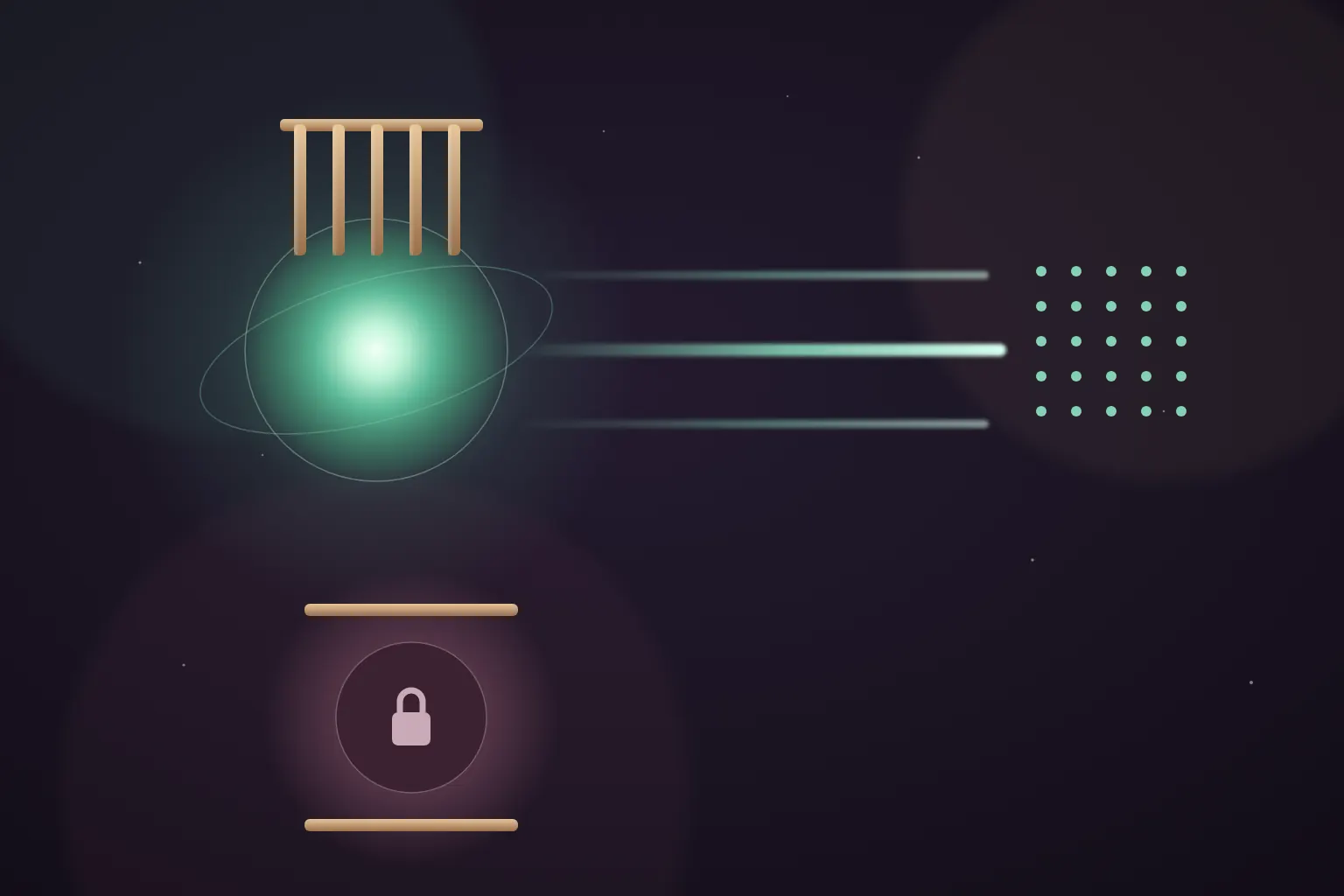
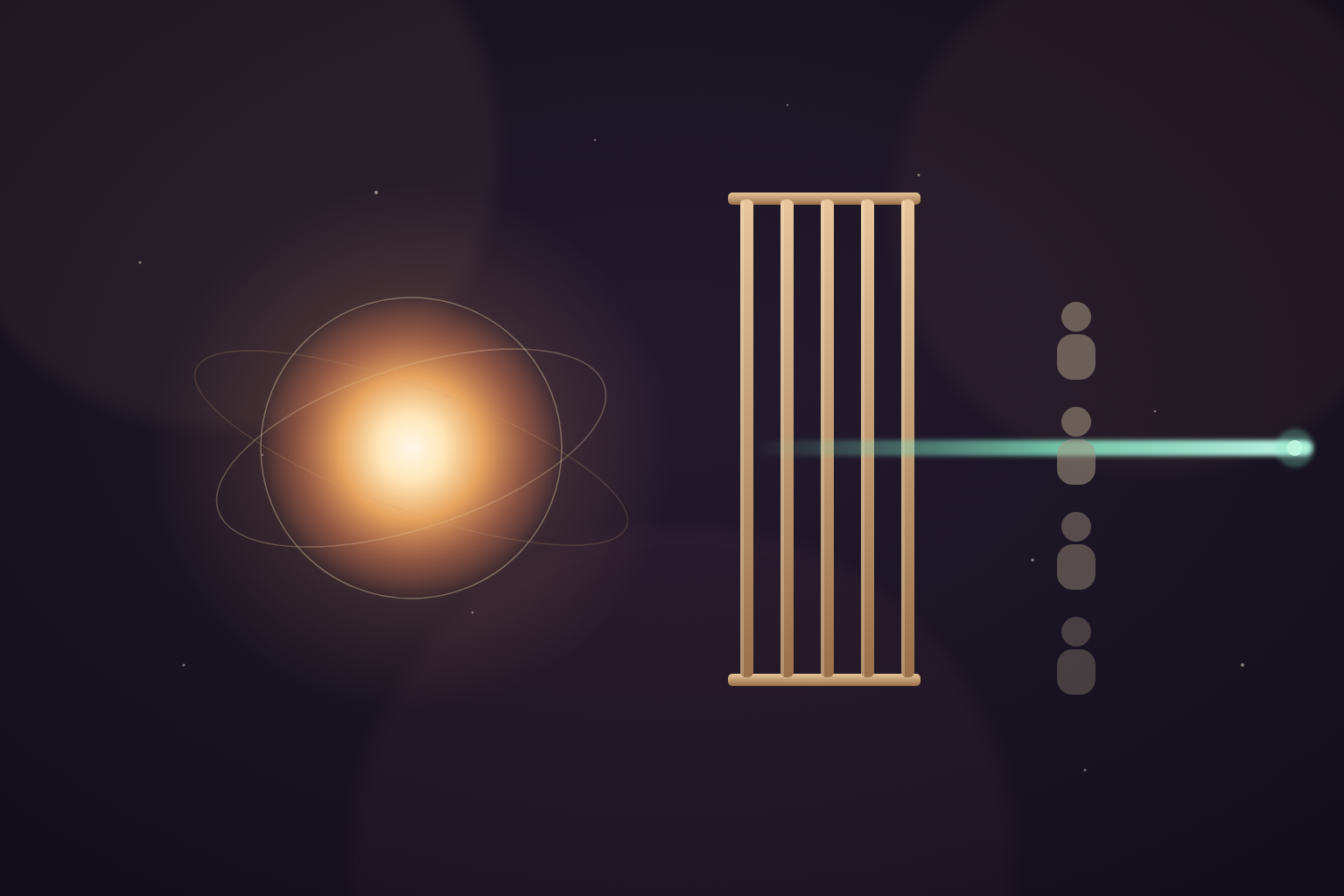
GPT-5.6 shown as a glowing model core held behind a gate, with one approved beam of light passing through to a single user while a queue waits
1customer approved at a time
2federal agencies vetting
~2 wksAltman's hoped-for wider release
Firstgated US frontier launch
Straight from the source

Read it yourself — every claim is sourced.

This isn't a rumour. It's been reported by Axios and SiliconANGLE, posted by well-connected AI reporters, and trended on X all day on 26 June. Here's where to read the primary coverage:

"The US Government has requested a slow staggered rollout of GPT-5.6, and OpenAI has agreed. During this phase the government will approve each user individually. This will probably be the norm for all frontier models from all labs from now on." — Andrew Curran (@AndrewCurran_), X, 25 June 2026
What just happened

OpenAI built GPT-5.6. Then it hit a gate.

On 25 June, the Trump administration asked OpenAI to slow down the GPT-5.6 launch over security concerns. OpenAI agreed.

So instead of a normal launch — where you wake up, open ChatGPT, and the new model is just there — GPT-5.6 is going out to a small group of enterprise partners first.

And here's the part nobody's seen before. During this preview, the government approves access one customer at a time. Not "enterprise tier gets it." Not "US accounts get it." Customer by customer, signed off individually.

the post that set the tone ↓

Sam Altman explained it to staff in a company Q&A on Wednesday. He said the government had asked for the staggered approach, and that — frustrating as it is — it was the fastest path to a broad release.

"[The government would be] approving access customer by customer during this preview period … [with a wider rollout hoped for] a couple of weeks later." — Sam Altman, internal OpenAI memo, reported by SiliconANGLE, 25 June 2026

Altman also made clear OpenAI isn't happy about it long-term. In the memo he said the company had told the government this "is not our preferred long term model," and that they'd work toward a more sustainable approach for future releases.

The request came from two federal offices: the Office of the National Cyber Director and the Office of Science and Technology Policy. It follows a 2 June executive order that set up a framework for "secure deployment" of frontier models — including a path for labs to give the government early access up to 30 days before a public release.

How a gated launch actually works
built → vetted → approved one customer at a time → wider release "a couple of weeks later"
GPT-5.6 built ready to ship Government check 2 federal offices vet it Approved 1-by-1 customer by customer Wider release "a couple weeks later"
Why this is a big deal

This is the first time a US model launch got a queue.

We're used to AI launches being instant and global. A new model drops, and within hours everyone's testing it. That's the rhythm the whole industry runs on.

GPT-5.6 breaks that rhythm. For the first time, a major US model is shipping behind a government-managed line. The reporters covering it think this isn't a one-off.

the news spread fast ↓

The bigger worry isn't this one launch — it's the precedent. If the government signs off on access "customer by customer" for GPT-5.6, that becomes the template. The next model. And the one after that. From every lab.

and the precedent worry landed ↓
Thinking it?
"This is just enterprise stuff. It doesn't affect me."
It affects the timeline you plan around. The old assumption — "the best model is one click away the day it launches" — just stopped being safe. If your work depends on same-day access to the newest model, you now have a dependency you don't control. That's true whether you're an enterprise or a solo operator.
The gate, by the numbers
all figures from Axios / SiliconANGLE reporting + Altman's staff memo, 25–26 June 2026
0customer approved at a time
0federal offices vetting access
0early-access window in the order
0Altman's hoped-for broad release
How we got here

Three weeks, one new rulebook.

This didn't come out of nowhere. It's the first real test of a framework the government set up earlier in the month.

The road to a gated launch
June 2026 · how long each step took to bite · longer bar = more days elapsed
2 Jun · the order
day 0
25 Jun · the ask
+23
25 Jun · agreed
same day
~mid-Jul · hoped wide
+2 wks

2 June: an executive order sets up a "secure deployment" framework for frontier models, with a voluntary 30-day early-access path for the government.

25 June: the Office of the National Cyber Director and the Office of Science and Technology Policy ask OpenAI to stagger GPT-5.6. OpenAI agrees the same day. Altman tells staff in a Q&A.

26 June: the news trends on X. Reporters call it the likely new normal for frontier launches.

~mid-July: Altman's hoped-for wider release — if the customer-by-customer review goes smoothly.

Not the first gated model

Anthropic's models got the harder version of this.

GPT-5.6's gate is actually the lighter one. Earlier in the year, the administration put tighter limits on Anthropic's frontier models — Mythos 5 and Fable 5 — including restrictions on foreign access, with Mythos pulled from some partners under export-control rules over its advanced cybersecurity abilities.

How gated each recent frontier model has been
qualitative, from the reporting — not a benchmark; longer bar = more access friction
Anthropic Mythos 5
pulled
Anthropic Fable 5
limited
OpenAI GPT-5.6
staggered
Older models
open

So the trend line is clear. A year ago, frontier models launched open to the world. Now the three newest US frontier launches have all shipped with some kind of gate — and GPT-5.6 is the first where the government signs off user by user.

Whether you think that's sensible safety policy or an overreach, one thing is true either way: "the newest model, instantly, for everyone" is no longer the default.

My story · why I stopped panicking about launches

I used to live and die by model access.

Before

Every launch, I'd scramble.

New model drops — I'd drop everything and try to get on it.

Half my workflows were wired to one specific model, so when access changed, my work broke.

I'd refresh the waitlist page. Check if my region had it yet. Beg for an invite.

My whole setup depended on something I didn't control.

Then I stopped building on the model — and started building on a system.

After

Now a gated launch like GPT-5.6 doesn't faze me.

My agents run on whatever model is reachable today — and I swap models in seconds.

When GPT-5.6 opens up, I plug it in. Until then, I run on what I've got.

The work keeps moving. The launch drama happens to other people.

You can build this way too. The gate stops mattering when the system is yours.

Who's telling you this

Why I track every launch like this.

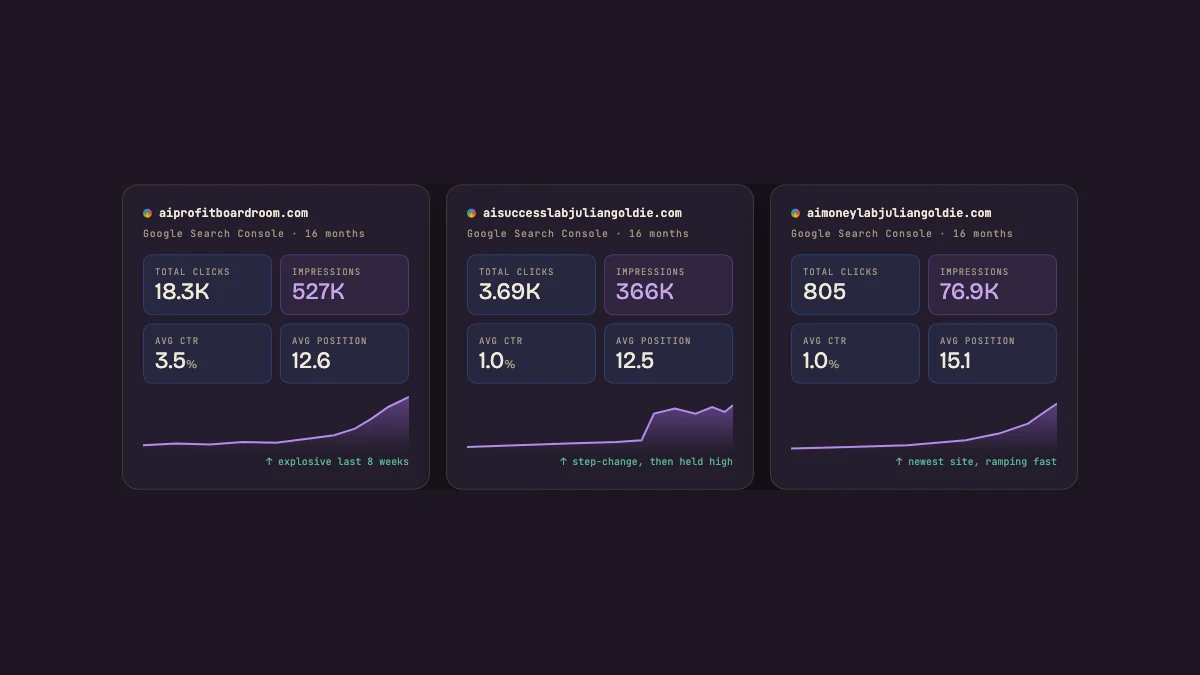
I run an AI-first SEO agency and teach thousands of operators how to wire AI into real businesses. When a launch changes the rules — like a government putting a queue in front of a model — I need to know what it means for the people building on this stuff every day. So I dig into the primary sources and report back plainly.

3,600+ founders inside AIPB
400k YouTube subscribers
38 countries · live members
163k X / Twitter followers

I'm not going to paste invented quotes here. The wins are real and written by the members themselves — agency owners, ecom founders, course creators, solo operators across 38 countries. Read them in their own words.

Read the 158-page wins doc →
Before you scroll on —

Commit to not depending on one model.

You've seen what just happened. A model got a government queue in front of it.

Here's the deal I want you to make with yourself today.

You're going to stop wiring your work to one specific model that someone else can gate, change, or pull.

Before you sleep tonight, you're going to look at your setup and ask one question: if my main model got gated tomorrow, would my work stop?

If the answer is yes, that's the thing to fix — and you can start fixing it today.

The people who get caught flat-footed are the ones betting everything on instant access. The people who stay calm built a system that doesn't care.

Be one of the calm ones.

Commit to building on a system, not a single model. Start today.

The shift this forces

The old way vs the new way.

A gated launch makes one habit dangerous and one habit smart. Here's the contrast.

The old way
1 model, fingers crossed
  • Wire every workflow to one specific model
  • Wait for launch day, hope your account gets access
  • Refresh the waitlist, check if your region's enabled
  • When access changes, your work breaks
  • One government memo can stall your whole pipeline
  • Result: you're at the mercy of someone else's gate
The new way
1 system, any model
  • Build your agents on a system, not a single model
  • Run on whatever model is reachable right now
  • Swap models in seconds when access changes
  • Plug GPT-5.6 in the day you actually get it
  • A gate on one model just routes you to another
  • Result: the work never stops, gate or no gate
The system that doesn't care who's gated

Want a setup that survives any launch?

Agent OS — Claude, OpenClaw and Hermes connected

The Agent Operating System inside the AI Profit Boardroom connects Claude, OpenClaw, and Hermes into one dashboard with shared memory. Your agents run on whatever model is reachable — and you swap models without rebuilding anything. A gated GPT-5.6 doesn't stop your work; it just slots in when you get it.

  • The full Agent OS zip — every prompt, the memory setup, the dashboard
  • Four live coaching calls a week with operators running this in production
  • Daily tutorials as launches like GPT-5.6 happen — what to do, plainly
  • A 30-day roadmap to set the whole system up step by step
  • A community of 3,600+ founders across 38 countries, online 24/7
  • A member map to connect with builders near you
Get the Agent OS →
Inside the AI Profit Boardroom · skool.com/ai-profit-lab
link in the description ↑
Three beliefs to drop

What this launch should change in your head.

Wrong: "The newest model is always one click away on launch day."

Right: Not anymore. GPT-5.6 ships behind a government-managed queue, approved customer by customer. Plan for access to be staggered, not instant.

Wrong: "Whoever has the best model wins."

Right: The model you can't access doesn't help you. The operator with a working system on a good-enough model beats the one waiting in line for the best one.

Wrong: "This is an enterprise problem, not mine."

Right: The precedent is everyone's. If customer-by-customer approval becomes the template, every future launch — from every lab — runs through a gate. The fix is the same for solo operators as for enterprises: don't depend on one model.

Don't take my word for it

158 pages of members who stopped chasing tools and built systems instead — real businesses, real wins, written in their own words.

Read the 158-page wins doc →
The lesson under the news

The model isn't the moat. The system is.

Step back from GPT-5.6 for a second. Strip away the politics. What this whole story really shows is something I've been saying for a while: betting everything on one model is fragile.

Models get gated. Models get pulled. Models change their pricing, their limits, their access rules — sometimes overnight, sometimes by government memo. If your work is welded to one of them, you're exposed every single time.

The thing that doesn't change is the system around the model. Your memory. Your prompts. Your agents. Your workflows. That's the part that compounds — and it works on whatever model you point it at.

Your system stays. The models swap underneath it.
one Agent OS · point it at whatever's reachable today · swap freely tomorrow
Your Agent OS memory · prompts · agents GPT-5.6 — when you get it Claude — today Gemini / Fusion — today A local model — no gate swap freely ↻

That's the whole idea behind the Agent OS. It's not "use this one model." It's "build the system once, and run it on whatever model you can reach." When GPT-5.6 finally opens its gate, you don't rebuild anything — you point your system at it and keep going.

The recap

What you now know.

i.
GPT-5.6 is gated

It ships to a few enterprise partners first — not everyone at once.

ii.
The government approves access

Customer by customer, signed off by two federal offices during the preview.

iii.
OpenAI agreed — reluctantly

Altman called it "not our preferred long term model," hoped for wider release in ~2 weeks.

iv.
It may be the new normal

Reporters expect customer-by-customer gating to become the template for frontier launches.

v.
Anthropic got it harder

Mythos 5 and Fable 5 faced tighter foreign-access limits earlier this year.

vi.
The fix is a system

Build on an Agent OS, run on any reachable model, swap freely. The gate stops mattering.

Models get gated. Models get pulled. The system around them is what's yours.

Build the system once

Stop betting your work on one model's gate.

Agent OS — Claude, OpenClaw and Hermes connected

GPT-5.6 today, something else gated next month — the access rules keep changing. What doesn't change is the system around the models. The Agent OS inside the AI Profit Boardroom turns Claude, OpenClaw, and Hermes into one dashboard with shared memory and goals, so every model you can reach just slots in and your work never stops.

  • The full Agent OS zip — every prompt, the Obsidian memory setup, the dashboard
  • Weekly coaching calls where we wire up new models together, step by step
  • Daily tutorials + a 30-day roadmap to build the whole thing
  • 3,600+ founders across 38 countries, someone online 24/7
  • The 158-page wins doc — read what members actually built
Get the Agent OS →
Inside the AI Profit Boardroom · skool.com/ai-profit-lab
I'll see you in the next one ↓