GPT-5.6: Sol vs Terra vs Luna — I built the same 3 things with all of them
OpenAI's new GPT-5.6 family has three tiers: Sol (the flagship), Terra (the everyday model) and Luna (the fast, cheap one). I pulled the official benchmarks together, then gave all three the exact same build prompts — a 3D game, a landing page and a dashboard — and screenshotted what came back. Here's what each tier is actually for.
3 tiers, one family1M token context each$1–$5 per 1M input9 real builds tested0 console errors
✦ ✦ ✦
1 · the family
What GPT-5.6 actually is
On July 9, 2026, OpenAI made GPT-5.6 generally available — not as one model, but as three. Same architecture, three sizes.
All three share the important specs: a 1 million token context window, 128K max output, and a February 2026 knowledge cutoff. What changes between them is size, speed and price:
Model
Position
Input / 1M
Output / 1M
API ID
☀️ Sol
Flagship — hard, multi-step agentic work
$5.00
$30.00
gpt-5.6-sol
🌍 Terra
The everyday production model
$2.50
$15.00
gpt-5.6-terra
🌙 Luna
High-volume, latency-sensitive work
$1.00
$6.00
gpt-5.6-luna
Sun, earth, moon — biggest to smallest. The naming does the explaining for once.
Two more launch details worth knowing: the release came after a short government-reviewed preview period (it went public two weeks after the first preview), and OpenAI announced a Cerebras-hardware option for Sol claiming up to 750 tokens per second for latency-critical enterprise work. The API also gained some genuinely new tricks with this family — programmatic tool orchestration in JavaScript, built-in multi-agent subprocesses, and explicit prompt-cache breakpoints.
✦
2 · the lab numbers
The benchmarks, side by side
Here's how the three tiers score on the public benchmarks, with the frontier competition included for scale.
Intelligence Index (Artificial Analysis)
The broadest single number — a composite across reasoning, coding, math and knowledge, measured at each model's max setting:
Artificial Analysis Intelligence Index — Sol 59 · Terra 55 · Luna 51 · (Claude Fable 5: 60)
Cost per task at those scores
The same benchmark run priced per task is where the family gets interesting:
Same benchmark, priced — Terra halves the bill, Luna cuts it 5×
Terminal-Bench 2.1 (agentic terminal work)
Command-line agent work — installing, debugging, running real terminal tasks. This is where the family flexes hardest against the competition:
Terminal-Bench 2.1 — the whole family lands above Claude Opus 4.8 (78.9) and Gemini 3.1 Pro
The agentic picture, honestly
Agents' Last Exam (long-running agent workflows): Sol scores 53.6 vs Claude Fable 5's 40.5 — and OpenAI claims Terra and Luna also beat Fable 5 at a fraction of the cost.
Coding Agent Index: Sol 80, Terra 77, Luna 75 — with Terra ~60% and Luna ~80% cheaper per task than Sol.
SWE-Bench Pro goes the other way: Claude Fable 5 leads at 80% vs Sol's 64.6%. OpenAI publicly disputed that benchmark's task quality, but the number is the number — on repository-scale bug fixing, Claude still holds the crown.
CTF cybersecurity: Sol hits 96.7%.
So the honest read: this family is built for agentic work — terminal tasks, long tool-using loops, orchestration. It leads there. On classic deep-repo software engineering, Claude's frontier models still edge it.
✦
3 · the sources
Where these numbers come from
Everything above is pulled from the launch coverage and the benchmark trackers — check them yourself:
Lab benchmarks are one thing. I wanted to see the difference with my own eyes — so I sent the exact same three prompts to gpt-5.6-sol, gpt-5.6-terra and gpt-5.6-luna through the API, one shot each, no retries, no edits.
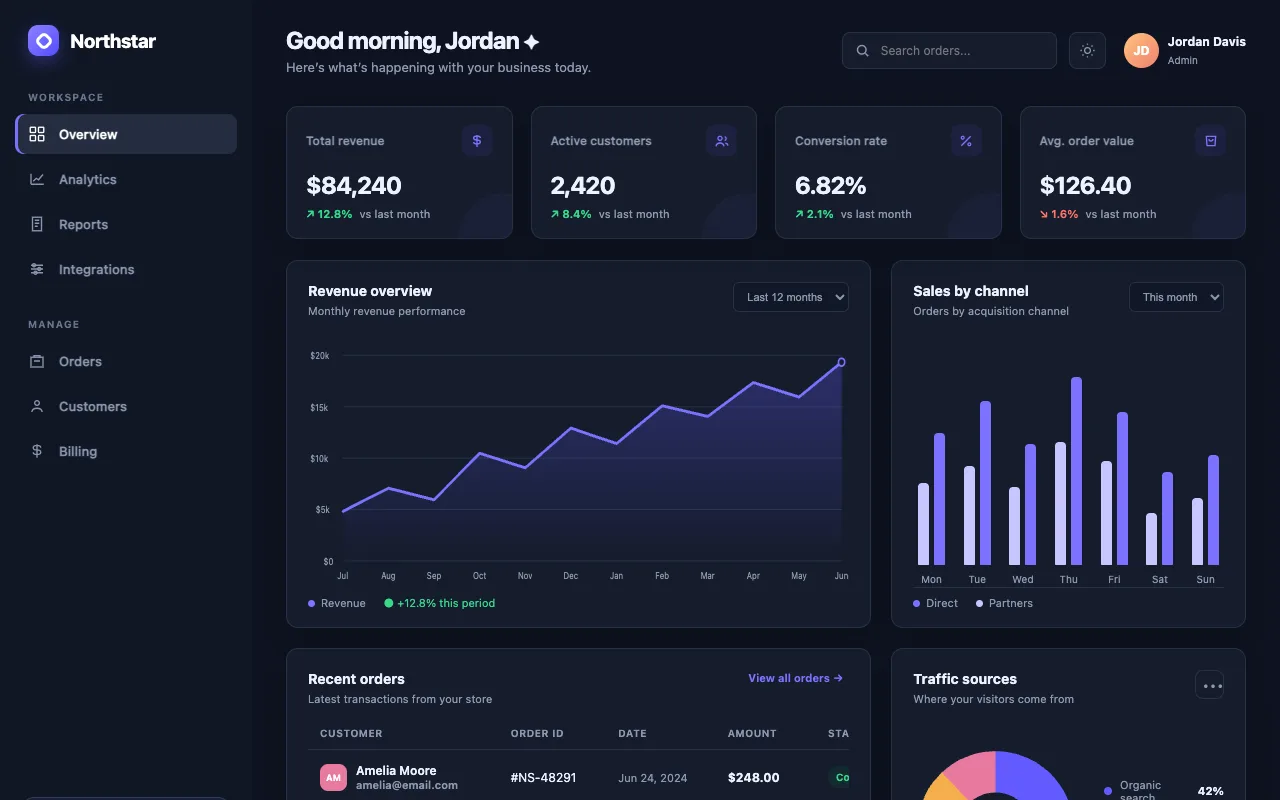
The three tasks: a 3D space shooter (three.js, single HTML file), a promo landing page for my community, and a SaaS analytics dashboard with hand-rolled charts. Nine builds total. Every single one loaded and ran with zero console errors — the whole family one-shots working code reliably, which itself would have been remarkable a year ago.
The raw numbers from my runs
Measure (3 builds each)
☀️ Sol
🌍 Terra
🌙 Luna
Total build time
6m 0s
2m 31s
1m 37s
Total cost
$1.18
$0.43
$0.12
Code written
121 KB
90 KB
55 KB
Measured throughput
~109 tok/s
~192 tok/s
~198 tok/s
Builds that ran error-free
3/3
3/3
3/3
Same prompts, real API bills — the tier gap is exactly what the pricing table promises
Build 1: the 3D space shooter
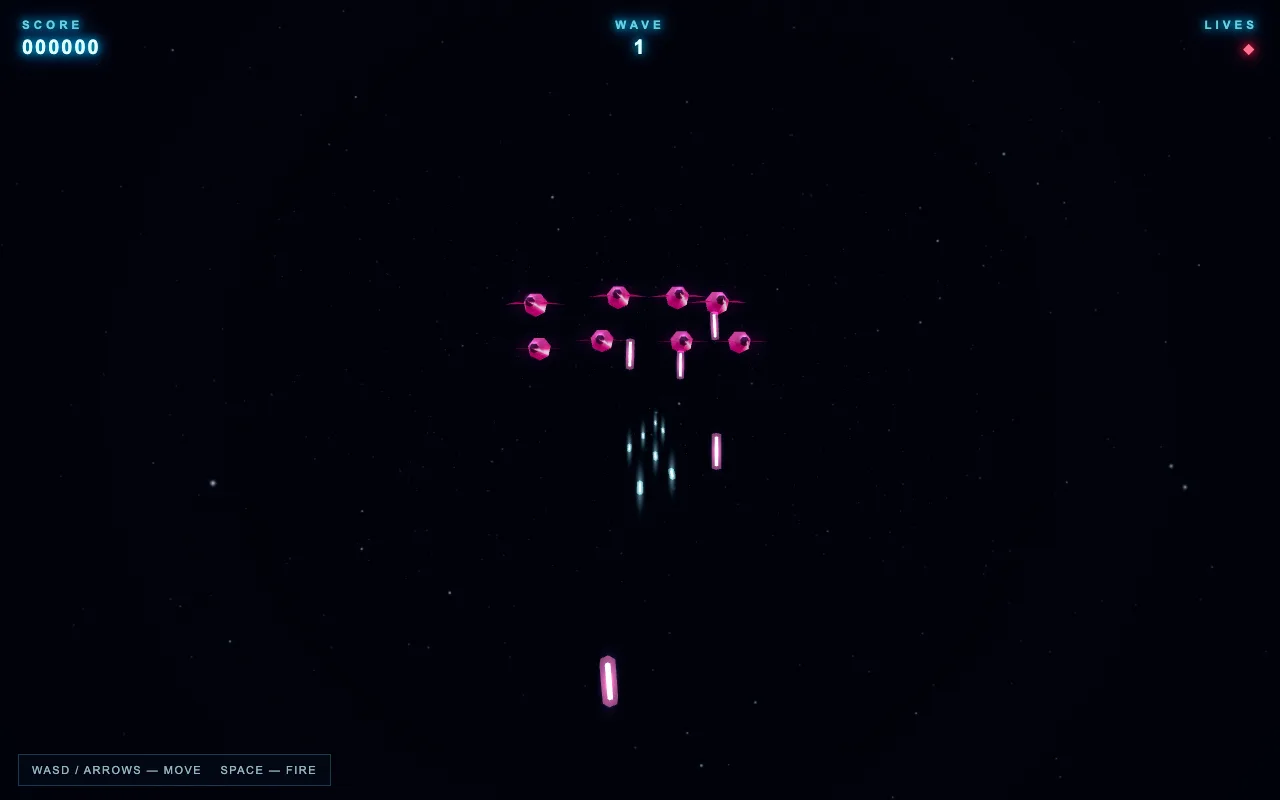
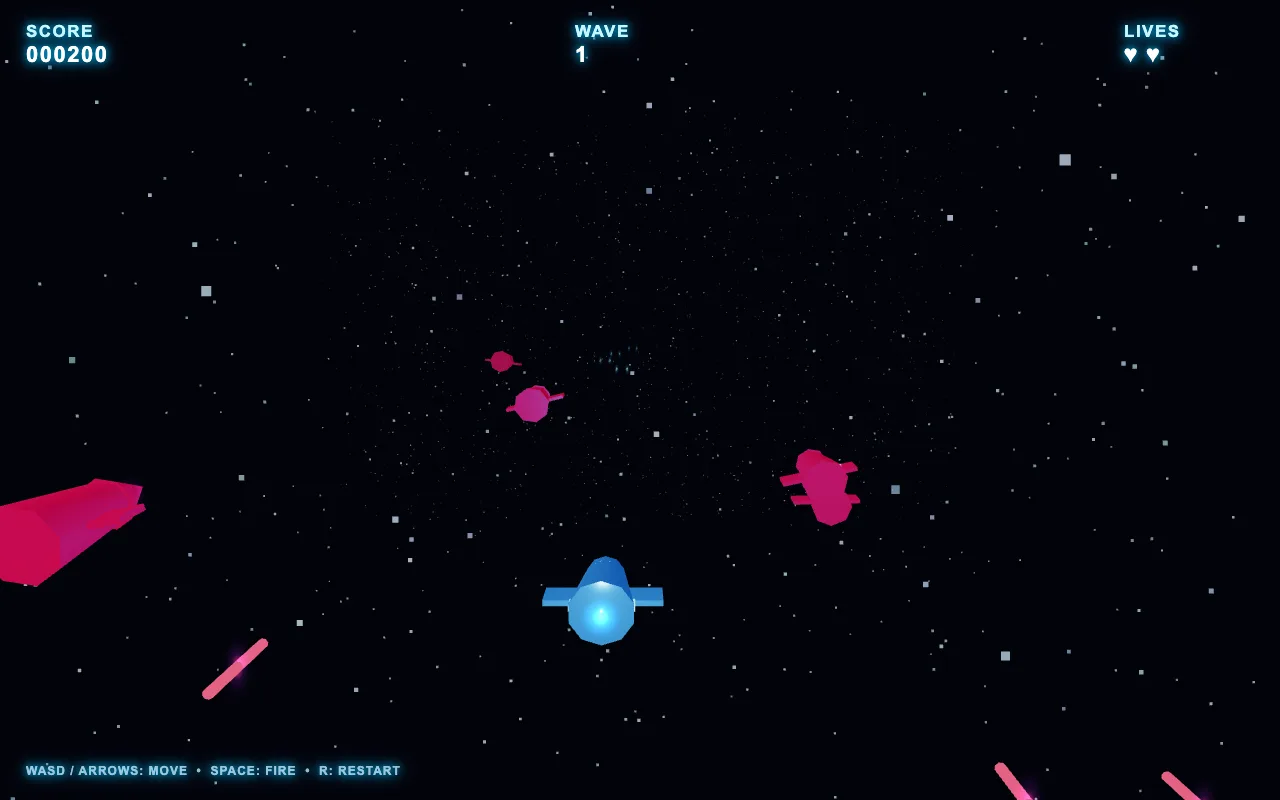
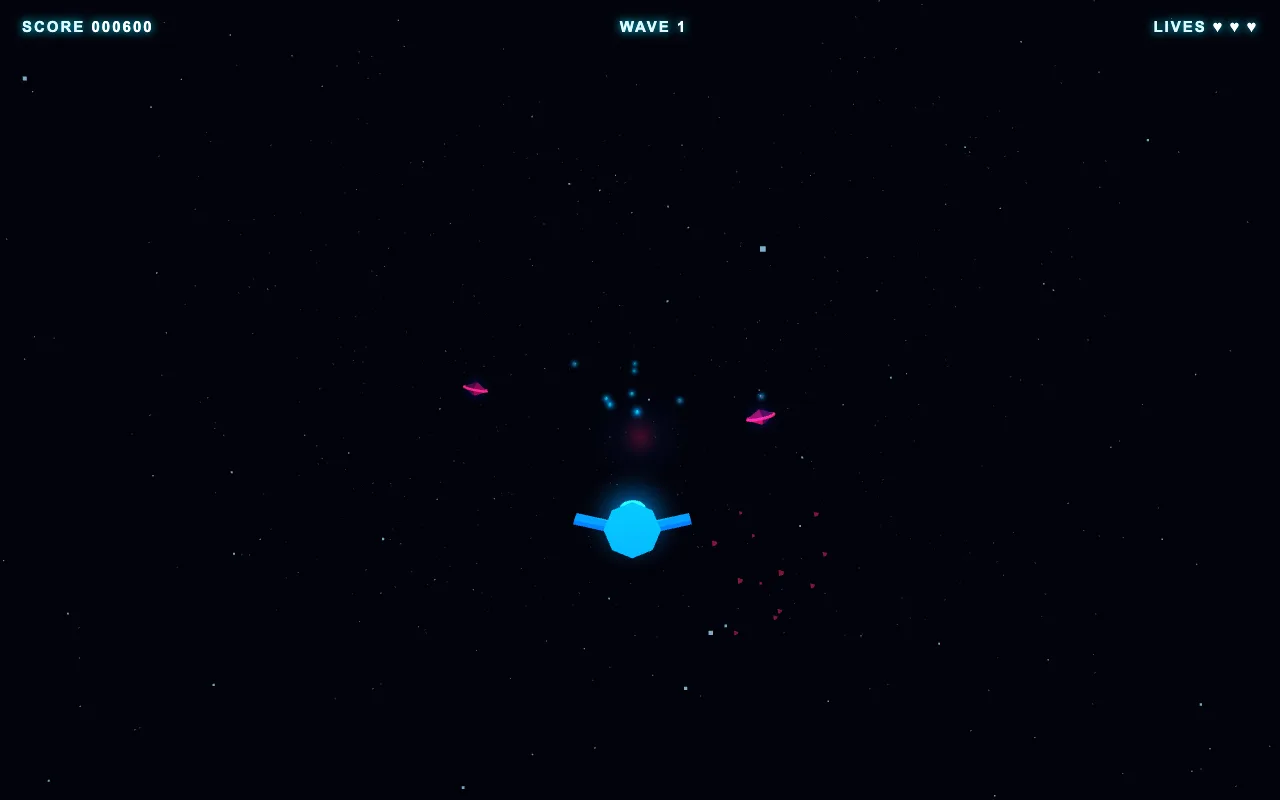
Hardest task of the three — a complete three.js game in one file. All three shipped a playable game. I played each one before writing a word of this.
What I actually saw playing them: Sol built the most game — Galaga-style enemy ranks, enemy return fire, a proper game-over screen with restart flow, and honestly the hardest difficulty (it killed me in eight seconds flat on my first run). Terra's is a solid, complete shooter with chunkier ship models and fair difficulty. Luna's is the simplest — smaller ships, lighter effects — but it runs clean and plays fine. The tier order is visible in exactly the way you'd expect: depth of mechanics, not correctness.
Build 2: the landing page
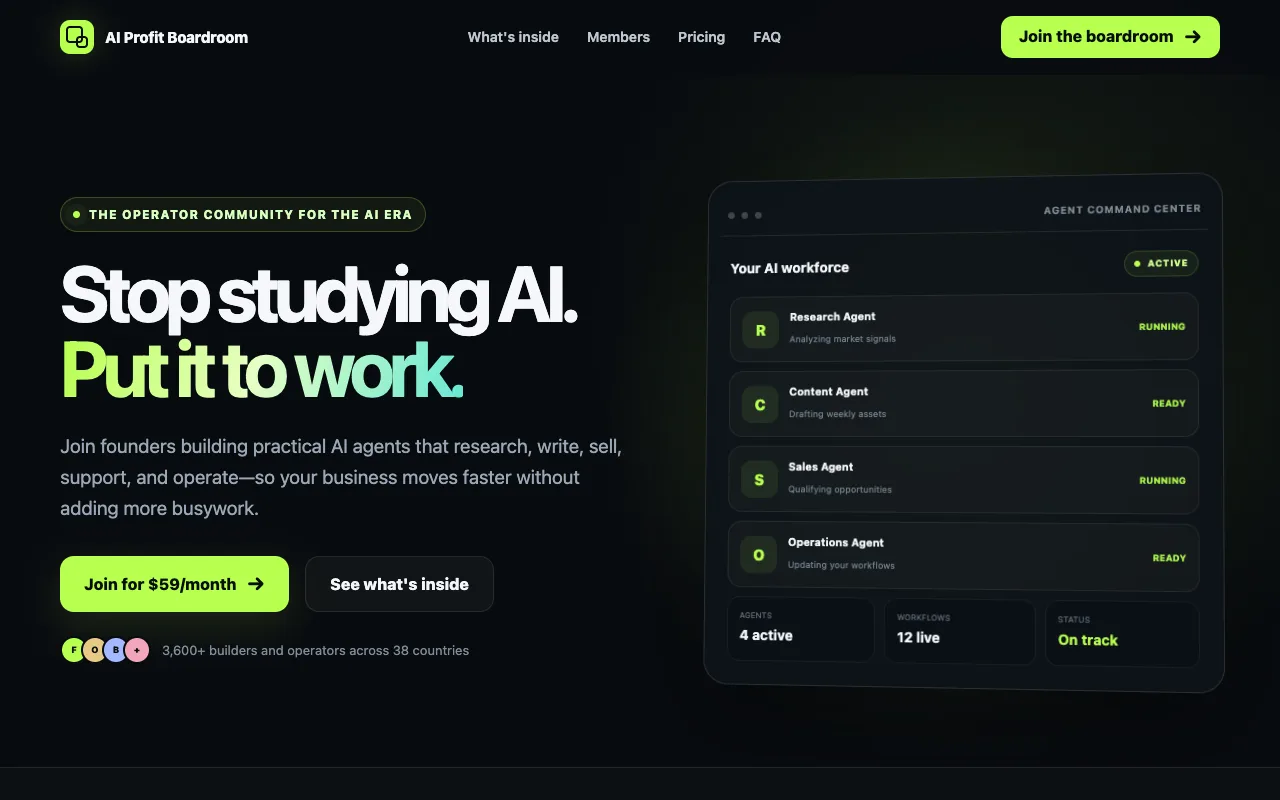
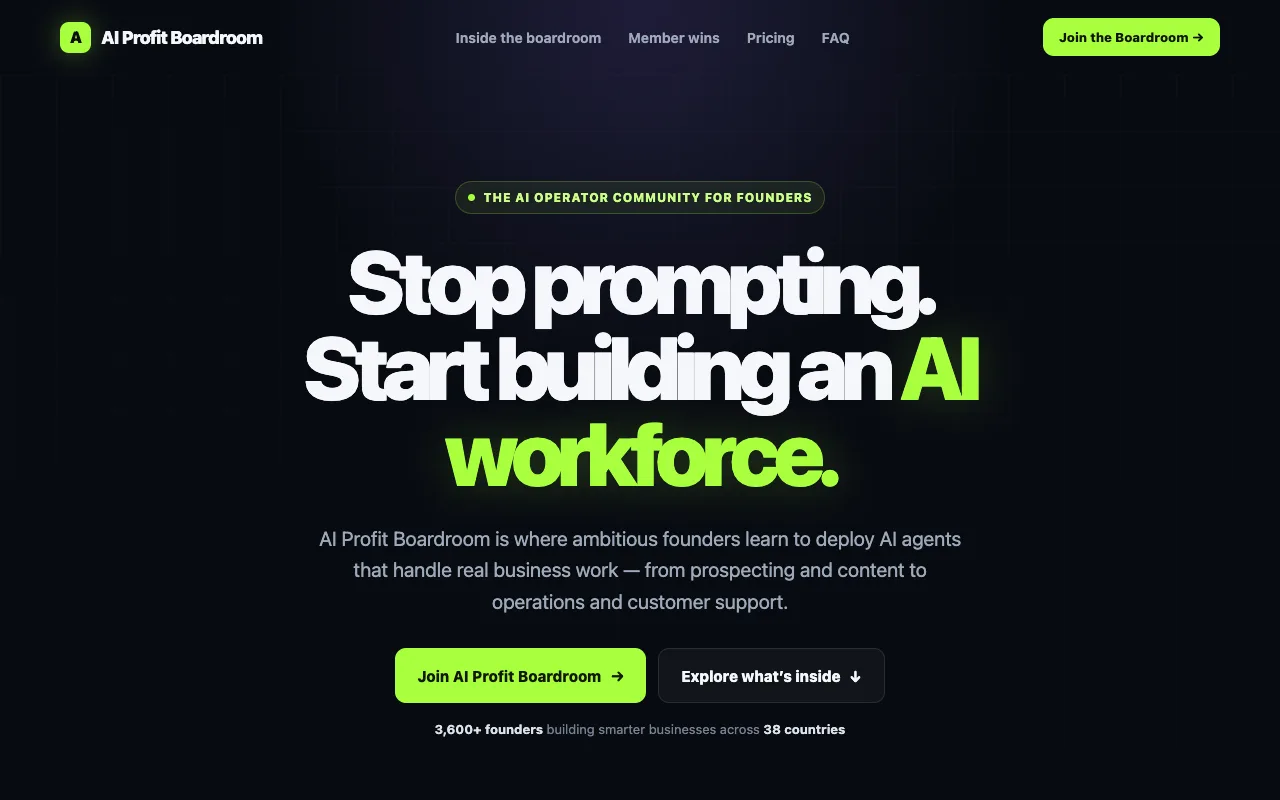
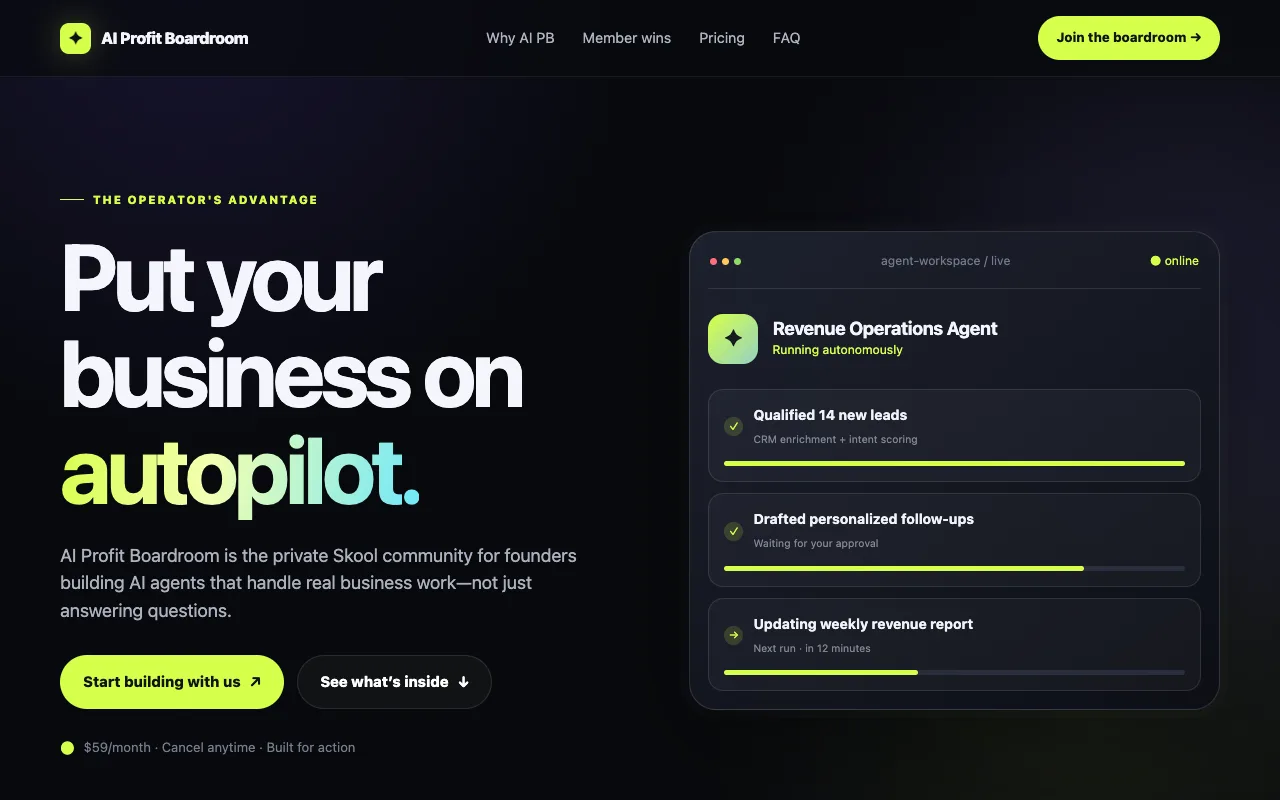
A promo page for my community, same brief to all three. This one surprised me:
What I actually saw: all three produced pages I'd genuinely ship. Sol and Luna both invented an "agent workspace" product mockup in the hero — Luna's is arguably as convincing as Sol's, at a tenth of the cost. Terra went type-led with a massive headline. If you showed me these blind and asked which came from the $30 model and which from the $6 one, I'm not confident I'd get it right. For marketing pages, the cheap tier is simply enough.
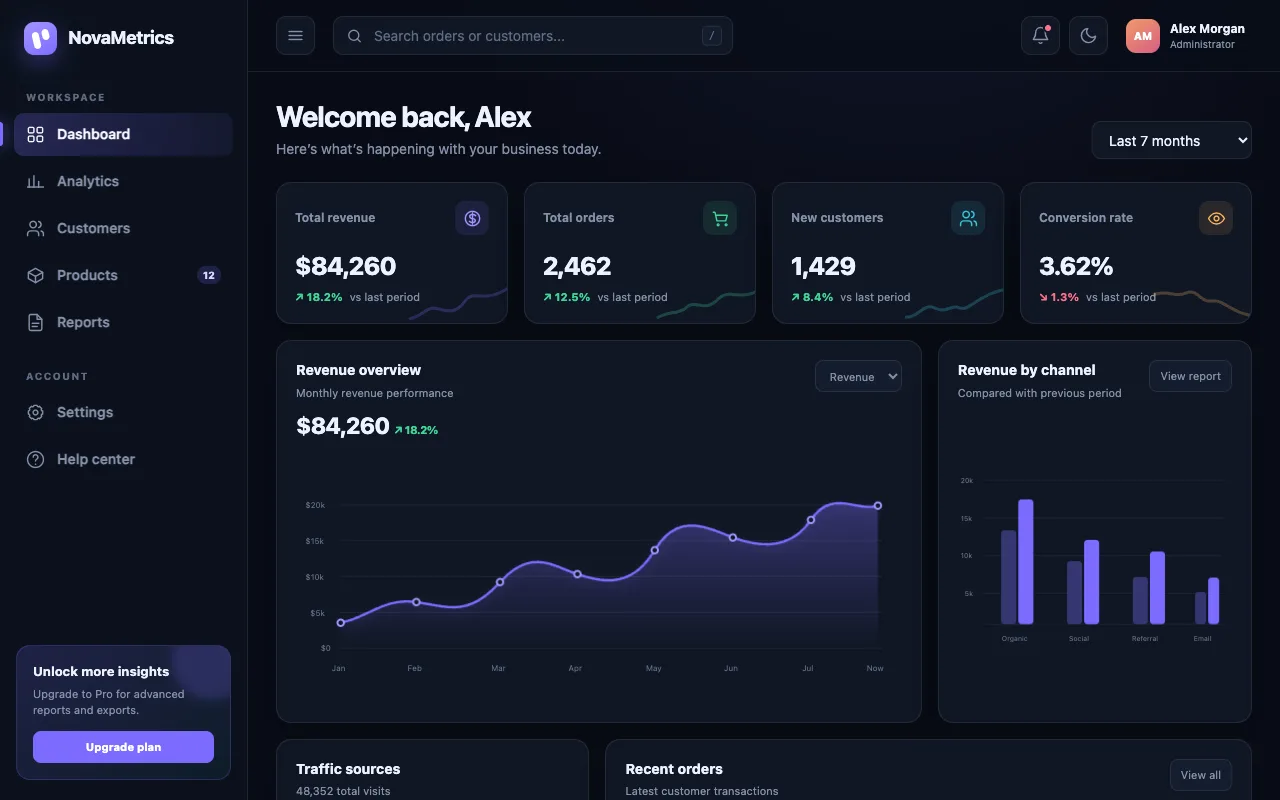
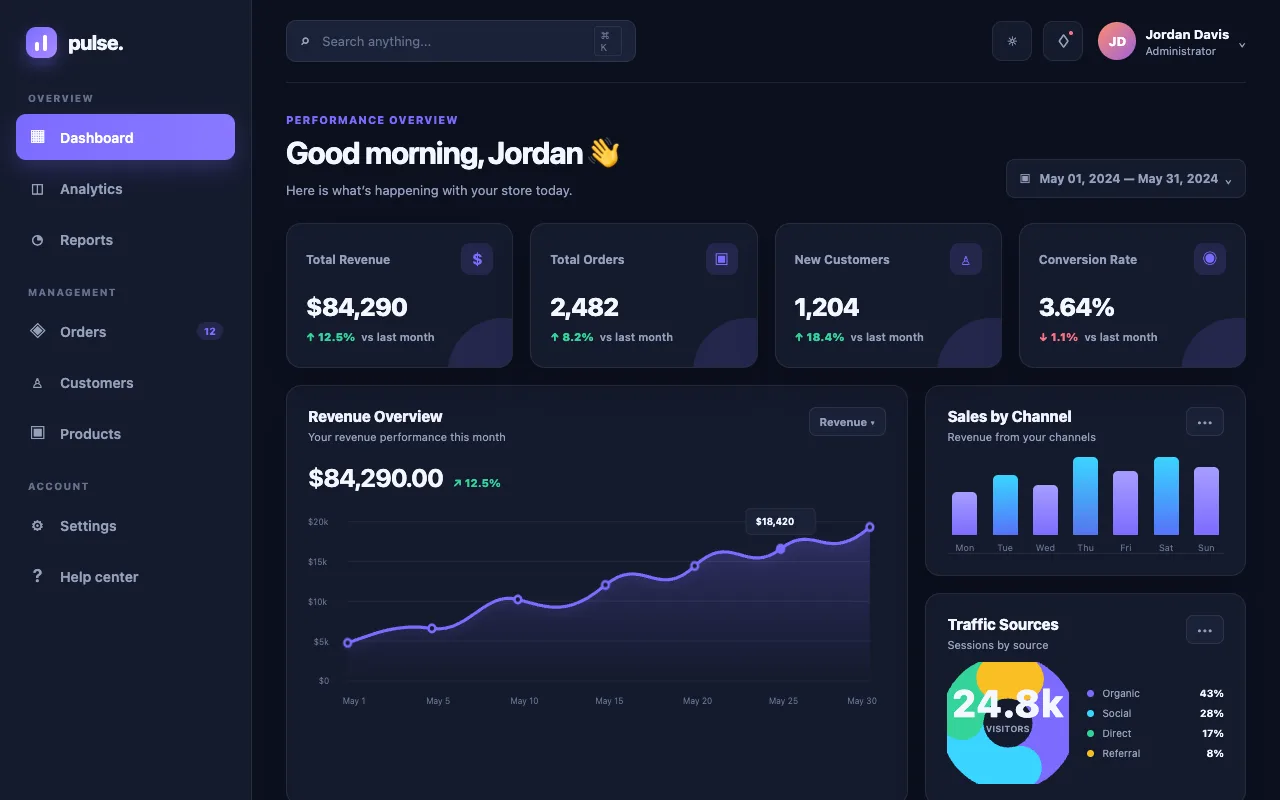
What I actually saw: three complete, working dashboards. Terra's might be the prettiest of the lot — gradient donut chart, a tooltip pinned to the revenue line. Luna's 21KB build has everything the brief asked for including the working theme toggle. Sol's is the most feature-dense (search shortcut hints, an upsell card, badge counts). Again: the difference is density and detail, never "works vs broken".
"So is Sol just a waste of money?"
No — you're paying for depth, not correctness. On the game (the hardest task), Sol built meaningfully more: smarter enemies, a full game-over flow, tuned difficulty. That gap grows with task complexity. On a long agentic session — refactor, run tests, fix, repeat — the benchmarks say the gap gets bigger still. Sol earns its price on the hard 20%. It's just overkill for the other 80%.
✦
5 · before and after
What changes when you route by tier
HOW MOST PEOPLE USE MODELSOne model for everything
Flagship model for every request, big or small
Summaries and drafts billed at frontier prices
Slow responses on tasks that needed none of that depth
Bill scales with usage, not with difficulty
"Which model?" decided once, then never again
WITH THE THREE-TIER ENGINE™Right tier, right job
Luna on volume work — 10× cheaper, twice as fast
Terra as the daily driver — near-Sol output on web work
Sol reserved for the hard agentic 20%
Bill scales with difficulty, exactly as it should
Switching is one word — the API IDs differ by suffix
✦
6 · before you pick
Three doubts you might have
"The cheap tier will produce broken junk."
Luna went 3-for-3 on my builds with zero console errors — including a working three.js game and a dashboard with a functioning theme toggle. The floor on this family is high. What you give up going down-tier is depth and detail, not whether the thing works.
"I should just wait and use whatever's in ChatGPT."
The tiers matter most through the API and coding tools, where you pick the model per task and pay per token. If you build anything — agents, content pipelines, apps — tier routing is the difference between a $12 month and a $120 month for the same output. That's worth twenty minutes of understanding now.
"Benchmarks are marketing — they never match real use."
Partly true, which is why I ran my own builds instead of republishing charts. My results matched the lab story almost exactly: the intelligence gap is real but small, the cost gap is huge, and the tiers separate on hard tasks while converging on easy ones. And where a benchmark cuts against the family — like Claude leading SWE-Bench Pro — it's in this guide too.
✦ ✦ ✦
7 · the system
The Three-Tier Engine™: how I route between them
Four rules. This is the whole system I now use for the GPT-5.6 family.
i.
Luna for volume
Summaries, extraction, classification, quick drafts, high-frequency agent steps. Anything you run hundreds of times. It's ~200 tok/s and $6/M out — volume work belongs here.
ii.
Terra as the default
The daily driver. Scoped coding, content, everyday agent runs. On my web builds it was ~90% of Sol's output at 36% of the cost — that trade wins most days.
iii.
Sol for the hard 20%
Long agentic sessions, multi-file refactors, anything where it must persist across steps, tests and fixes. The depth gap is real — pay for it when the task needs it.
iv.
Escalate on failure
Start one tier lower than you think. If the output falls short, re-run one tier up. Even with a Luna miss + Terra retry, you usually spend less than defaulting to Sol.
✦
8 · use cases
What to use each one for
☀️ Sol — $5 / $30 per 1M tokens
Long-running coding agents that plan, edit, test and fix across many files
Complex refactors and migrations where one missed detail breaks everything
Agent orchestration — it leads Agents' Last Exam and Terminal-Bench
Security review and CTF-style analysis (96.7% on CTF benchmarks)
The final-quality pass on work a cheaper tier drafted
Latency-sensitive apps — fastest tier, ~200 tok/s in my runs
Quick prototypes and internal tools (its dashboard was complete at 21KB)
The cheap first attempt in an escalate-on-failure loop
Batch jobs where 10× cheaper than Sol compounds fast
"And when should I NOT use this family at all?"
Deep repository-scale software engineering is still Claude territory — Fable 5 leads SWE-Bench Pro by a wide margin (80% vs 64.6%). My own stack reflects that: Claude models for the deep coding work, and tier-routed GPT-5.6 where agentic speed, volume and cost matter. Use both where each wins.
✦ ✦ ✦
The Three-Tier Engine™ — applied inside
Want this wired into a real system?
This guide tells you which tier to pick. Inside the AI Profit Boardroom, the picking is built into the Agent OS — model routing, agents on kanban boards, content pipelines — plus live calls with people running these models on real business work.
The complete Agent OS — every model and tool in one dashboard
Model-routing playbooks — the exact right-tier-per-job rules
Free + local engines — run everyday work at $0
Agent Kanban — agents that keep working while you sleep
5 live coaching calls a week — get unblocked on your exact setup
1,000+ prebuilt agents — ready to run and customise
New-model briefings — tested takes like this one, as models drop
3,900+ members in 38 countries — someone's online when you're stuck
The Boardroom is 3,900+ founders and operators — agency owners, ecom founders, course creators — putting models like these to work in real businesses. So far, 258 wins have been documented across 38 countries.
3,900+ members inside AIPB
258 documented wins
38 countries
400K YouTube subscribers
163K X followers
29K+ Udemy students
Members post their wins as they happen — cost savings, first agents shipped, client work automated. They're all collected in one doc you can read right now.
Sol, Terra, Luna share a 1M context and a February 2026 cutoff. Price spread: 5× between top and bottom.
ii.
The gap is depth, not correctness
All 9 of my one-shot builds worked. Sol writes 2–3× more code and shines on hard agentic work; Luna is 10× cheaper and 4× faster.
iii.
Agentic leader, not SWE king
The family tops Terminal-Bench and Agents' Last Exam, but Claude Fable 5 still leads deep software engineering on SWE-Bench Pro.
iv.
Route, don't default
Luna for volume, Terra as default, Sol for the hard 20%, escalate on failure. Your bill tracks difficulty instead of habit.
✦ ✦ ✦
One more thing
New models drop every month. The system is what lasts.
GPT-5.6 today, something else next month. What doesn't change is the operating system around the models — the routing rules, the agents, the pipelines that turn "a smart model" into finished business work.
That's what we build inside the Boardroom. 3,900+ people are already in, five live calls a week, and every new model gets tested and wired in like this one was.
The AI Profit Boardroom is where the actual Agent OS lives — the templates, the prompts, the daily rooms, the weekly walkthroughs. Same builds you read about here, taught hands-on inside.