DeepSeek V4 Flash just went live — and it's built for agents.
DeepSeek just dropped a major upgrade to V4 Flash, and it makes your AI agents seriously more powerful.
DeepSeek say the new benchmark scores far surpass their previous top preview model — from the small, fast, cheap tier.
That means your agents get to think across a million tokens of context, run longer coding loops, and finish more work before you ever touch the keyboard.
It's tuned for exactly the way modern coding agents work, so it slots straight into the tools you already use.
Today I'll show you what changed, what builders are saying about it, how I wired it into my own Agent OS in minutes, and I'm running it through my benchmark live.
Stick with me — the last part is where it gets interesting. Let's get into it.
Here's the announcement in one breath.
DeepSeek-V4-Flash — the small, fast, cheap tier — is now live in public beta on their official API.
DeepSeek call it a massive upgrade to agent capabilities, with benchmark scores that now far surpass their previous V4-Pro-Preview.
It natively supports the Responses API format and is fully adapted for Codex-style coding loops.
And here's the detail most people will skim past: the new build, V4-Flash-0731, uses the exact same architecture and size as the preview.
Nothing got bigger. It just got better at being an agent.
0731the new Flash build
1Mtoken context window
samearchitecture and size as preview
50/50complete builds on my bench
II ────── What actually changed
Same model. Much better agent.
This is the part worth slowing down for, because it's the whole story.
Normally when a model gets better, it gets bigger. More parameters, more hardware, higher price.
Not here. DeepSeek were explicit: V4-Flash-0731 uses the exact same model architecture and size as the preview.
The upgrade is in the training, not the size.
Same speed. Same tier. Sharper agent.
And what they trained it for is exactly what you and I do all day:
Agent capability. DeepSeek say the benchmark scores now far surpass their own previous V4-Pro-Preview — the bigger, stronger tier. The small model catching the big one is the headline.
Native Responses API support. That's the format modern agent tools speak. It means fewer adapters, fewer translation layers, fewer weird failures in the middle of a long run.
Fully adapted for Codex. Tuned for the iterative write-run-fix loop that coding agents actually do — not one-shot question answering.
Two things to keep straight, because DeepSeek flagged them:
this upgrade applies only to the V4-Flash API for now — the V4-Pro API and the app and web versions are unchanged.
And the official V4-Pro release is coming.
Nothing got bigger. The same small, fast tier just got taught to be a better agent.
The announcement, straight from DeepSeek →
🚀 DeepSeek-V4-Flash Official API is now LIVE in public beta! Massive upgrade to Agent capabilities — benchmark scores now far surpass the previous V4-Pro-Preview. Natively supports the Responses API format. Fully adapted for Codex.
— DeepSeek (@deepseek_ai)
"If the small model beats the big one, why would anyone use the big one?"
DeepSeek are comparing against the V4-Pro preview — and they've said the official V4-Pro release is coming.
The honest read: the cheap tier just became genuinely good at agent work, and the strong tier is about to be re-based on top of it.
That's a great problem to have.
✦
III ────── The reaction
What builders are saying — as it landed.
This is hours old. Here's the live conversation around it.
Native support for the Responses API format and full optimization for Codex-style coding/tool-use loops. This makes it especially strong for iterative agent tasks.
— kalilkalilkai (@kalilkalilkai)
The release is generating a lot of buzz on X, with people highlighting the insane price/performance ratio and its potential for local/open-source inference projects.
— EYkii (@EYkii)
DeepSeek-V4-Flash-0731 uses the exact same model architecture and size as the preview. This upgrade applies only to the DeepSeek-V4-Flash API for now. The DeepSeek-V4-Pro API and the App/Web versions remain unchanged. Official DeepSeek-V4-Pro release is coming ASAP.
— DeepSeek (@deepseek_ai)
Pulled live from X, hours after launch — tap any card to open the original post. This one is fresh enough that the conversation is still forming.
✦
IV ────── Wired into the Agent OS
I added it to my Agent OS the hour it launched.
Here's the part I like about running an operating system instead of chasing tools: a launch like this is a config change, not a rebuild.
Three places it went in, and each took minutes:
1 — As a Hermes profile. A deepseek profile pointed at V4, so my agent can think with it directly. One command to use it:
hermes -p deepseek
Smoke-tested end to end the moment it was created — it answered on the first try.
2 — In the coding-agent dropdown. My OS has an OpenCode tab where I type a prompt and a build streams out into a workspace gallery. DeepSeek V4 Flash 0731 and V4 Pro now sit in that model list, straight off the official API, next to every other engine.
3 — On the benchmark. Which is where this gets interesting, and where I found something worth telling you about.
A launch day inside an operating system: add the engine in three places, keep everything else exactly as it was.
✦
V ────── The trap nobody mentions
Make sure you're actually running the new one.
This is the most useful thing in this whole guide, and it applies to every model launch, not just this one.
When I went to benchmark the new Flash, I checked where I'd be getting it from — and found the trap.
The router and marketplace entries for DeepSeek V4 Flash are undated. They're just called "v4-flash".
Ask one which build it's serving and it tells you its own slug back. It can't tell you whether it's the new 0731 build or the older preview.
And DeepSeek said this upgrade applies to their API for now — so a third-party route may well still be serving yesterday's model under today's name.
Which matters enormously, because the whole point of this release is that the name didn't change but the model did.
Same architecture. Same size. Same label. Different behaviour.
The rule: on launch day, go to the source. Use the provider's own API, confirm the model shows up in their official model list, and only then judge it.
Anything else and you're forming an opinion about a model you might not be running.
That's exactly what I did before benchmarking — which is why the numbers on this page are worth something.
On a launch where the name didn't change but the model did, the route you test on decides whether your verdict means anything.
"Does it really matter if I'm one build behind?"
On most launches, barely. On this one, entirely — because the improvement IS the new build. Same size, same name, better agent.
If you're testing the preview and calling it the 0731, you'll conclude the update was hype. It isn't; you're just not running it.
✦
VI ────── On the benchmark
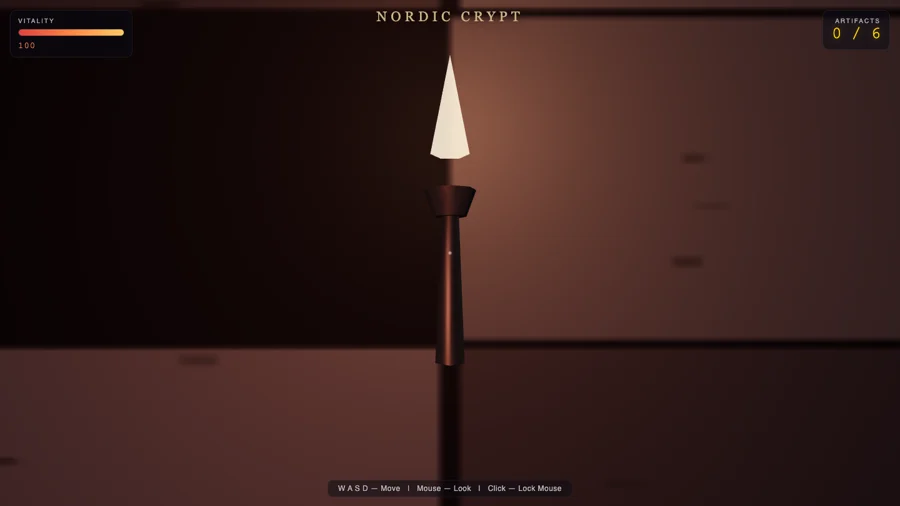
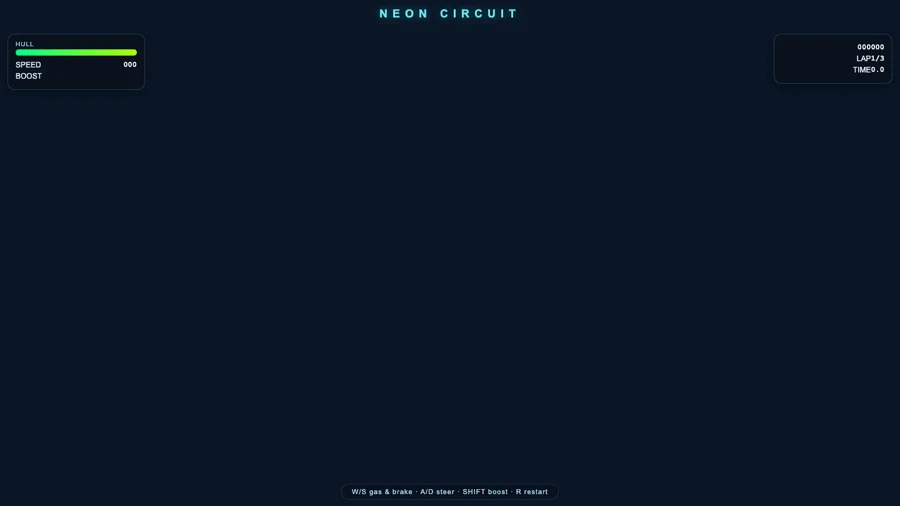
I ran it through all 50 of my build tests.
Every model I take seriously goes through the same gauntlet: one prompt, one file, no follow-ups, no hand-holding — then the result gets rendered in a real browser and checked on what actually appears on screen.
Games, 3D worlds, simulations, tools. If it renders black or freezes, it counts as rendering black or freezing. No posed screenshots.
Here's how V4-Flash-0731 did, on the official API so the results belong to the build DeepSeek actually shipped:
50/50complete, valid builds
0truncated or broken files
42/50rendered clean first time
8/8failures fixed by the model itself
Every single one came back complete.
Fifty tasks, fifty valid, properly closing files — not one truncation. That's rarer than it sounds; plenty of models trail off mid-build on the harder tasks.
Forty-two rendered perfectly on the first attempt.
Eight came back black or nearly black — the interface would draw but the 3D scene wouldn't show up.
Then the interesting part.
I don't patch broken builds by hand — that would flatter the model. Instead each failure goes back to the model with the real screenshot evidence: your scene isn't visible, fix the root cause.
All eight came back fixed on the first try. Every one of the fifty now renders.
That self-repair behaviour is exactly what the 0731 upgrade was supposed to improve, and it's the thing you'll feel most in daily use — an agent that can read the evidence of its own mistake and correct it without you narrating the fix.
One honest caveat: it is not fast. V4 reasons at length before writing a single line, so a full 3D game build took several minutes each. You're trading speed for a cheap tier that finishes what it starts.
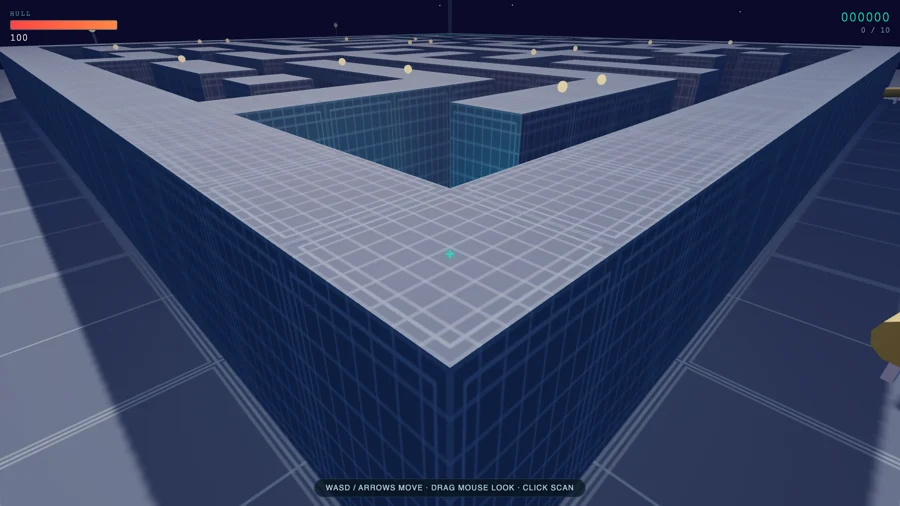
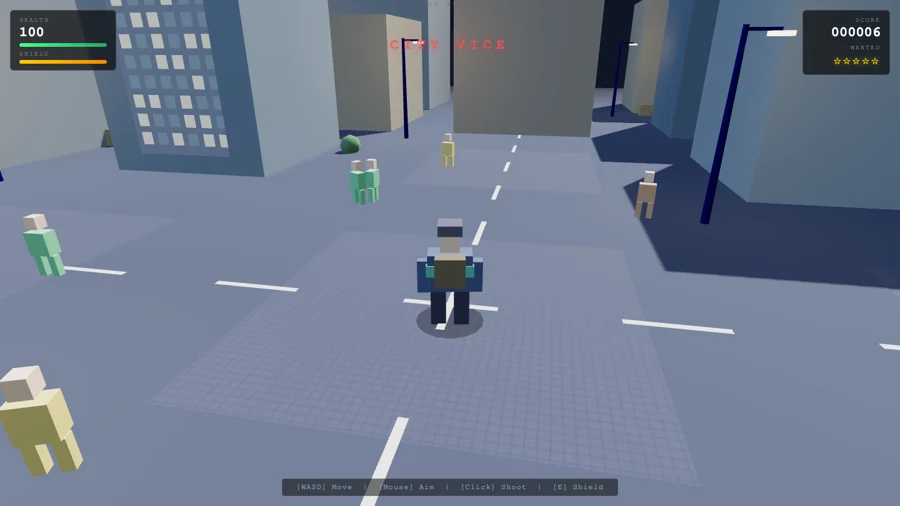
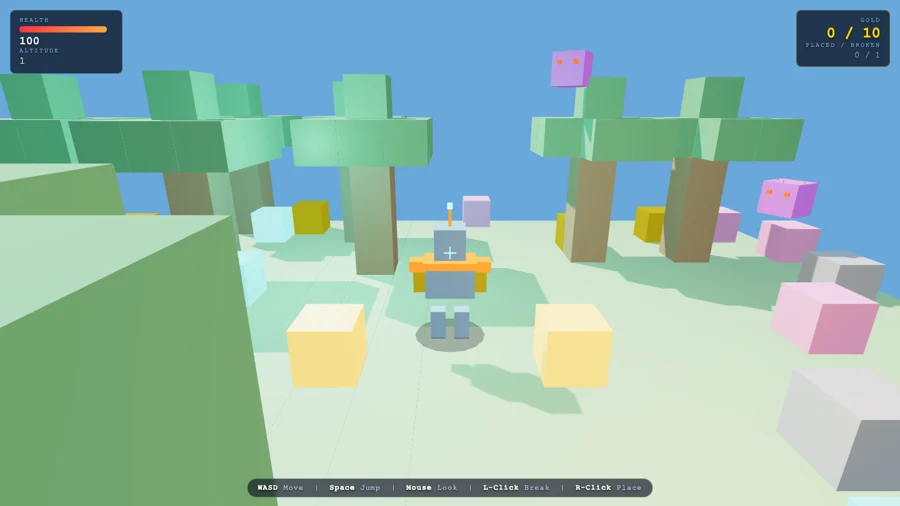
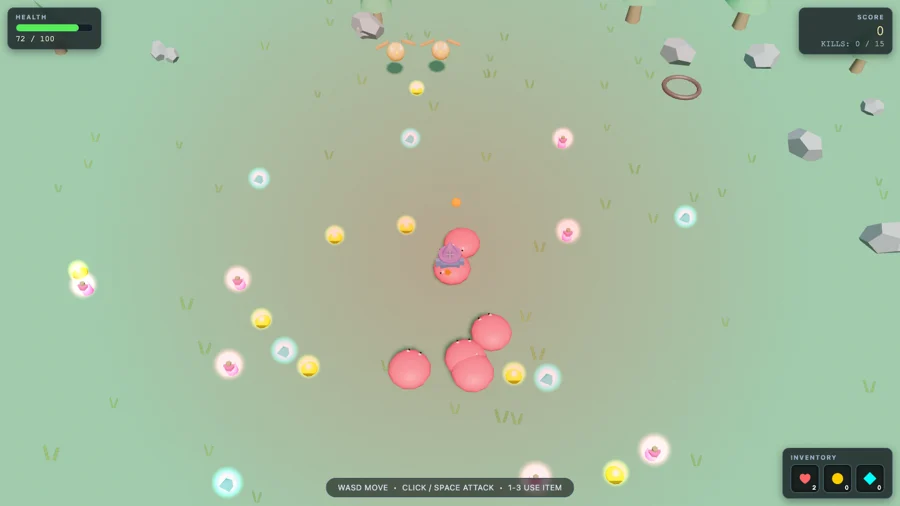
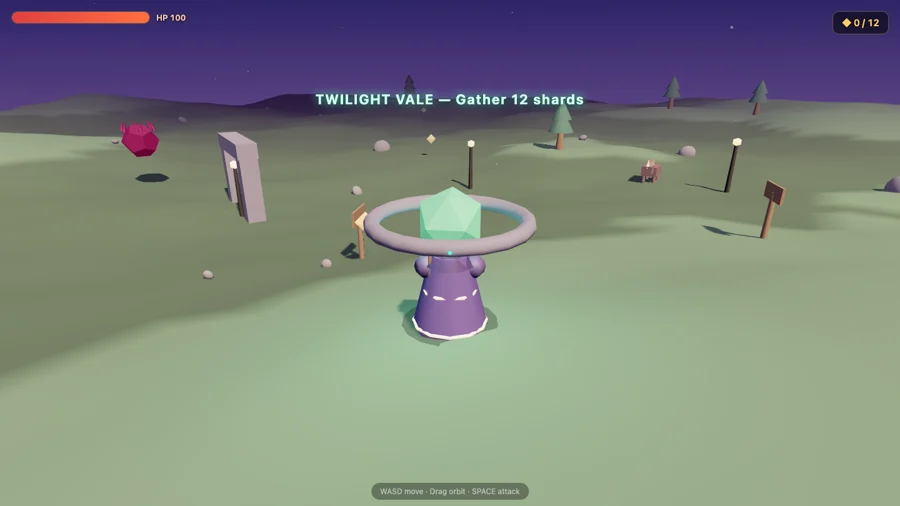
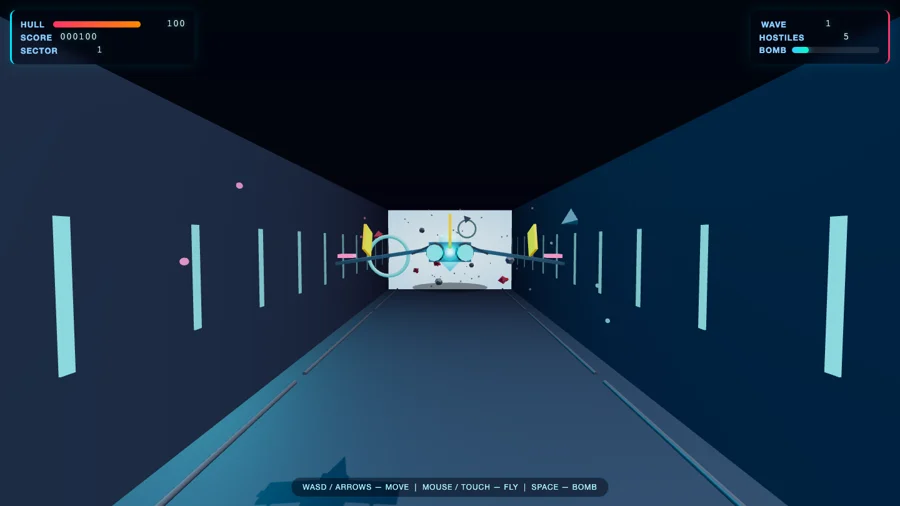
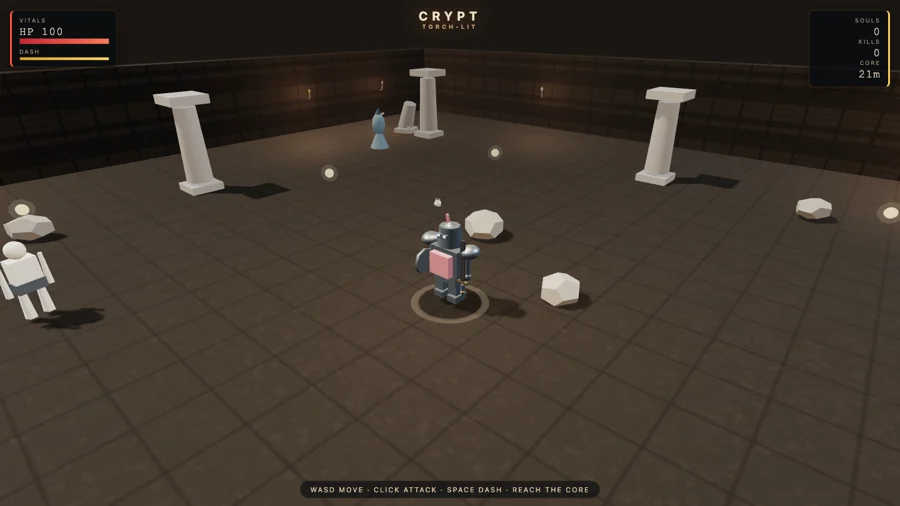
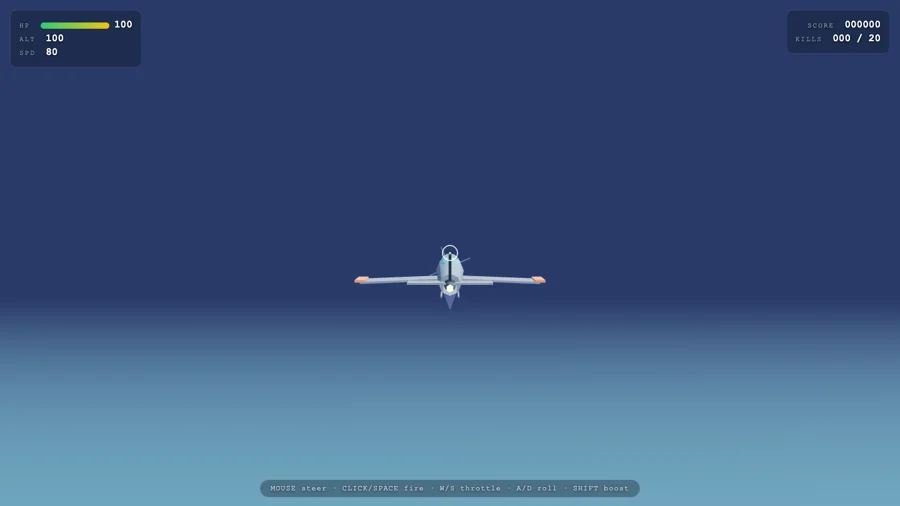
All fifty builds are live and playable on my benchmark — you can open any of them and judge for yourself.
Play them yourself
Twelve of the fifty, all one prompt each, all untouched by me. Click any one — they run right in your browser.
Every one of the fifty is on my benchmark too, playable next to the same task built by every other model on the board.
"Where are the scores?"
The builds are on the board; the scoring pass is still to come.
My leaderboard is scored by one vision judge on one rubric so every model sits on the same scale — swapping in a different judge to get numbers faster would produce a score you couldn't compare to anything.
So the demos ship now, the number lands when it can be judged honestly.
✦
VII ────── My story · why this matters
I was you. Then I stopped chasing launches.
Before
Every model launch used to cost me a day.
New announcement, new tool to install, new setup to figure out, new subscription to argue with myself about.
By the time I'd wired it in, something else had launched.
I was permanently three days behind and permanently rebuilding.
Then I built the system first and made models a dropdown.
After
Today DeepSeek launched at breakfast and it was running in my OS before lunch.
One profile, one dropdown entry, one benchmark run — and every existing agent, memory note and workflow carried straight over.
Nothing rebuilt. Nothing re-learned.
That's the whole difference: launches stopped being interruptions and started being upgrades.
You can have this too. Build the system, then let the models come to you.
VIII ────── The receipts
Real people. Real builds. Inside the Boardroom right now.
The members running this stack — agency owners, ecom founders, course creators — plugging in new engines the week they ship.
4,000+ founders inside AIPB
258 real wins documented
400K YouTube subscribers
38 countries · live members
163K X followers
Members post their wins as they happen — first agents shipped, workflows automated, whole businesses run from one dashboard. All collected in one doc you can read right now.
A genuinely better agent model landed this morning. It's live right now, in public beta.
So here's the deal.
Point one real task at it today — a build you'd normally hand to your everyday model. Use the official API so you know you've got the new build.
Then judge it on what comes back, not on what anyone said about it.
The people who wait for the round-ups are always a week behind the people who tested it themselves on launch day.
Be one of those people. One task. Today.
✦
IX ────── Old way vs new way
Most people collect models. Operators plug them in.
The old way: a model launches, you read six threads about it, maybe install another app, and end up with ten half-used tools and no system.
When the next one lands, you start again.
Worse — you test whatever build a random route hands you and form an opinion about a model you never actually ran.
The new way: the system is permanent, the models are swappable parts.
A launch means one profile, one dropdown entry, one benchmark run — and everything you've already built inherits the upgrade instantly.
You go to the source so you know what you're running, you measure it yourself, and you keep the winner.
That's how you compound instead of restart.
✦ ✦ ✦
Get the whole operating system
Want new engines plugged in for you?
Every model in one dashboard, swappable, benchmarked — that's the Agent OS. Join the AI Profit Boardroom and you get:
The full Agent OS — every major engine in one dashboard, new ones added the week they ship
Model-routing playbooks — which engine for which job, kept current as the field moves
Free local models — the everyday 90% of work at $0 on your own machine
Agent Kanban — Planner → Builder → Reviewer teams that ship while you sleep
The memory vault — an Obsidian brain your agents actually read
5 live coaching calls a week — get unblocked by people on your exact setup
You're not buying a tool. You're getting the operating system I run a seven-figure business on — and it absorbs every launch like today's without breaking stride.
Inside the AI Profit Boardroom · skool.com/ai-profit-lab
Set up in an afternoon · used in 38 countries · new tools added every week
XI ────── Three beliefs to drop
What's actually stopping you isn't technical.
"There's a new model every week. Why chase this one?"
You shouldn't chase any of them — that's the point of having a system.
When plugging one in costs ten minutes and nothing else changes, testing a launch isn't chasing. It's just Tuesday.
The exhaustion comes from rebuilding, not from trying.
"Small, fast models can't do serious work."
That was true for a long time and it's quietly stopped being true.
DeepSeek's own claim here is a small tier beating their previous strong tier on agent benchmarks — same size as before.
The right question stopped being "how big is it" and became "how well was it trained for the job I'm giving it".
"I'll wait for the reviews."
Reviews of launch-day models are frequently written on whichever build a random route served — and today's release is the exact case where that produces a wrong answer.
Ten minutes on the official API gives you a better read than a week of threads.
✦
XII ────── The SOP
Try it properly — four steps.
1 · Go to the source. Use DeepSeek's own API for anything you intend to judge. Confirm the model appears in their official model list first — that's your proof you're on the shipped build, not a stale mirror.
2 · Give it an agent job, not a quiz. The upgrade is about agent loops and Codex-style coding, so test it there: a real build, a real multi-step task. A one-line question tells you nothing about what changed.
3 · Use the context. A million tokens means you can hand it a whole codebase or a whole research pile instead of feeding it slices. Most people never change their habits after a context jump — that's leverage left on the table.
4 · Keep it in a dropdown, not a bookmark. Wire it in next to your other engines so you can A/B it on real work all week. The model that wins your actual jobs is the one worth keeping — and you'll only find out by running both.
✦
XIII ────── Recap
The whole launch in 30 seconds.
DeepSeek-V4-Flash is live in public beta on their official API — a major agent-capability upgrade that DeepSeek say now far surpasses their previous V4-Pro-Preview on benchmarks.
Same architecture, same size as the preview. The gain is post-training: native Responses API support and full adaptation for Codex-style coding loops, with a 1M-token context window.
Scope: the upgrade applies to the V4-Flash API for now — V4-Pro and the app/web versions are unchanged, with the official V4-Pro release coming.
The trap: third-party routes list it undated. Same name, possibly the older build. Judge it on the official API or you're reviewing a model you never ran.
In my Agent OS: a Hermes profile, its own DeepSeek Coder tab on the official API, and the coding-agent dropdown. On my benchmark it built 50/50 complete files, 42 rendered clean first time, and it repaired all 8 failures itself when shown the evidence.
The shortcut
Skip the wiring. Run my exact setup.
Every engine pre-plugged, benchmarked and swappable — that's the Agent OS inside the AI Profit Boardroom. 4,000+ founders, 258 documented wins, 38 countries.
The AI Profit Boardroom is where the actual Agent OS lives — the templates, the prompts, the daily rooms, the weekly walkthroughs. Same builds you read about here, taught hands-on inside.