The Three Dragons™ — Kimi K2.7, GLM-5.2 & the free N2.
New framework — 3 Chinese AI agents + Agent OS
Three new Chinese AI agents dropped this month. All open-source. All autonomous. I gave each one a sentence — and they built me playable worlds while I slept.
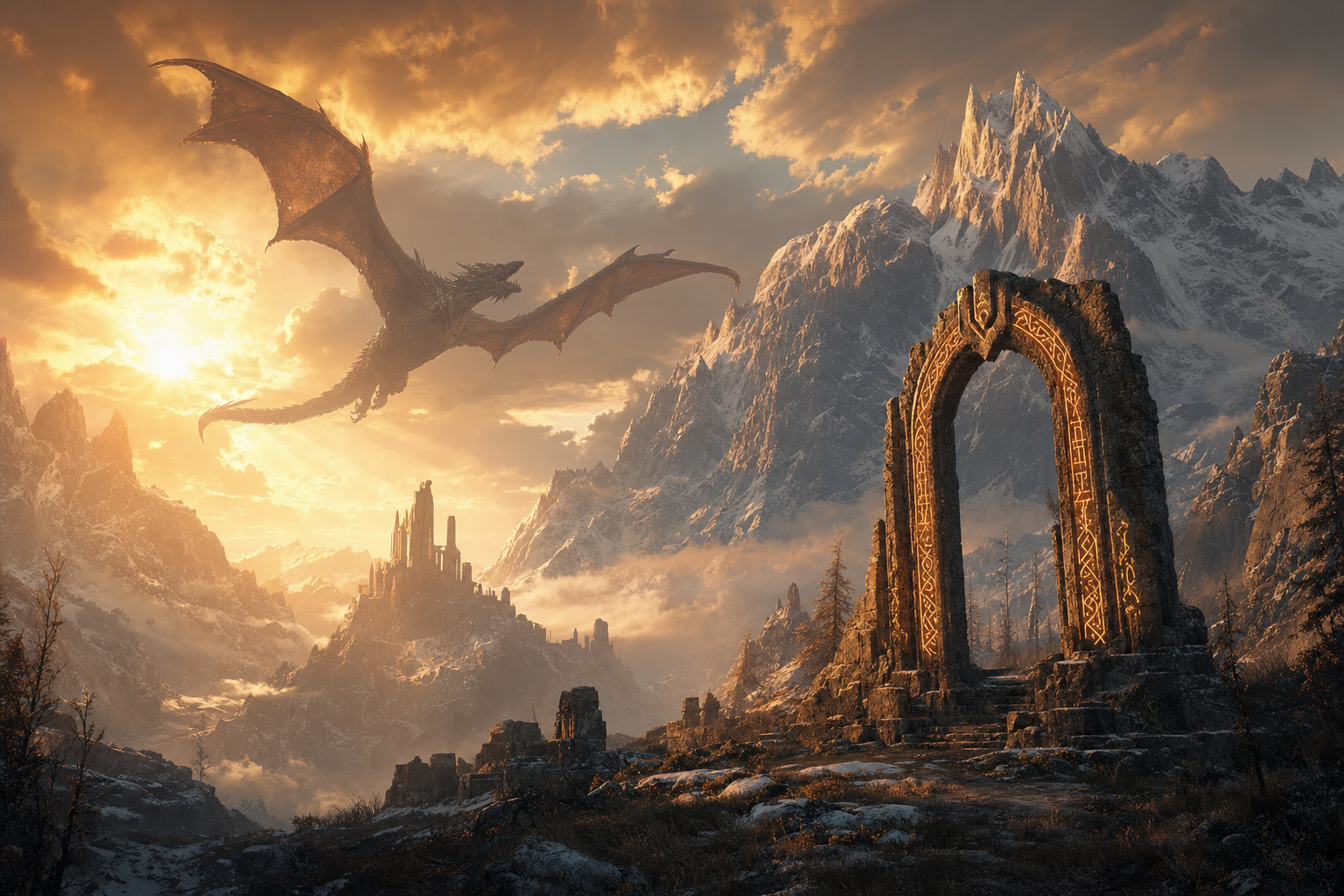
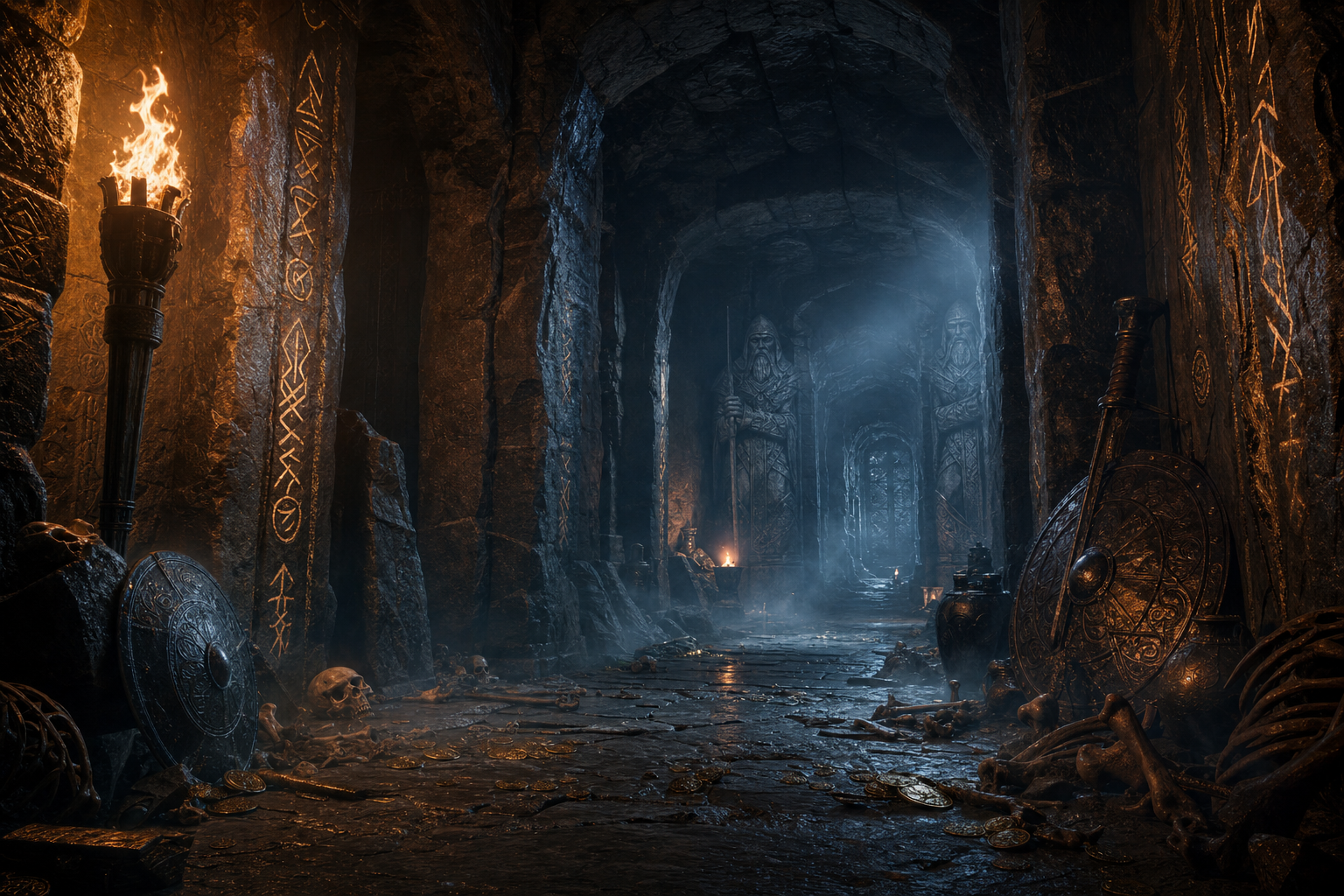
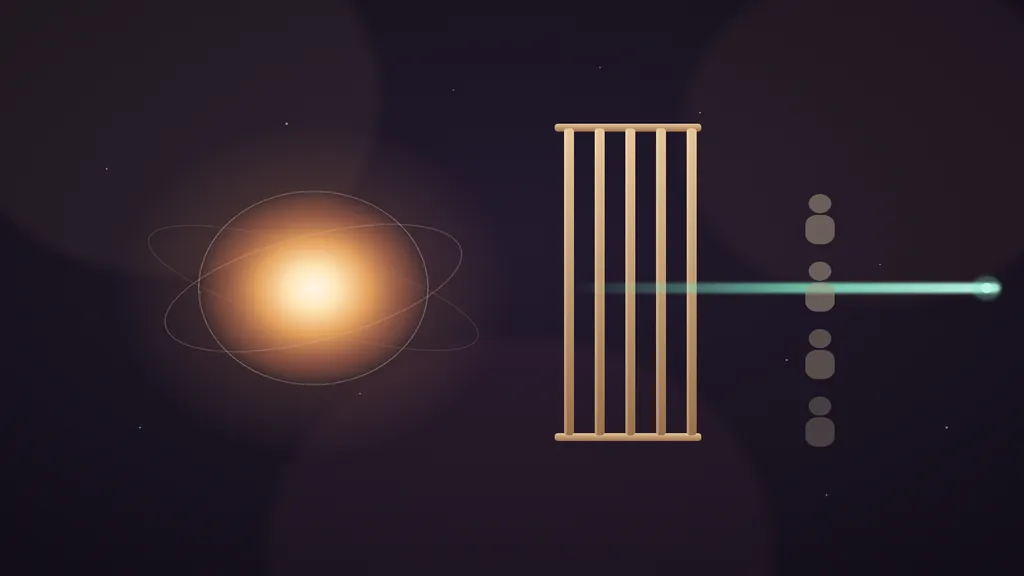
GLM-5.2 made this. The splash art for the open-world dragon game it built from one sentence. The playable version is below — and it's real.
0
new Chinese agents all open-source
0
token context on GLM-5.2
$0
to run N2 completely free
I ────── straight from the source
The official pages. Read it — and run it — yourself.
Everything here comes from the labs' own announcements, model cards and benchmark notes. Nothing second-hand. Here's where to read each one and try it yourself.
"Zhipu shipped a frontier-class flagship — a usable 1-million-token context window, open weights under MIT — with no benchmark numbers at all."
— Z.ai (Zhipu AI), GLM-5.2 launch · June 13, 2026. Kimi K2.7-Code landed June 12; N2 keeps pace with GPT-5.5 and Opus 4.7 — for free.
II ────── what they built · open everything
Six playable worlds. Click any of them.
This is the payoff first. Every one of these is a real, playable build one of the three agents wrote from a single sentence. Open them on your own machine and play.
Open every build ↓ (opens the real, playable file)
The two "live · running" tiles are the real builds embedded and moving on this page. Your cursor stays free — click play ↗ on any tile to open the full build. (Live tiles need this page opened from your machine to render.)
Three agents. One screen. You don't pick a winner — you run all three and keep the best build.
Thinking it?"This looks technical. I'm not a coder — there's no way I can do this."
You never write a single line of code. You type one plain sentence — "make me a dragon game" — and the agent writes the whole thing.
If you can paste one command to install it, you're past the hard part. Members who'd never opened a terminal are building games this week.
I wanted to build things. Games. Apps. Little tools.
But I'm not a game developer. I'd open a tutorial and close it.
I was paying for the big AI plans every month just to get a half-finished file.
And the cheap models? They'd hit a limit and stop in the middle of a build.
So I built nothing. For years.
Then three Chinese agents dropped — and I gave each one a sentence.
After
Now I type one line and walk away.
I wake up to a playable open world. A dungeon. A working desktop.
One of the three is completely free, so the bill went down, not up.
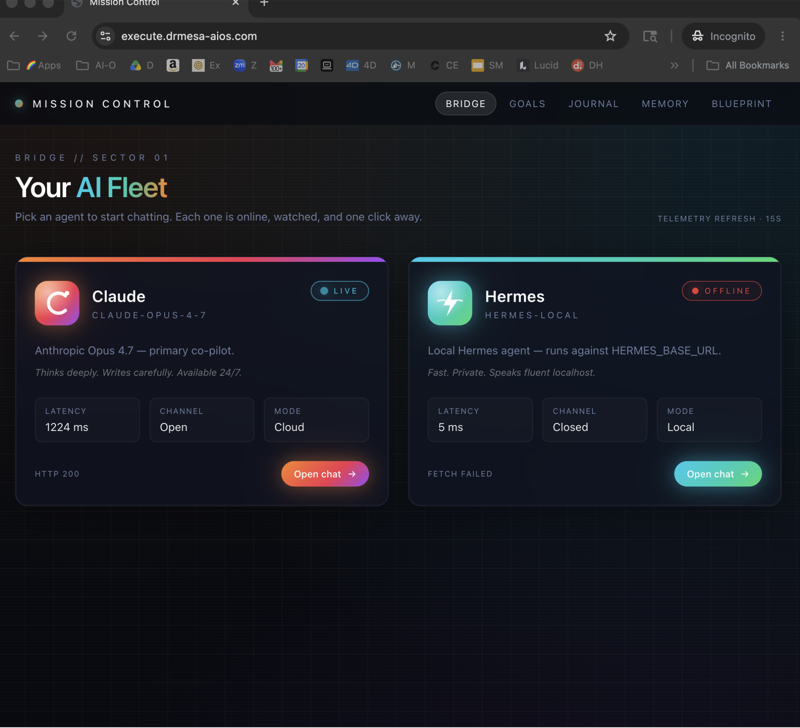
They all live in one dashboard, so I never copy-paste between tabs again.
You can have this too. Same three agents. Same one screen.
V ────── the receipts
Real people. Real wins. Inside the Boardroom right now.
Here's what's happening for the members already running this stack — agency owners, ecom founders, creators, solo operators. Different businesses. Same result: they build with AI instead of just chatting with it.
You've seen the proof. Real people. Real builds. Real games made from one sentence.
The next ten minutes show you exactly which agent does what, and how I wired all three into one screen.
So here's the deal.
Promise yourself one thing right now. You'll finish this guide AND install one of these three agents before you sleep tonight. Just one. Because the moment you make this transition, the whole way you work with AI changes — you stop renting answers and start owning a builder.
The people sitting still are getting passed. The people who pick one of these up today are the ones who'll look back in six months and say "that was the moment."
Be one of those people.
Commit to the transition. Commit to taking action today. This changes everything about how you build.
✦
VI ────── the framework
The Three Dragons™.
Three agents, three jobs. You don't choose one. You keep all three and point each at what it's best at. That's the whole framework — and it's why you never get stuck again.
i.
The Powerhouse
Kimi K2.7
Your heavy lifter. A trillion-parameter brain that writes big, complex builds in one shot — and now runs fast. When the job is hard, you hand it to the Powerhouse and it finishes.
ii.
The Long-Mind
GLM-5.2
Your never-forgets agent. A million tokens of memory means it can hold a whole project — every file, every rule — in its head at once. Big builds stop falling apart halfway through.
iii.
The Free One
N2
Your zero-cost workhorse. It keeps pace with the expensive models on coding, and it costs you nothing. So you experiment all day without ever watching a bill.
VII ────── old way vs new way
The old way burned money. The new way builds.
The old way~$200/mo · still stuck
Pay for one big AI plan every single month
Get a half-finished file, then hit a usage cap
Cheap models quit in the middle of a build
One model, one opinion, one dead end
Copy-paste between five browser tabs
Result: you talk to AI, but you never ship
The new way · Three Dragons~$0–cheap · you ship
Three open-source agents — one of them totally free
Kimi finishes the hard builds in one shot
GLM holds the whole project in a 1M-token memory
N2 runs all day for nothing
All three in one dashboard — no tab juggling
Result: you type a sentence, you wake up to a real build
✦
VIII ────── dragon one · the powerhouse
K2.7
Kimi K2.7 — the heavy lifter
Moonshot dropped Kimi K2.7-Code on June 12. It's the big one — a trillion-parameter mixture-of-experts model that only lights up 32 billion of them per token, so it's huge but still quick. It reads up to 256,000 tokens at once, and it's open-source under a modified MIT licence.
1T total params (32B active)256K context$0.95 / million tokensModified MIT open weights~180–260 tok/s (HighSpeed)
The headline Moonshot reported: against the last version, K2.7 is up +21.8% on its Kimi Code Bench v2, +11% on Program Bench, and it uses about 30% fewer "thinking" tokens to get there. In plain English — it's smarter and it wastes less. The honest caveat: those are Moonshot's own benchmarks. There are no independent third-party scores on the big public tests for K2.7 yet, so treat the numbers as vendor-reported. (For reference, the previous K2.6 scored an independently-verified 80.2% on SWE-bench Verified.)
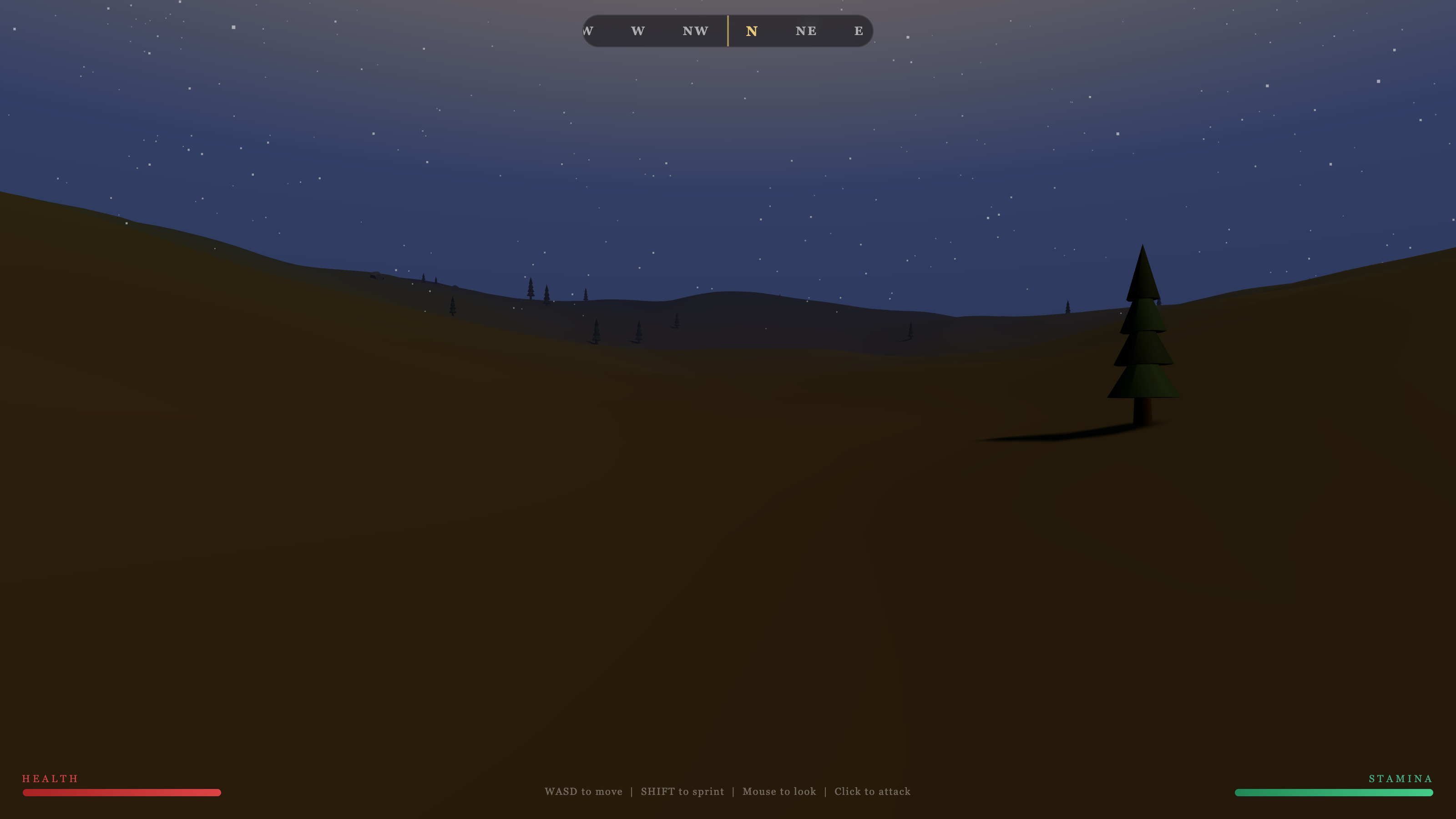
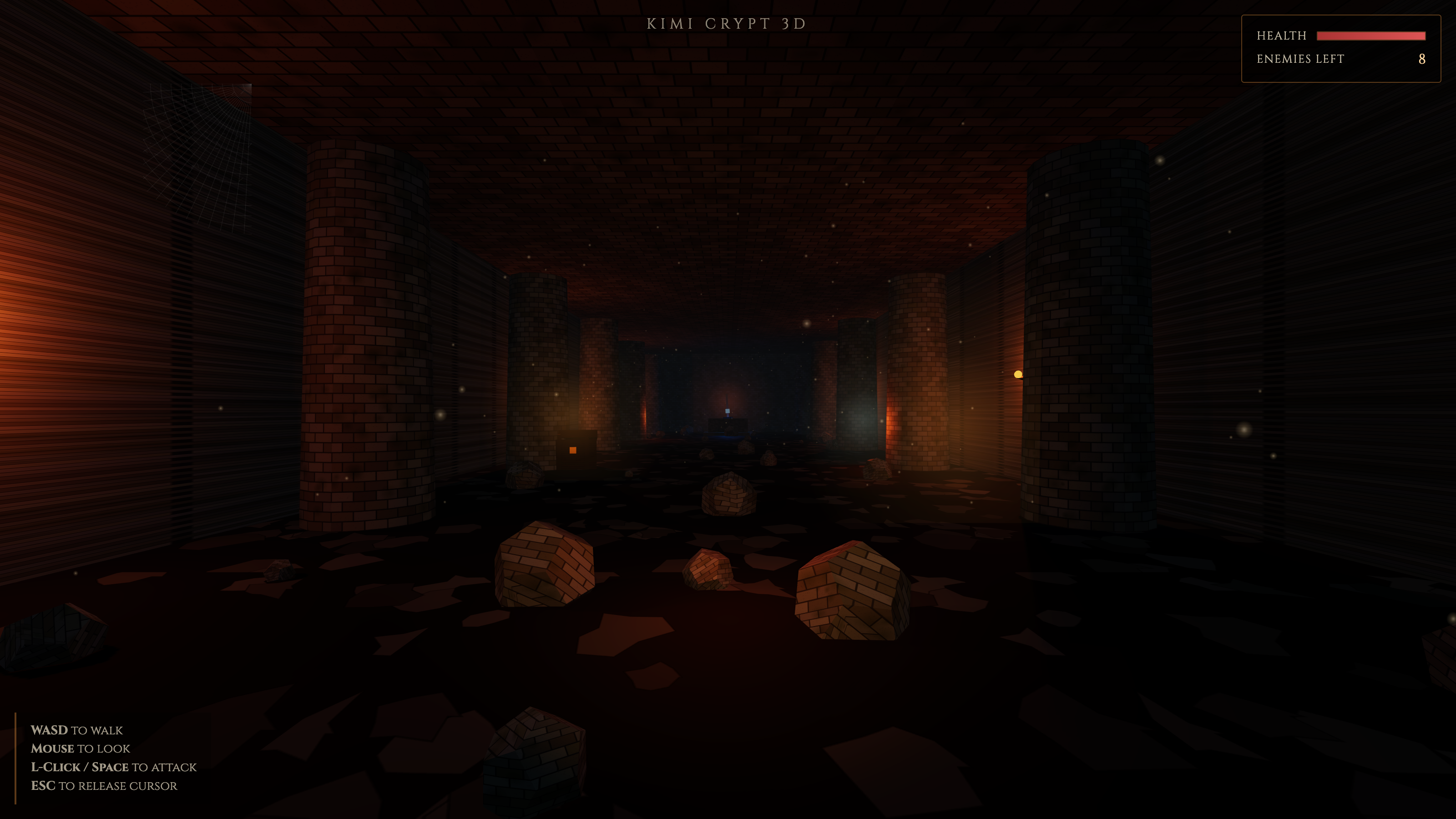
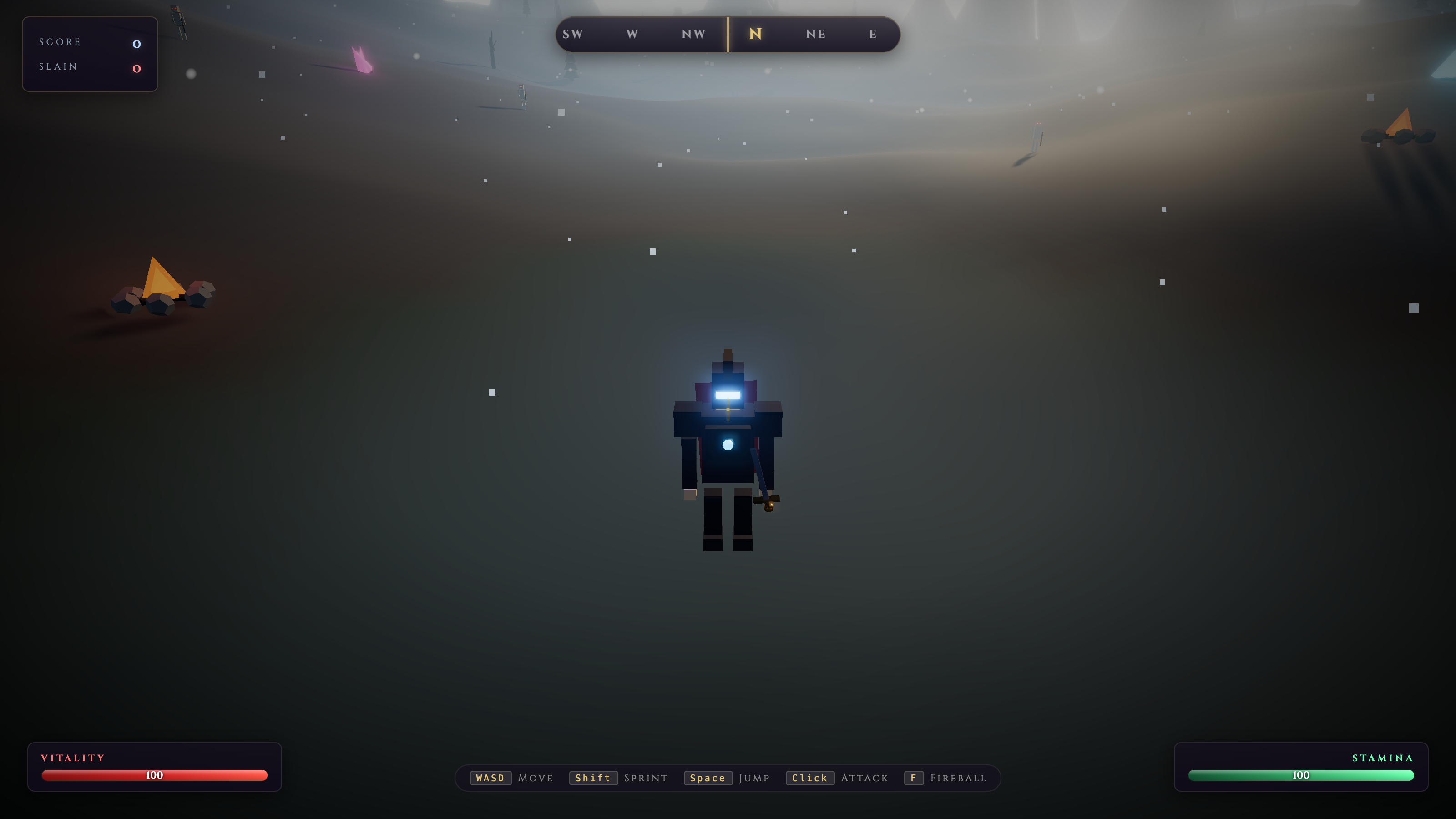
So what did the Powerhouse actually build for me? It built The Dragon Realm — a first-person open world you can walk around, with a compass, health and stamina. Then it built Kimi Crypt 3D — a torch-lit dungeon with enemies and combat. Two playable 3D games. From two sentences. You can open both up top.
Thinking it?"A trillion parameters — that has to be slow and expensive."
It only fires 32 billion at a time, so it's fast — and the new HighSpeed mode hits up to 260 tokens a second.
At $0.95 a million tokens, a whole game costs you pennies. The open weights are free to download.
How the dragons stack up vs Claude & GPT — SWE-bench Verified
Higher is better. Axis starts at 68 to show the gap. Claude still leads (Fable 5, Opus 4.8). But the open, free/cheap dragons (N2, Kimi) now sit right on GPT-5.5's heels. GLM published none; Kimi's public score is K2.6 (K2.7 internal). Leaderboard as of 13 Jun 2026; dragon scores vendor-reported. Hover a bar.
100
90
80
70
95.0
Claude Fable 5
closed · premium
88.6
Claude Opus 4.8
closed · premium
82.6
GPT-5.5
closed · paid
80.8
🐉 N2 free
open · $0
80.2
🐉 Kimi K2.6
open · pennies
n/a
🐉 GLM 5.2
none published
The dragons aren't #1 — Claude is. But N2 (free) and Kimi (pennies) land within ~2 points of GPT-5.5, for a tiny fraction of the price. Two years ago that gap was a canyon. Now it's a step.
Put the free one head-to-head with Claude's flagship and the gap is smaller than the price tag suggests:
SWE-bench Verified the free dragon vs Claude · higher better
Claude Opus 4.8
0
N2 (free)
0
SWE-bench Pro the harder real-world test · higher better
Claude Opus 4.8
0
N2 (free)
0
What it costs you same job · lower better
Claude (Max plan)
$$$
N2 (free)
$0
Benchmark sources: closed-model scores via the SWE-bench Verified leaderboard (as of 13 Jun 2026); dragon scores are vendor-reported (Nex AGI for N2, Moonshot for Kimi K2.6). GLM-5.2 published none.
✦
IX ────── dragon two · the long-mind
5.2
GLM-5.2 — the never-forgets agent
Z.ai — that's Zhipu, the Beijing lab spun out of Tsinghua University — shipped GLM-5.2 on June 13. Its superpower is memory. It holds a full one million tokens of context. That's a whole codebase, every file and rule, in its head at once — so big builds stop falling apart halfway through.
1M token context131K max outputHigh / Max thinking levelsMIT open weights~1/10 the price of Claude tiers
Here's the funny part — Zhipu released a frontier flagship with no benchmark numbers at all. None. No SWE-bench, no LiveCodeBench, nothing. For a big launch, that's almost a flex: "judge it by what it builds, not by a chart." Their stock jumped when they open-sourced it under MIT. And it's priced at about a tenth of the premium Claude coding tiers, sitting on the GLM Coding Plan.
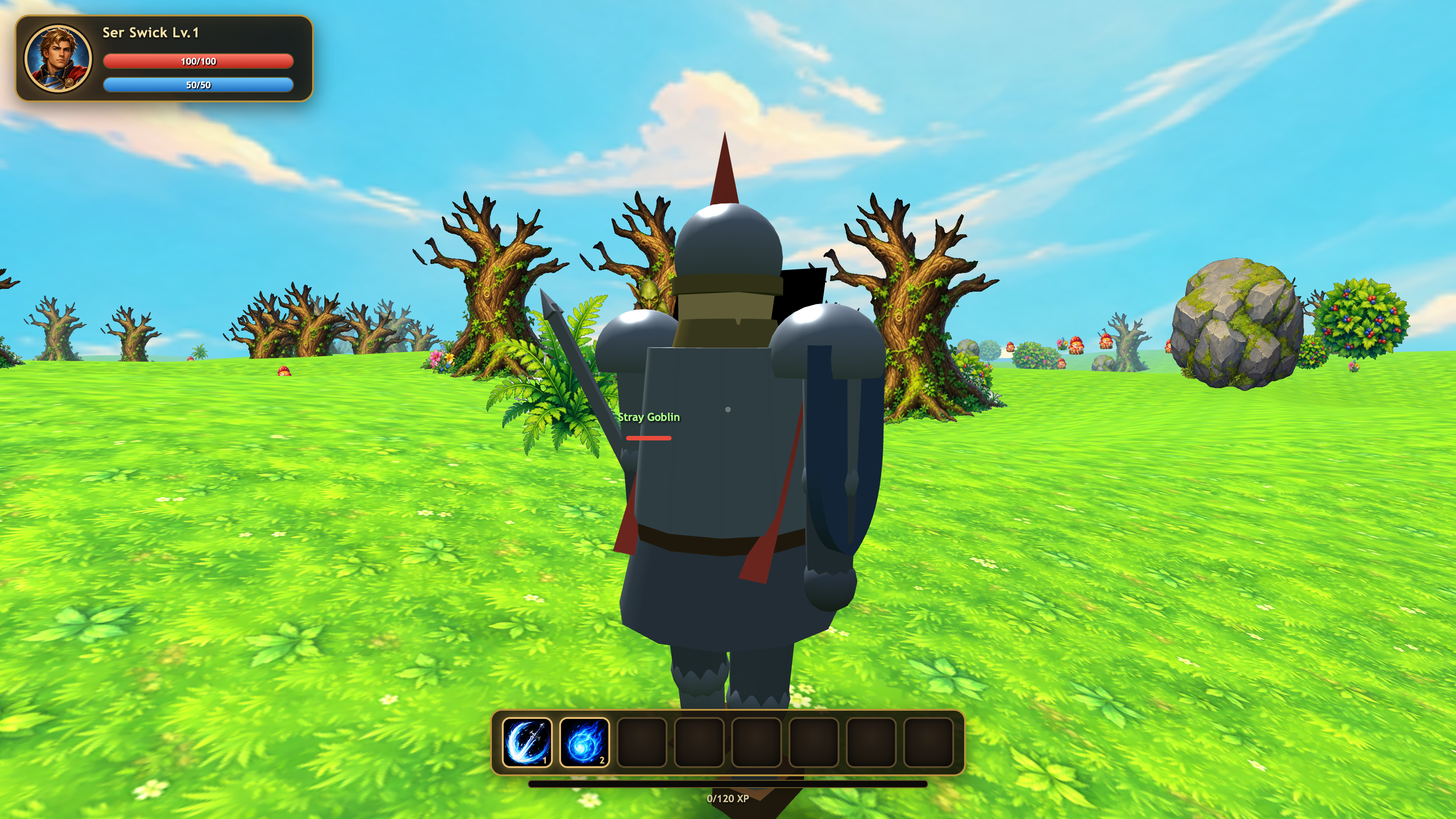
So I judged it by what it built. GLM-5.2 made me a full third-person Realm RPG — a knight, real enemies, levels, a spell hotbar. It rebuilt the open world as a Frozen Dragon Realm with a complete HUD. It even drew its own splash art (that dragon up top) and built a working desktop operating system in the browser — wallpaper, clock, dock, windows. The long memory is why these big builds hold together.
Thinking it?"No benchmarks? Then how do I know it's any good?"
You don't take their word — you take the build. A full RPG and a working desktop OS, from sentences, are the test.
And the weights are open under MIT. Anyone can run it and check. That's more honest than a cherry-picked chart.
How much can it remember at once?
Context window — bigger means it holds more of your project in mind. GLM-5.2's 1M dwarfs a typical 256K.
Kimi K2.7
256K
GLM-5.2
1M
Four times the memory. That's the difference between an agent that forgets your project halfway and one that holds the whole thing start to finish.
✦
X ────── dragon three · the free one
N2
N2 — the one that costs nothing
This is the one that breaks the rules. N2 — Nex-N2-Pro, from Nex AGI — is a proper agentic model: 397 billion parameters, only 17 billion active, built on the Qwen3.5 architecture. It plans, codes, debugs and tools-uses in one loop. And it is free on OpenRouter, with open weights under Apache 2.0.
397B total (17B active)Adaptive Thinking (30–50% fewer tokens)Apache 2.0 open weights$0 on OpenRouter
Free usually means weak. Not here. On Nex's own numbers, N2 hits 80.8% on SWE-bench Verified, 58.8% on SWE-bench Pro, and 75.3 on Terminal-Bench 2.1 — they say it keeps pace with GPT-5.5 and Opus 4.7. Vendor-reported, yes, but the weights are open so anyone can check. And it has Adaptive Thinking — it decides on its own when to reason hard and when to just act, cutting wasted tokens by a third to a half.
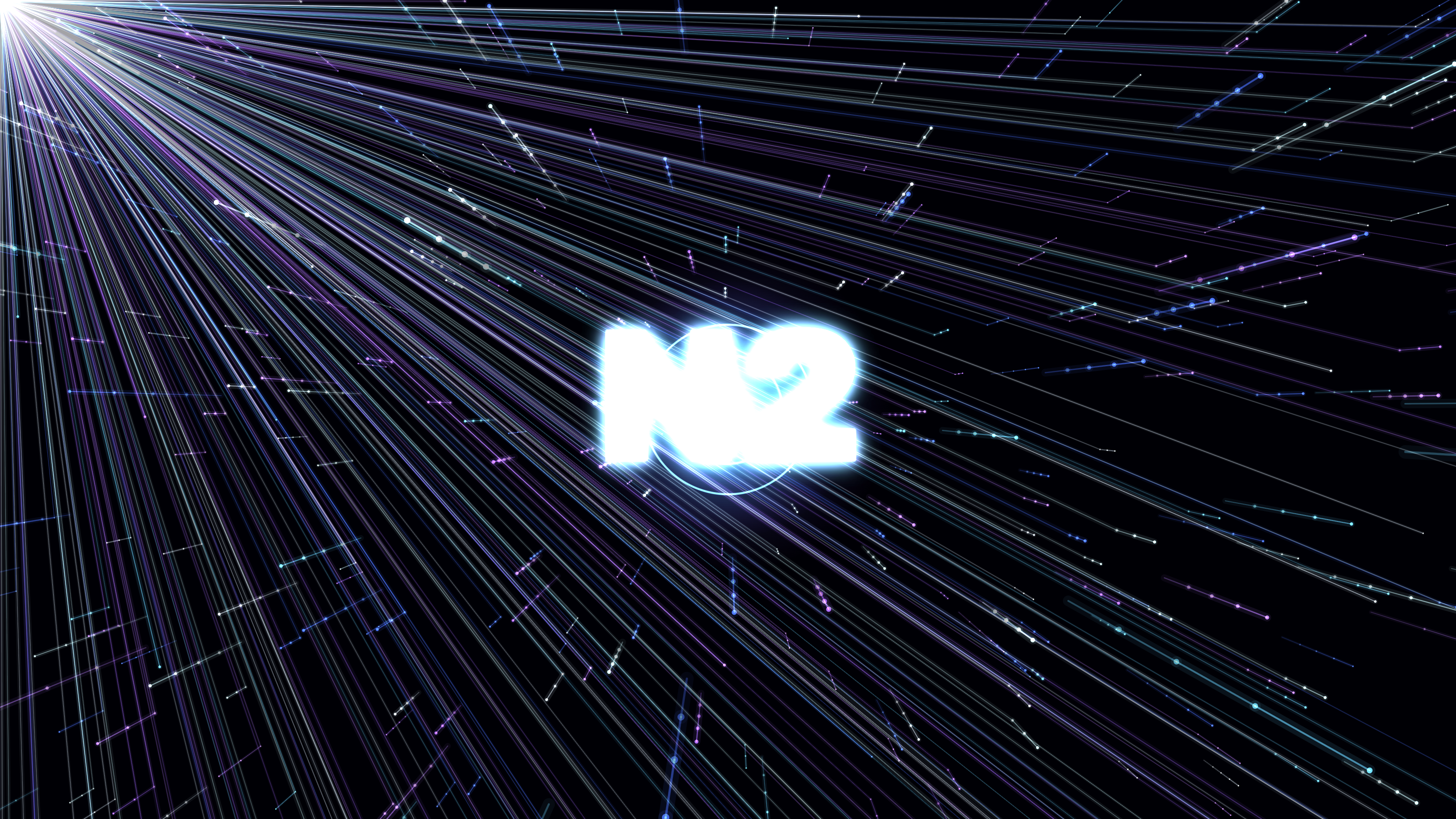
What did the free one build? A glowing Synthwave sunset scene and a Warp-speed starfield — both real, both animated, both made by a model that charged me nothing. One catch worth knowing: it's a reasoning model, so for clean code you tell it to stop over-thinking, and the free endpoint can throttle if you hammer it — so you run jobs one at a time. Small price for free.
Thinking it?"Free models always rate-limit me into the ground."
This one does throttle if you fire ten jobs at once — so you run them one at a time, and it just works.
For a model matching GPT-5.5-class coding at zero dollars, running sequentially is a trade I'll take all day.
What it costs to run — same job
Lower is better. Claude's Max tier is the bar everyone's used to — the dragons undercut it by 10×, 100×, or all the way to free.
Claude Code (Max tier)100%
GLM-5.2 (Coding Plan)~10%
Kimi K2.7 ($0.95/M tokens)low
N2 on OpenRouterFREE
GLM runs at about a tenth of Claude's Max tier. Kimi is pennies a build. And N2 is zero. The whole stack costs less than what most people pay for one chatbot.
✦
the shortcut
Want all three wired into one dashboard?
You just saw Kimi finish hard builds, GLM hold a whole project in memory, and N2 do it for free. The Agent Operating System inside the AI Profit Boardroom is where all three run side by side — one screen, shared memory, every build saved.
The full Agent OS zip file — Kimi, GLM and N2 already wired in
Every prompt I used to build these games, ready to paste
The Obsidian memory setup so your agents know your business
Coaching calls every week with people building this right now
A 30-day roadmap for these exact three agents
A room of 2,200+ builders — a Socratic Society where one person asks and everyone learns
Get the Agent OS →Inside the AI Profit Boardroom · aiprofitboardroom.com
link in the description ↑
XI ────── why run all three
Not the most powerful — the best value on the board.
Let's be straight. Claude's Fable 5 and Opus 4.8 are still the most capable coders alive. But look where the dragons land — most of that capability, for free or pennies. That's the whole pitch.
Cost vs capability — dragons vs the big names
Up = more capable (SWE-bench Verified). Right = more expensive. The closed leaders sit top-right (best, but rented by the month). The dragons sit left — 80%-class coding for next to nothing. Hover the dots.
free / cheap zone
Capability →Cost →
N280.8% · free
Kimi K2.7~80% · pennies
GLM-5.21M ctx · cheap
Fable 595% · premium
Opus 4.888.6% · premium
GPT-5.582.6% · paid
The closed models win on raw score — and you rent them monthly. The dragons win on value: GPT-5.5-class coding for free or pennies. For most of what you build, that's the smarter buy.
Thinking it?"I'll come back to this later. And will it even work for my kind of business?"
Agencies, ecom, coaching, content, SaaS — the engine room doesn't care what you sell. It builds whatever you describe.
And "later" is the trap. Six months from now this is normal. The window where running three frontier agents for almost nothing is a head-start? That's open right now.
✦
XII ────── what's really holding you back
Three things you believe that aren't true.
"The best AI models are American and closed. Chinese open-source is a step behind."Three Chinese labs just shipped frontier-class coding agents in three days — open-source, and one of them free. The gap closed while you weren't looking.
"Free or cheap models are too weak to build anything real."The free one (N2) posts the highest published coding score of the three. The cheap one (Kimi) built two playable 3D games. Real is the only test that matters — and they pass it.
"I need to be a developer to build games and apps."Every build in this guide came from one plain-English sentence. You don't write the code. You describe the thing — the dragon does the rest.
Don't take my word for it
158 pages of members who already broke through these exact beliefs — real businesses, real builds, documented.
N2 is free, GLM is a tenth of a premium plan, Kimi is pennies. Your AI bill shrinks.
ii.
You stopped getting stuck.
Kimi finishes the hard builds in one shot — no more half-done files.
iii.
You stopped losing the thread.
GLM's 1M memory holds your whole project so big builds don't fall apart.
iv.
You stopped owing anyone.
All three are open-source. Download the weights. They're yours.
v.
You started building.
One sentence in, a playable world out. Games, apps, tools — while you sleep.
vi.
You run all three at once.
One dashboard, shared memory. No more copy-pasting between tabs.
You don't need the biggest model. You need three dragons, one screen, and a sentence to start.
one more thing
Make the three dragons save you time every day.
If you want this stack to actually work for you — not just be three more models you poke at sometimes — grab the Agent Operating System inside the AI Profit Boardroom. It turns Kimi, GLM and N2 into one system with shared memory, shared context, and one dashboard you control.
Your agents understand your business. They remember everything. And every new release — like these three this month — makes the whole system more powerful automatically.
The full Agent OS zip — built in one session, yours to keep
Every prompt + the Obsidian memory setup
Weekly coaching calls — we set it up together, step by step
A 30-day roadmap, daily tutorials, and a member map to find builders near you
2,200+ members · a Socratic Society · someone's online 24/7
The AI Profit Boardroom is where the actual Agent OS lives — the templates, the prompts, the daily rooms, the weekly walkthroughs. Same builds you read about here, taught hands-on inside.