Record the pattern from a safe position
Note when the damp first appeared, whether it follows every rainfall and whether its size changes. Photographs taken indoors or from ground level can help explain the problem. Include details of earlier patching or nearby building work. Do not climb onto the roof or use ladders to investigate.
Ask how the diagnosis fits the evidence
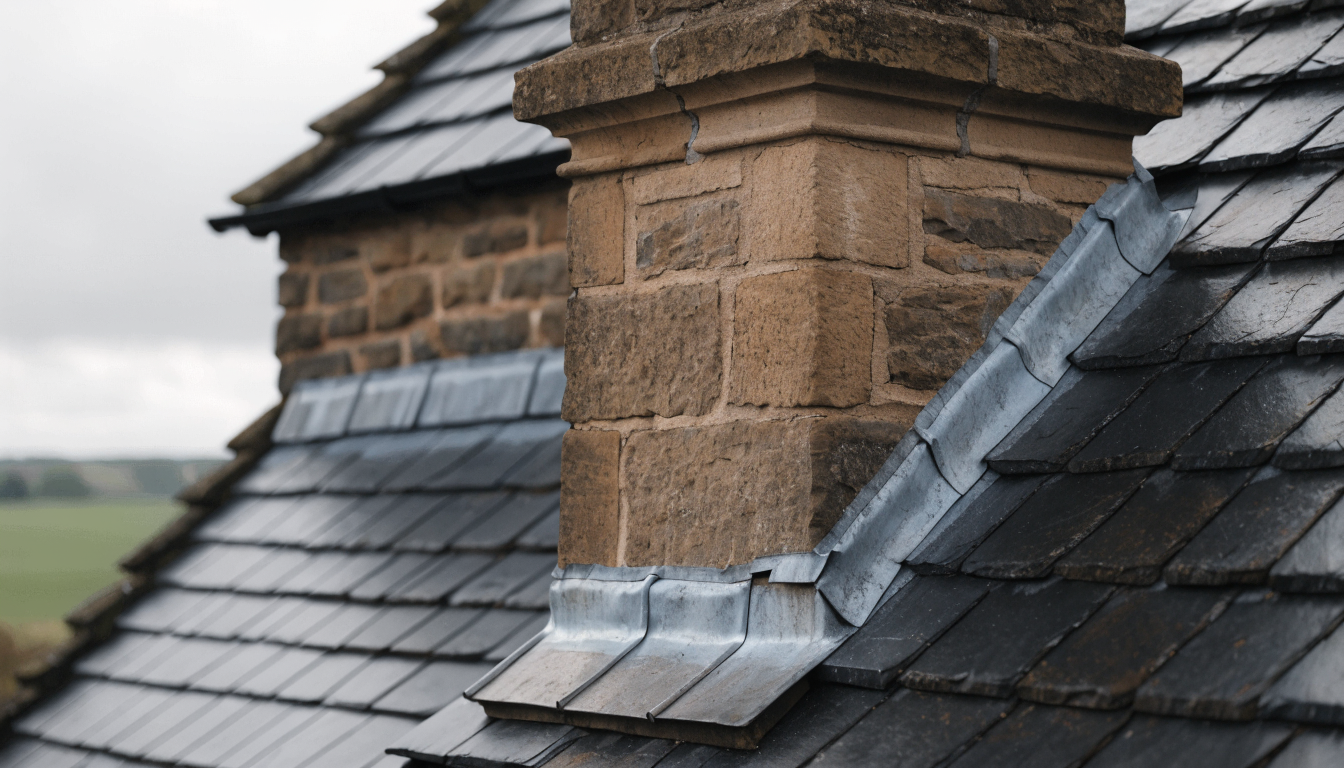
An inspection may need to consider roof coverings, valleys, chimney flashings and roof-window junctions. Ask which defect appears responsible and whether alternative sources, such as plumbing or condensation, remain possible. Where the cause is uncertain, request a defined investigation stage rather than treating a guess as a confirmed diagnosis.
Separate temporary protection from the repair
If temporary weatherproofing is proposed, ask what it covers, its limitations and what follow-up work is needed. The permanent repair scope should identify the affected detail and explain how it will be repaired or replaced. Confirm how additional findings will be documented and approved before extra work proceeds.
Agree what happens after the work
Ask for photographs of the repaired area and an explanation of any checks carried out. Establish who to contact if water returns and what the written terms cover. Internal staining alone will not show whether a repair has succeeded immediately; ask how the roofer recommends monitoring the affected area before redecorating.