Keep exploring · more guides
DeepSeek Harness went live yesterday, and it is completely free.
In less than a day it passed sixty-five thousand stars on GitHub.
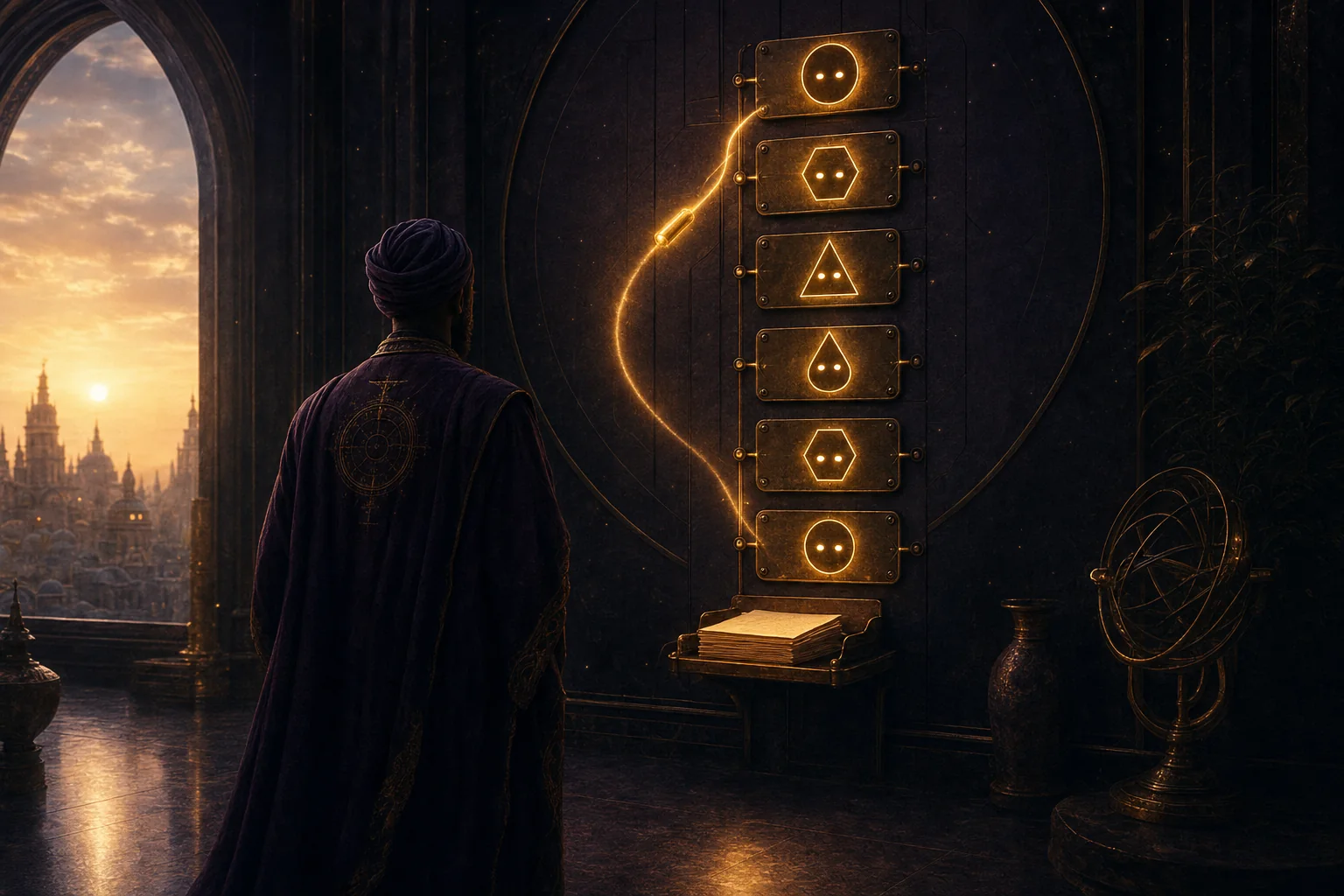
Every single part of it comes off and swaps — the model, the memory, the tools, even the screen.
And there is one tiny line buried in the docs that matters more than the whole launch.
Most people scrolled straight past it. I have it running on my machine, so I'll show you.
Download it, change it, sell something built on top of it — no permission needed.
It went from nothing to one of the fastest-growing AI projects of the year in under twenty-four hours.
Plus that one line in the docs that changes what this launch means for you.
The part of an AI agent nobody explains — and the part that does the actual work.
Every piece is a plug. Not just the tools. The model, the memory, the loop, the screen.
It reads the same instruction files your other agents already read. I'll show it happening.
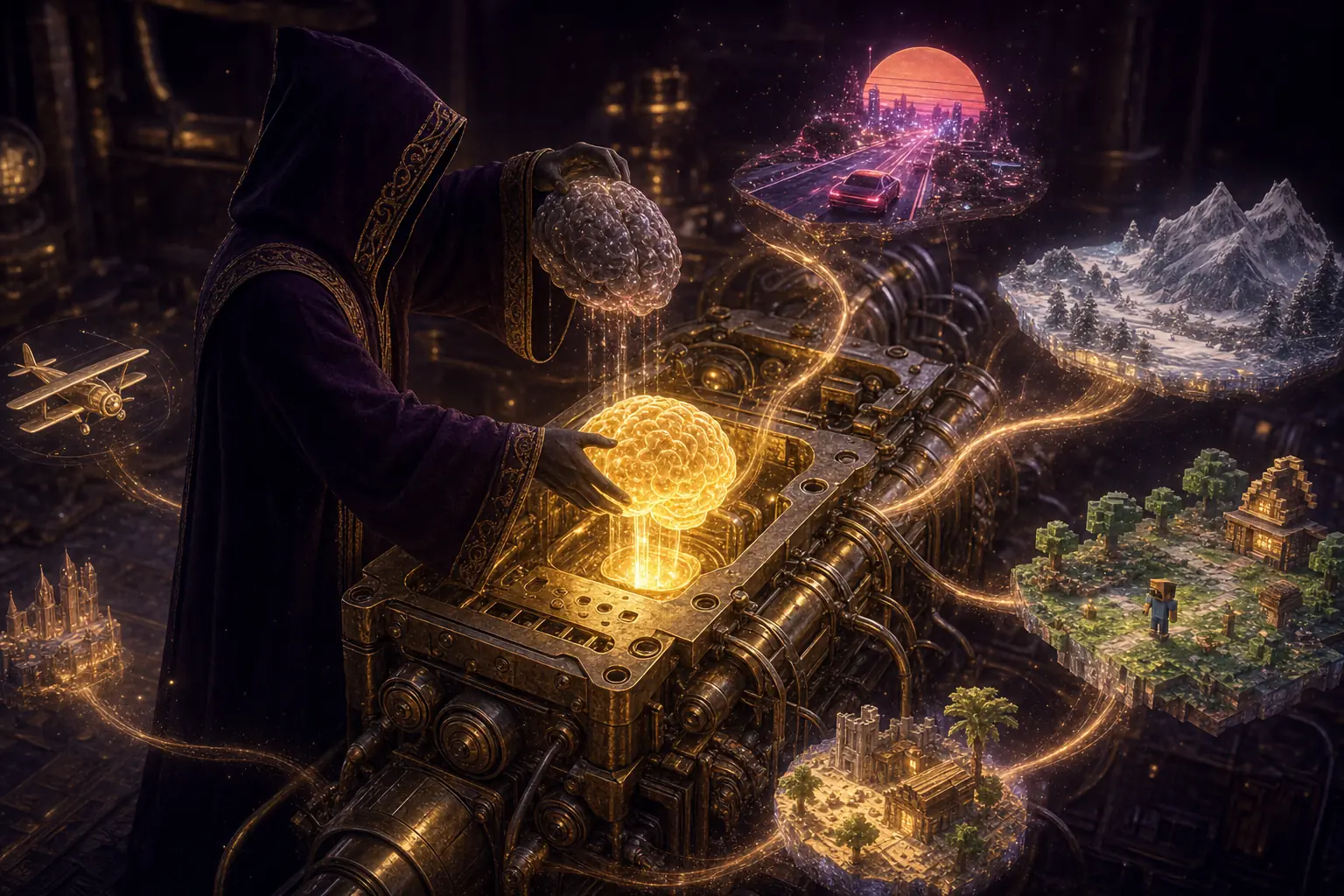
It can't open files, remember yesterday, or use tools. The harness is everything wrapped around it.
When you hear "AI agent", you're really hearing "model plus harness".
Claude Code is a harness around Claude. Hermes Agent is a harness around Hermes models.
The harness is where the actual work happens.
Not another model. The thing that turns a model into something that does your work.
The model. The tools. The skills. The memory. The sandbox. The files. The loop that decides think-act-check-repeat.
Even the screen you look at. Every single piece pulls out and swaps for a different one.
Here is that claim proved on my own machine, in two commands.
What you're watching: the same harness asked to count its own parts. The full app stacks 129 plugins. The quiet background runner stacks 81. The difference between them is almost entirely the user interface — because the interface is a plugin too.
You can change the radio station, maybe add a phone mount. But the engine is the engine.
Swap the engine, the wheels, the seats and the steering wheel — and it still drives.
MCP standardised tools: a socket that lets any agent use any tool. This applies the same idea to the entire machine.
Tools were one plug. Now the model is a plug, the memory is a plug, the loop is a plug.
Nobody else has shipped that this cleanly as free open source.
The project is led by Tianyi Cui, who joined DeepSeek in March 2026 after Jane Street — the trading firm famous for hiring some of the sharpest technical people in the world.
Twenty-two people built this. Keep that Jane Street hire in mind — I'll come back to it.
Sorted into knowledge, media, workflow and integrations. That's day one.
When a free tool grows an ecosystem in a day, that tells you where the energy is.
Agent setups like this are what we live in every single day inside the AI Profit Boardroom.
That matters more than it sounds. Most harnesses live in the terminal, which scares off anyone who isn't a coder.
What you're watching: the real install on my Mac. One line, about a minute, and it hands you back a web address. That page runs on your machine — a normal chat page, free.
DeepSeek says it plainly in the docs, in capital letters: there will be breaking changes.
Things will move around. Plugins will stop working and get fixed. That's normal for a preview.
I'd rather tell you now than have you install it tonight and blame yourself.
In plain English: it speaks the same languages your other agents already speak.
Those little instruction files are how you tell an agent about your business — your rules, your style, your projects.
What you're watching: I dropped a CLAUDE.md — Anthropic's own instruction file — in a folder on my Mac, then asked DeepSeek's harness a question only that file could answer. It answered from the file. It never asked me to start over.
You drop it into your existing setup, and it picks up the instructions your other agents already follow.
What you're watching: the harness's own screen, admitting it. Look at the line "Context injection · ~/.dsh/AGENTS.md, CLAUDE.md" — then look at the answer. It knows my business, my house style, and my rule about never making numbers up. Nobody typed any of that into DeepSeek.
DeepSeek could have made this a walled garden. They did the opposite — including for the world Anthropic built.
Live on their web app, mobile app and API, with native support for the OpenAI Responses API and Codex integration.
So the brain and the body launched together.
Fair — developers using V4 through DeepSeek's API will soon pay considerably more for it.
But remember the whole point of the plugin design. You can aim this harness at any model you want: their model, an open model, a local model on your own machine. Your choice, not theirs.
Claude Code is one of Anthropic's most important developer products, and it's closed. OpenAI keeps Codex tied to its own models.
Boxed in by chip restrictions for two years, so they compete where they're strong: efficiency and openness.
An open harness pulls developers toward DeepSeek models the way free roads pull traffic toward the towns they connect.
Every free release forces the closed tools to get better and cheaper to justify themselves.
If you run a small business, that pressure works entirely in your favour.
And the Jane Street hire fits the picture: serious systems talent recruited from Western finance, shipping agent infrastructure in three months.
Claude Code for deep reasoning. Hermes for research and memory. OpenClaw local and private. Free Claude Code routing through OpenRouter so the bulk costs nothing.
What you're watching: my actual Mission Control, live on my machine. Every agent in the left rail is a different harness — and they all share one memory through my Obsidian vault, so what one learns, the others can see.
DeepSeek built "everything is a plugin" into one harness. The Agent OS applies it across all your harnesses.
I wired it into my own Agent OS yesterday — install it on the same machine, and because it reads those instruction files, it inherits the same context.
What you're watching: the new Harness tab inside my Agent OS. I flip the toggle, it shows the live plugin stack pulled straight out of the running harness, then I hand it a real job and the answer streams back — all without leaving the dashboard.
What you're watching: the payoff. I asked the harness — through my dashboard — what the house rules are here. It read the same shared notes my other agents read and answered with my vault path and my own rule: real or nothing.
Different agents are good at different jobs. Now there's a free, fully open one in the mix that you can rebuild piece by piece as it improves.
Watches competitor sites overnight and leaves a summary in my vault before I wake up.
Pulls keyword ideas from live search data and drops them into a list for my next video.
A modular harness is exactly the kind of engine that work moves onto — better plugin ships, you swap it in, the job gets better.
You might be thinking: "This looks like developer stuff. GitHub pages, terminal commands, the word plugin fifty times."
What's actually true: one command, and a chat page opens in your browser. You type what you want in plain English. The plugin system is what makes it powerful under the hood — you never have to write one.
You might be thinking: "Things are changing too fast. I'll wait until it settles."
What's actually true: you're watching the settling happen right now. Open, free and modular is winning. Wait a year and you'll face the same learning curve with a year less practice than everyone who started now.
You might be thinking: "There are too many tools. Claude, Hermes, OpenClaw, now this. I can't keep up."
What's actually true: you don't have to keep up with all of them, and you shouldn't try. You need one working setup and the ability to swap a part when something better ships. This didn't add to your pile — it made the pile easier to manage.
Members post their wins every day — agency owners, ecom founders, course creators, solo operators across 38 countries. Real businesses, real numbers, in their own words.
Read the 158-page wins doc →Which means the separating thing is knowing what work to hand over. Which competitor to watch. Which follow-ups to automate. Which content to draft while you're at the gym.
That knowledge doesn't ship in a repo. You build it by doing it, ideally with people a few steps ahead of you.
The actual zip file, plus a video tutorial and a 30-day roadmap — so you have the same Mission Control I just showed you, with your Claude, your Hermes, your OpenClaw and your Free Claude Code all wired into one dashboard sharing one memory.
Some of those plugins will be abandoned by Christmas. All of that is true.
The most important layer of AI just went open and free, from a lab that ships faster than almost anyone — and it's built to plug into the agents you may already be running.
The harness layer is free and open. You own the thing that turns a model into a worker.
It reads the instruction files you already have, so it joins your setup instead of replacing it.
One system that absorbs new tools beats a pile of tools you're trying to keep up with.
Businesses that treat agents as a system — one they own, one they can rebuild part by part — are going to move very differently over the next year.
Yesterday, owning that system got a lot easier.