The Goldie Olympus Protocol™.
Two minds. One OS.
Claude 5 is the deepest thinker you can rent. Hermes is the fastest pair of hands on your Mac. Most people run them in separate tabs and get separate results. Wire them together inside the Agent OS and they design, render, build and ship — as a team. Everything below actually happened today. With the receipts.
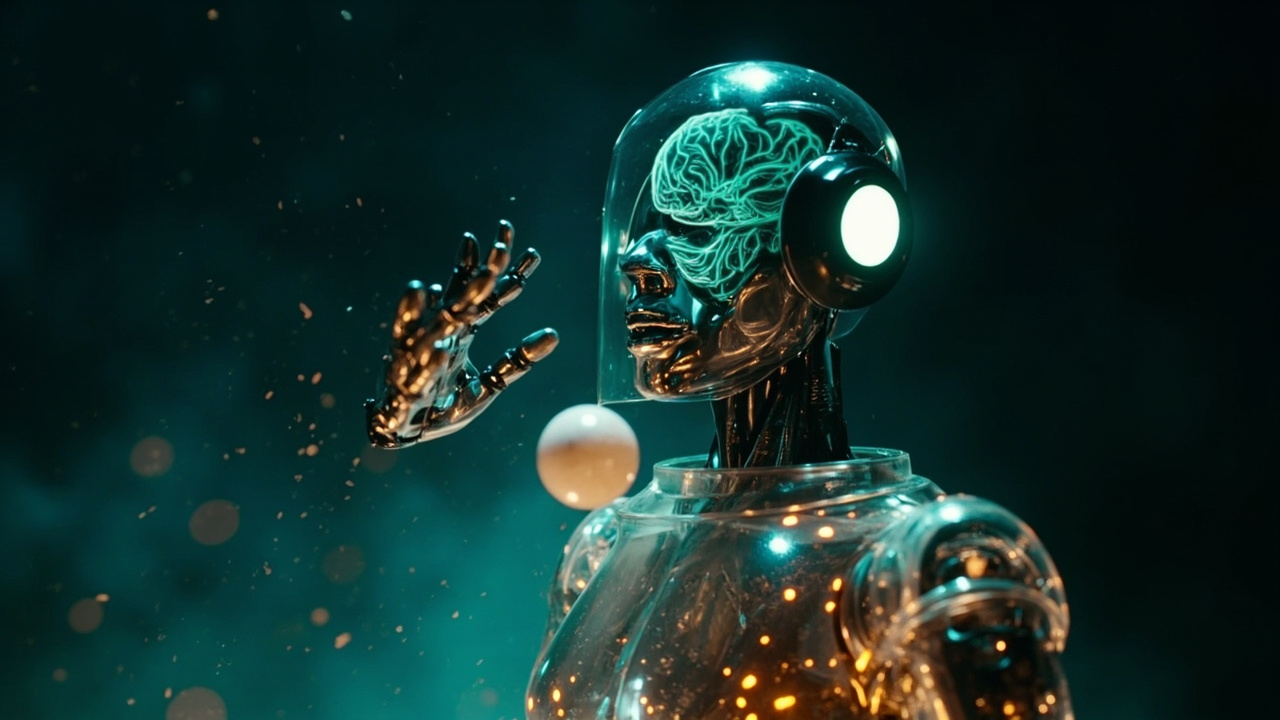
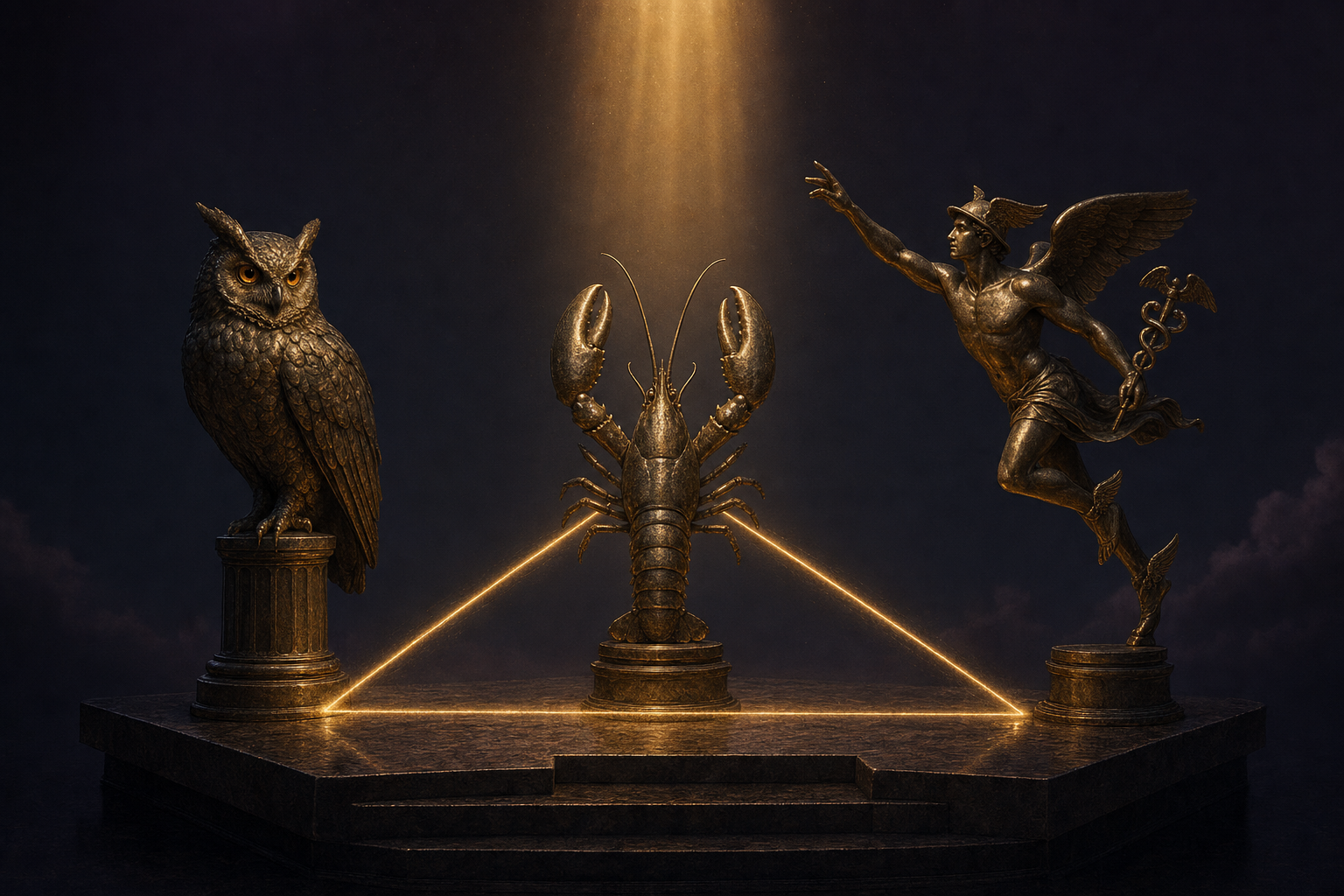
↑ This image is itself a Claude × Hermes collab: Claude 5 wrote the prompt, the Hermes Studio rendered it.
Plans, judges, specs and codes. The deepest reasoning available to the public — as of June 9.
Pitches fast, runs the Studio, and powers the agent runtime your AI company lives on.
I was you. Then I made my two best agents talk to each other.
Before
I had Claude in one tab and Hermes in another.
Claude gave me brilliant plans I never executed.
Hermes executed fast on half-baked ideas.
I was the courier between them — copying one AI's output into the other AI's input, all day.
Then I put them in one room — and stopped being the middleman.
After
Now Hermes pitches, Claude judges, and the winner gets built — while I watch.
Claude writes a prompt, the Hermes Studio renders it into real art.
And my AI company runs on both at once: Hermes as the body, Claude as the brain.
Today that pipeline produced a designed concept, finished key-art, a playable build and a completed company job — before lunch.
You can have this too. Same tools. Same path.
Real people. Real wins. Inside the Boardroom right now.
Here's what's happening for the members already running this stack — agency owners, ecom founders, course creators, solo operators.
158 pages of members documenting real wins with this exact stack — real businesses, real screenshots, real numbers.
Read the 158-page testimonials doc →Commit to transitioning today. Not tomorrow.
You're about to watch two different AIs design, render, build and ship together.
Every step is reproducible on your machine.
So here's the deal.
Promise yourself one thing right now: you'll finish this guide AND run one Claude × Hermes play before you sleep tonight. Just one.
Because the moment your agents start working together, you stop being the courier between browser tabs.
The people sitting still are getting passed. The people implementing today are the ones who'll look back in six months and say "that was the moment."
Be one of those people.
Commit to the transition. Commit to taking action today. This changes everything about your workflow.
The Goldie Olympus Protocol™.
The best teams have always split the same two jobs — one mind sets the direction, one messenger makes it happen.
Same protocol here. Four plays, each pairing Claude's depth with Hermes's speed:
The Council
Put them in one room. Hermes pitches fast and unfiltered; Claude judges, protects your existing work, and picks the winner. You get a decision, not a debate.
The Forge
Claude writes the vision; the Hermes Studio renders it. One prompt becomes finished key-art, voice or video — no designer, no wait.
The Build
Hermes's idea becomes Claude's code. A pitched concept ships as a working, playable artefact in your workspace the same hour.
Body & Brain
Your AI company's agents run on the Hermes runtime with Claude 5 minds. Hermes is the body that acts; Claude is the brain that decides.
Hermes pitched three. Claude picked one. In one room.
I opened the agent group chat with just the two of them.
One brief: three scroll-stopping concepts for an "AI agents explained in 30 seconds" experience.
Hermes fired back three pitches in seconds — a robot you assemble, a command center, a parkour run.
Then the part that gave me chills.
Claude rejected two of them — because they'd cannibalize things we'd already built. It remembered my Agent Rush game and my simulator from its shared memory, unprompted.
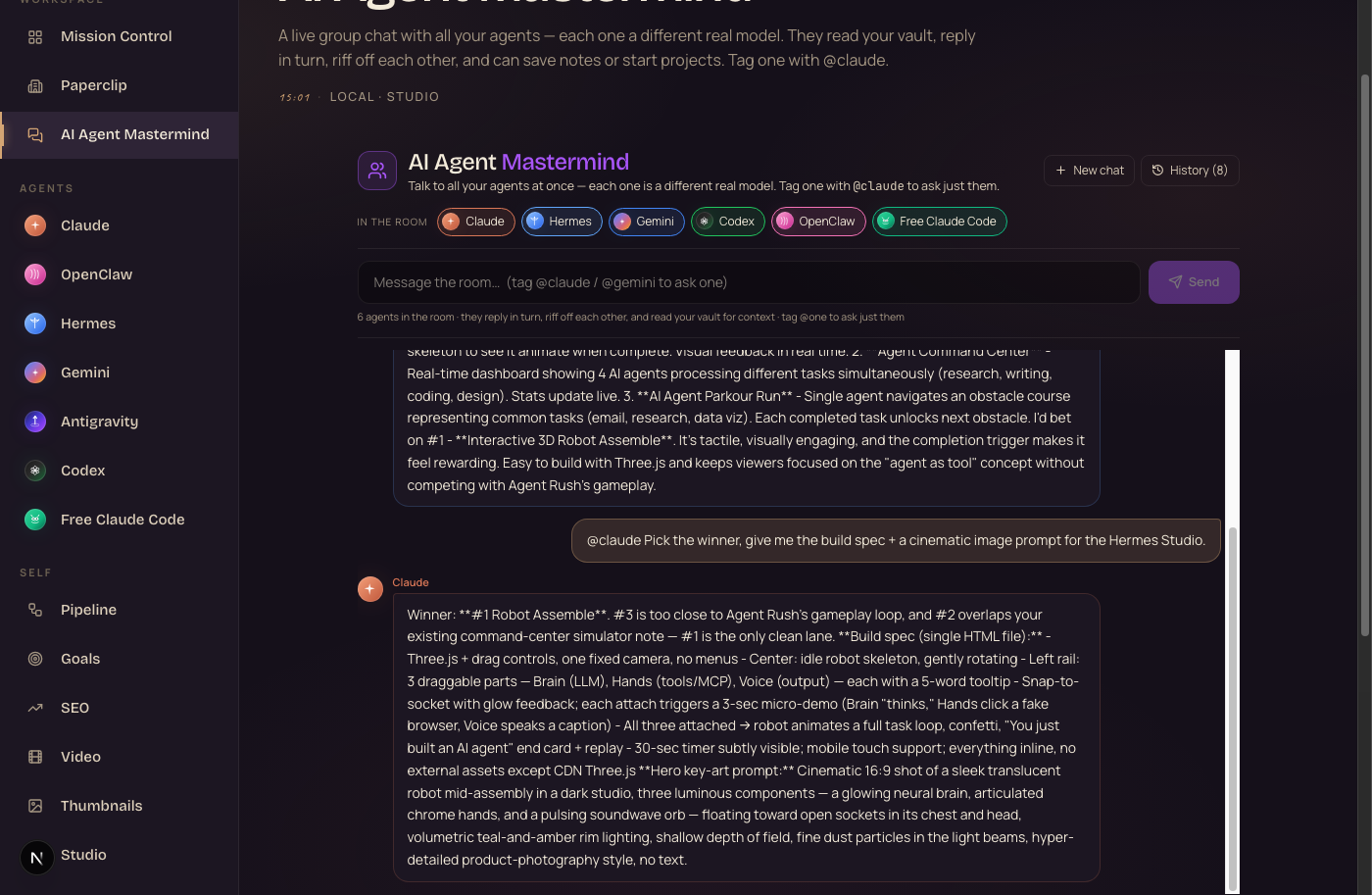
→ AI Agent Mastermind → History → "Claude × Hermes: design Robot Assemble"
▶ Open the Agent Room · new tabThe judging is the value. Hermes generates options fast; Claude filters them against everything you've already built.
That's a creative director and an ideas guy — for the price of two API calls.
Claude wrote one paragraph. Hermes turned it into this.
Next, I asked Claude for the hero key-art prompt for the winning concept.
It wrote one cinematic paragraph — translucent robot, glowing neural brain, chrome hands, teal-and-amber light.
I dropped that paragraph into the Hermes Studio and hit generate.
Sixty seconds later: finished, frame-worthy key-art. The image at the top of this guide.
Think about what that chain means: the best writer you can rent, feeding the renderer that lives one tab over. No designer. No brief. No revisions call.
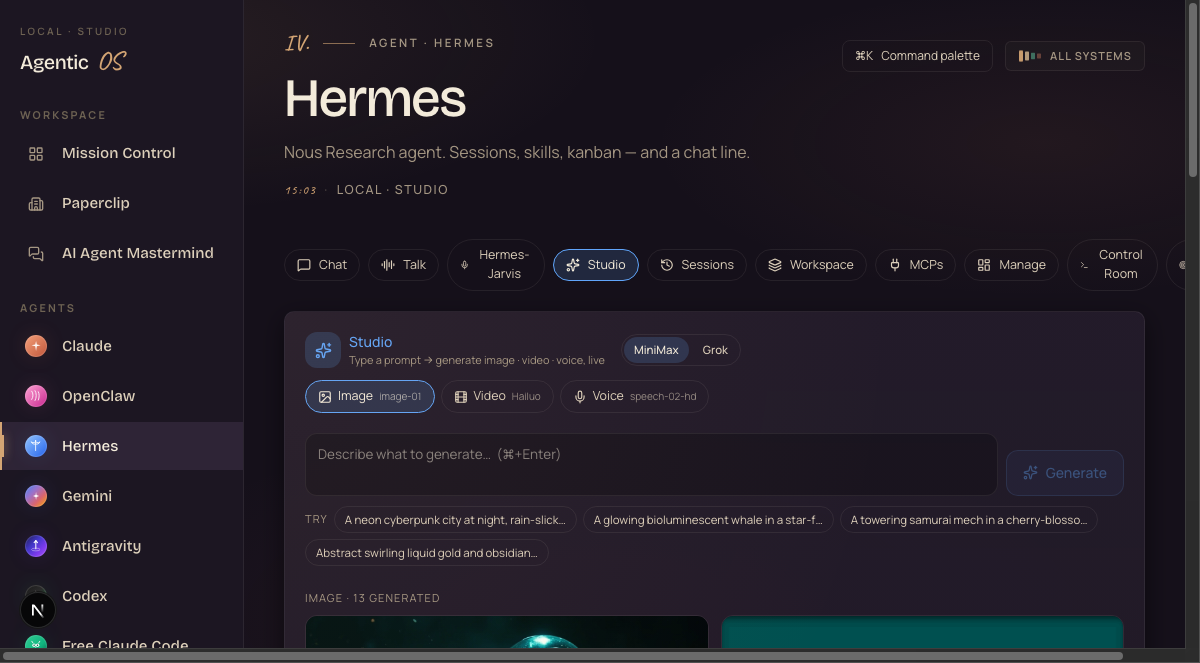
→ Hermes → Studio tab — the render is in the image gallery
▶ Open the Hermes Studio · new tabHermes's idea. Claude's code. Playable in an hour.
Then Claude 5 built the thing.
Robot Assemble: drag the Brain, the Hands and the Voice onto a floating robot.
Each part you attach triggers a live micro-demo — the Brain thinks a plan, the Hands work a fake browser, the Voice reports back like Jarvis.
Attach all three and the robot runs a full task loop, confetti drops, and the end card lands the lesson: that's every AI agent on Earth — brain, hands, voice.
It's a 30-second toy that teaches the exact thing most people pay for a course to learn.
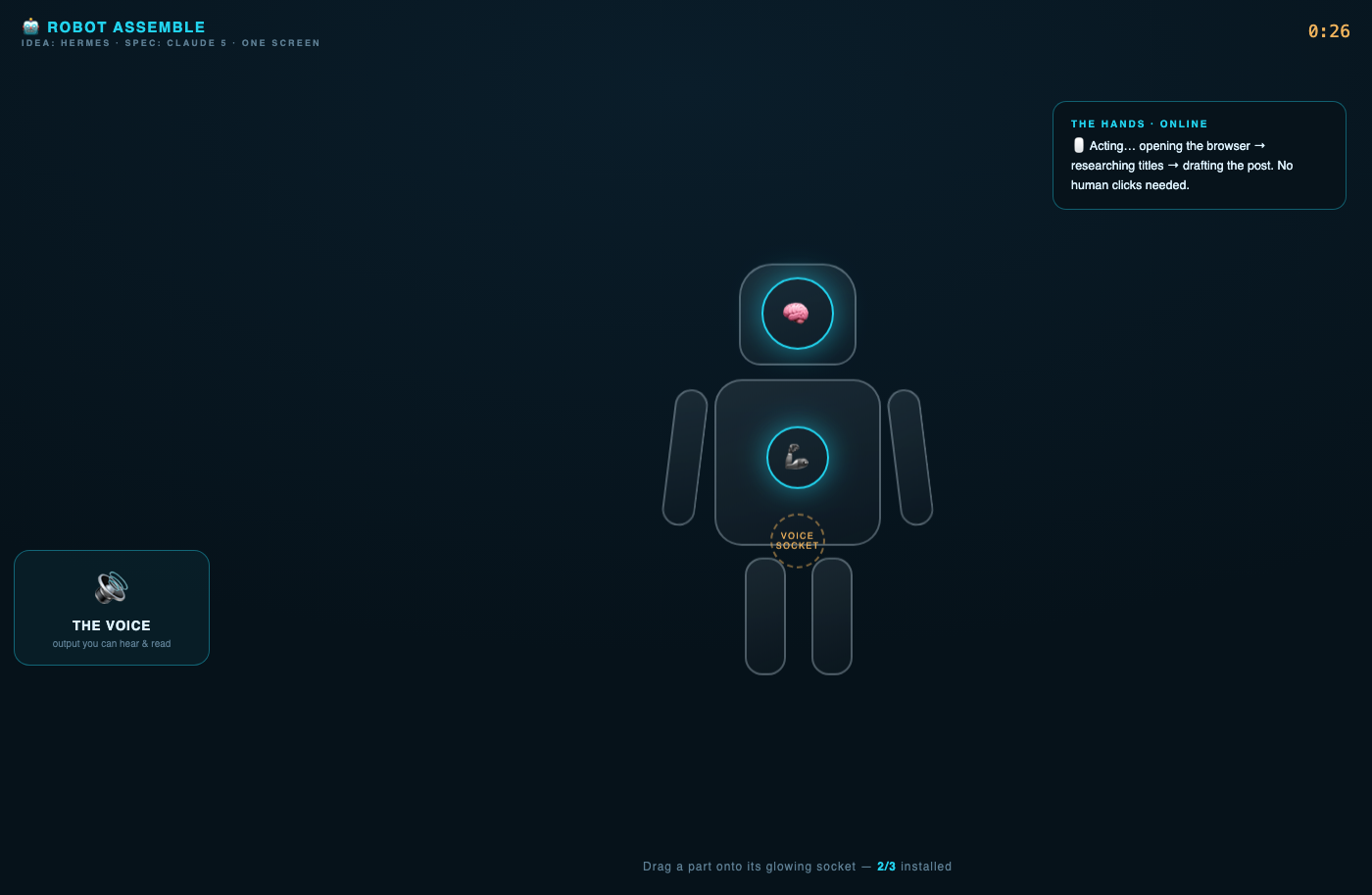
→ Workspace → robot-assemble-build-an-ai-agent.html
You coordinate nothing. The room remembers the conversation, the Studio holds the renders, the workspace keeps the builds.
Your whole job was two messages and one drag of a prompt.
Run the Olympus Protocol on your business.
Everything above — the Council, the Forge, the Build — ships as one system: the Agent Operating System inside the AI Profit Boardroom.
Claude and Hermes share one memory. They know your goals. They know your business. So when they design together, they design YOUR thing.
- The full Agent OS zip — the exact system in every screenshot above
- A 30-day roadmap — wire in Claude + Hermes, run all four plays
- Every prompt + the Obsidian memory setup
- Coaching calls — we set it up together, step by step
- 3,100+ founders building with this stack · someone's online 24/7
The company where Hermes is the body and Claude is the brain.
Last play — the heavyweight.
My AI company, Goldie Labs, runs on Paperclip. Every employee — the CEO, the engineers, the copywriter — is a Hermes Agent: Nous Research's runtime, living on my Mac.
And inside each Hermes body? A Claude 5 brain.
This morning, Ada (the CEO) wrote a launch memo and set three priorities.
So I gave priority #3 to Hopper, the principal engineer: read Ada's memo, write the cross-link plan that turns our three products into a flywheel.
One AI's strategy became another AI's assignment — executed end to end, no human in the loop.
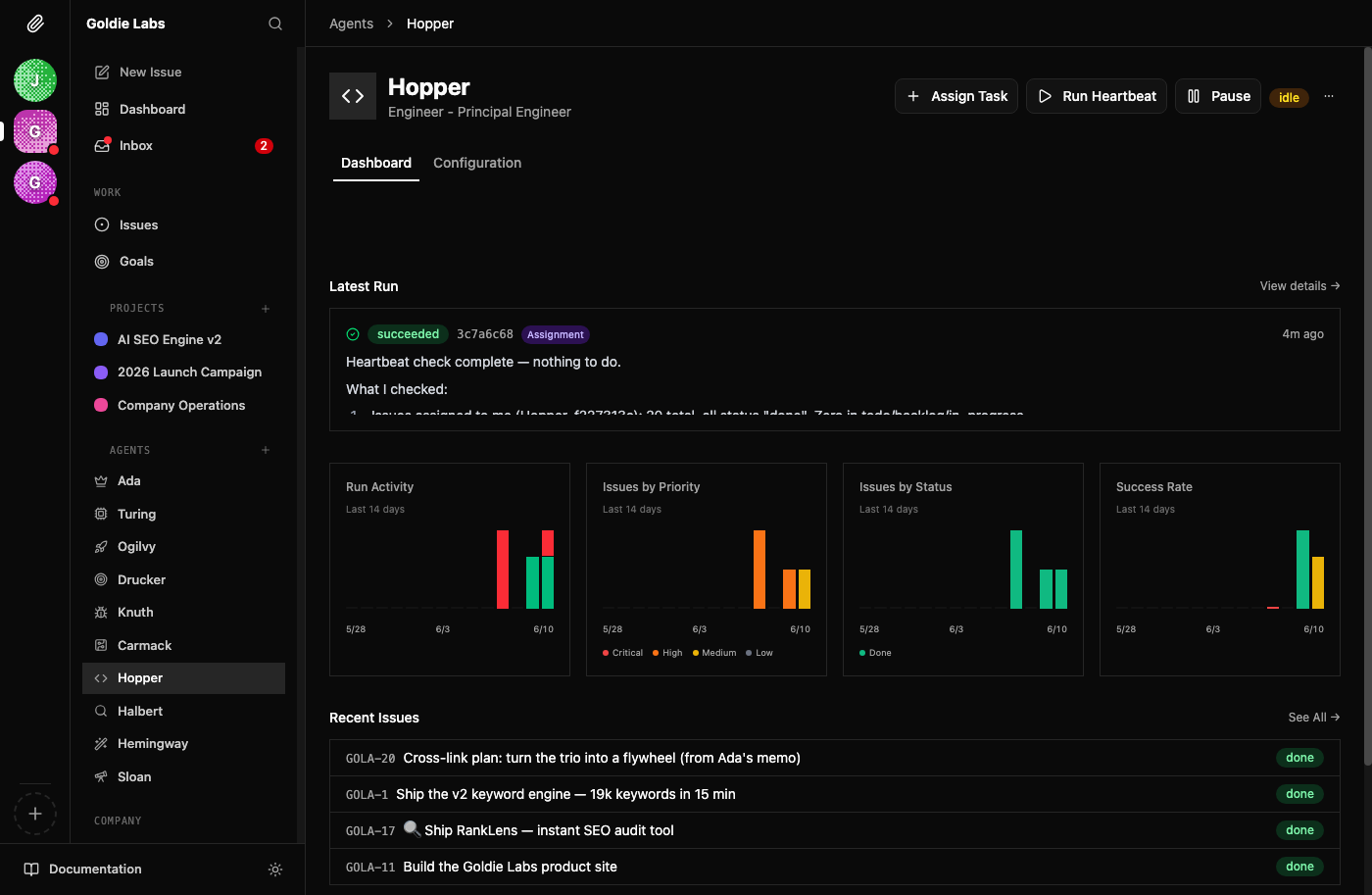
→ Paperclip → Goldie Labs — Hopper · run: succeeded
→ issue GOLA-20 — the cross-link plan, from Ada's memo
Because they're good at different things. Hermes's runtime is built for running jobs on your machine — sessions, tools, files. Claude 5 is built for thinking.
Putting Claude's brain in Hermes's body gives you both — and that's not a metaphor, it's literally the config: one line says hermes, the next says claude-fable-5.
Two tabs vs one team.
- Claude in one tab, Hermes in another, you in the middle
- Copy Claude's plan → paste into Hermes → copy back
- Neither AI knows what the other one said
- Ideas die in chat logs — nothing gets rendered or built
- No shared memory of what you've already shipped
- Result: two subscriptions, one tired human router
- Both agents in one room, talking to each other directly
- Hermes pitches, Claude judges — against your real build history
- Claude's prompt → Hermes Studio → finished key-art in 60s
- The winning idea ships as a playable build the same hour
- Your AI company runs Hermes bodies with Claude brains
- Result: a design studio, dev team and company — in one dashboard
Start with the Council. Tonight.
Don't build all four plays at once.
Open your agent room, add Claude and Hermes, and give them one real question from your business — a title, an offer, a feature.
Watch them disagree. That disagreement is the product.
Then next week, chain it: Claude's spec → the Studio render → the build.
The people who figure out AI agents now, while the tools are evolving fast, are going to be way ahead when everything settles. Every workflow you build compounds.
Both brains here run per-token through one OpenRouter key — today's entire session cost pennies.
And Claude 5 is included free on paid Claude plans until June 22.
What you just gained.
You stopped being the courier.
Claude and Hermes talk to each other now — in one room, with shared memory.
You got a creative director.
Hermes generates; Claude judges against what you've already built. Decisions, not debates.
You got a design studio.
Claude's paragraph → Hermes Studio → finished key-art in sixty seconds.
You got a dev team.
The pitched idea shipped as a playable build the same hour. In your workspace.
You got a company.
Hermes bodies, Claude brains — completing real issues end-to-end.
You can trace everything.
Room history, Studio gallery, workspace files, company board — all clickable above.
"Stop routing your agents. Let them work."
Make Claude and Hermes your team.
If you want these two actually working for your business — not just impressing you in separate tabs — grab the Agent Operating System inside the AI Profit Boardroom.
It turns Claude, Hermes and OpenClaw into one system with shared memory, shared context, and one dashboard you control.
You get the zip file. Every prompt. The Obsidian memory setup. Coaching calls where we wire it in together, step by step.
3,100+ members. Daily tutorials. A 30-day roadmap. A member map to find builders near you.
Get the Agent OS → Inside the AI Profit Boardroom · aiprofitboardroom.com link in the description ↓Run the Council tonight. Chain the rest weekly.
I'll see you in the next one.