I'm answering your real questions today — live from the AI Profit Boardroom community.
Seven members asked. Seven straight answers.
One member runs a medical transport business, and his elderly clients need to book rides by just calling a phone number — I'll show you the exact setup that does it.
Another wants an AI that never forgets his business — the answer is one folder, and I'll show it running on my own screen.
No fluff. Straight into it.
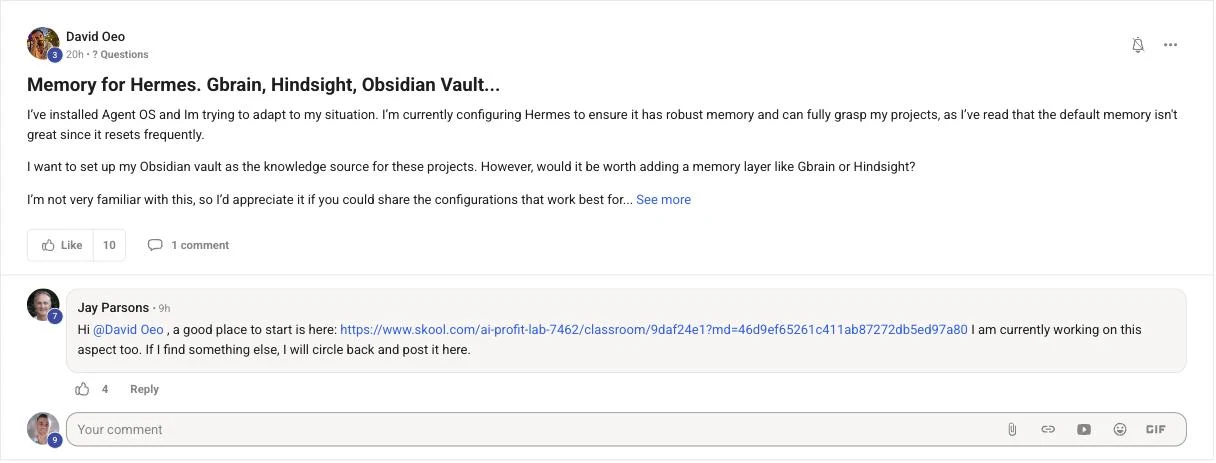
Great question, David — and the answer is simpler than you think.
Obsidian is ready to go.
It stores the memory — that's its whole job in this stack.
Every chat and every session auto-logs into the vault.
And every agent — Hermes, Claude Code, all of them — reads the SAME vault.
So nothing resets.
Adding Gbrain or Hindsight on top just creates more problems, more tokens, and more confusion for the Hermes agent.
One folder. One brain. Keep it simple.
That's backwards.
One shared brain beats three partial ones.
One folder in the middle. Every agent plugged into the same brain — that's the whole memory system.
What you're watching: my real Agent OS. The Hermes chat says it right on screen — every exchange auto-saves to the Obsidian vault. Then the Memory tab opens the same vault as a galaxy: 1,261 memories, 186 notes, one brain shared by every agent.
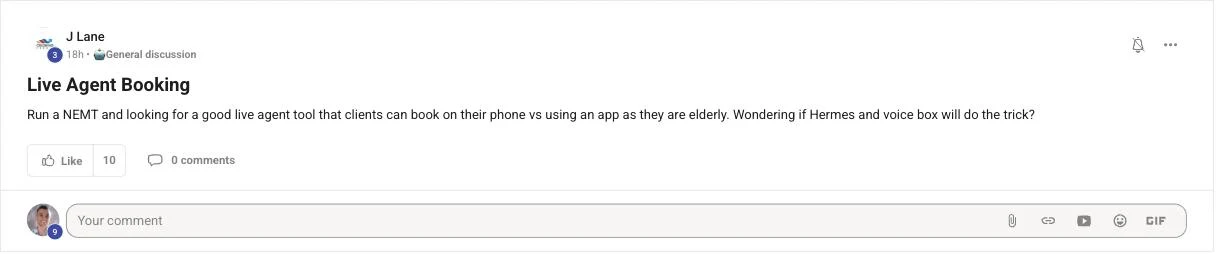
Yes — and there's an even simpler way than most people think.
Connect Hermes to Telegram or WhatsApp — whatever you already use.
Then plug in the Google Workspace API.
A booking message comes in, and Hermes books it straight into your Google Calendar.
That's the actually-simpler route: no new app, no new login, just the chat your clients already have.
The alternative: Tailscale + the Agent OS + a voice agent on a real phone number.
That one is built for your elderly clients — they just CALL.
No app. No login. The voice agent answers, takes the booking, writes it into the calendar, and confirms out loud.
Keep a human fallback for anything unclear, and start with one number and one booking flow.
Two lanes, one calendar. Lane 1: a Telegram or WhatsApp message goes through Hermes and the Google Workspace API. Lane 2: a real phone call goes through the voice agent — built for clients who just want to dial.
What you're watching: Apollo — the realtime voice agent inside my Agent OS — live and listening. This is the same voice tech that answers a phone line: it hears, replies out loud, and writes what it agreed into your tools.
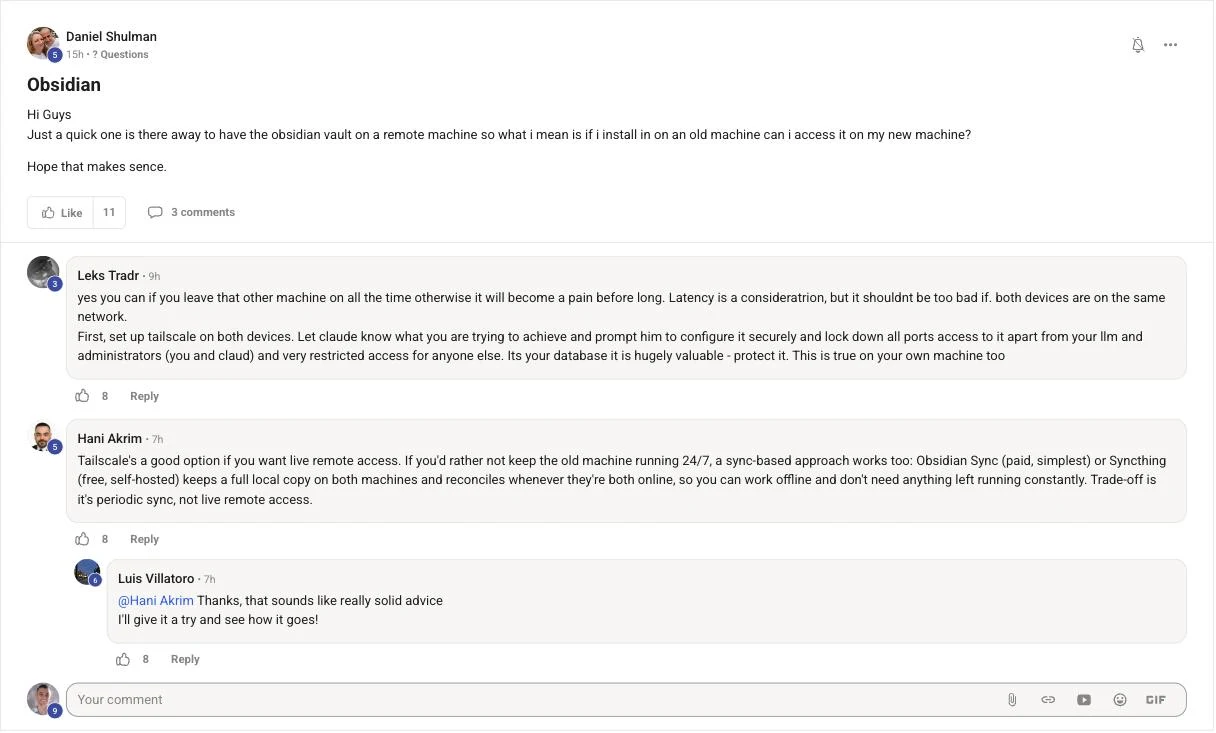
Yes — because the vault is just a folder of files.
There are three clean ways.
Way one: sync the folder between machines.
Obsidian Sync does it, or a synced folder like iCloud, Drive, or Syncthing.
Way two: reach the old machine directly with Tailscale.
It's free, takes about ten minutes, and it's the same trick that lets you open the whole Agent OS dashboard from anywhere.
Way three: use the Obsidian MCP to sync it — or simply log into Obsidian on both machines and restore the vault between them.
Pick whichever feels easiest. They all end the same way: one vault, both machines.
Same vault, two machines: sync the folder, reach the old machine over Tailscale, or let the Obsidian MCP — or just your Obsidian login — carry it across.
If you want me to answer your questions personally, like I'm doing in this video, post them inside the AI Profit Boardroom community — I do this every single day with video tutorials.
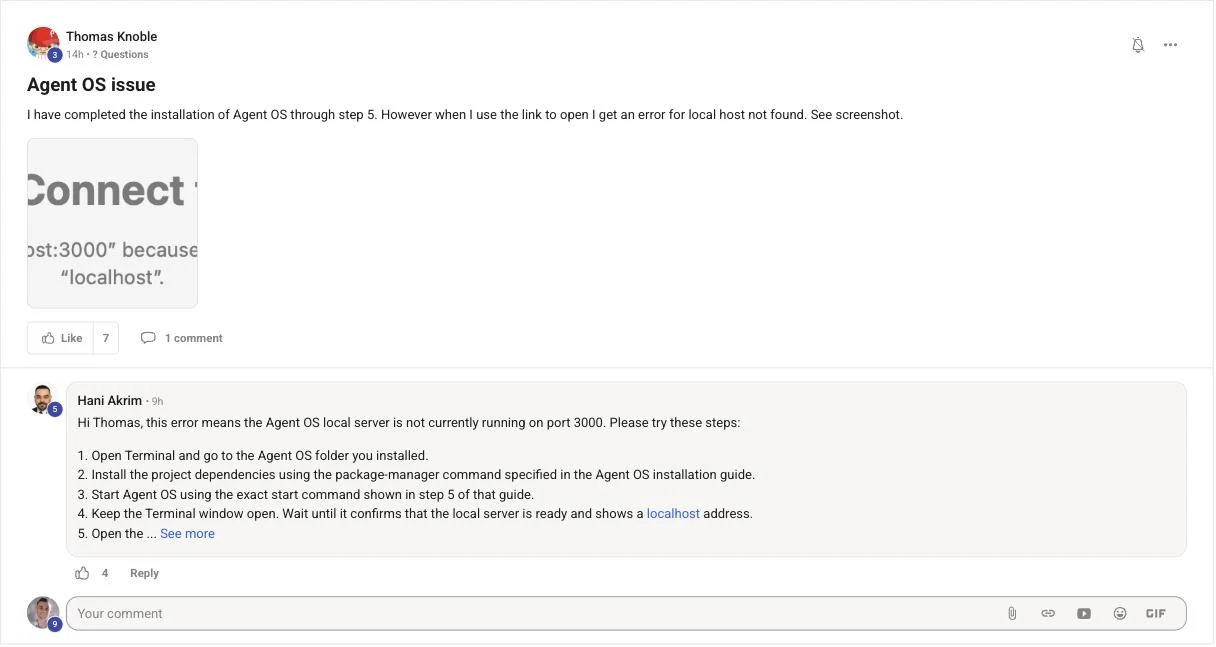
Good news, Thomas — your install is fine.
"Localhost not found" just means the dashboard app isn't running yet.
It's a local app.
The link only works while the app is on.
The fix: open the terminal in the Agent OS folder, run the start command, and WAIT until it says ready.
Keep that window open.
Then reload localhost.
One more thing: sometimes it IS running — just at a different local address.
So ask Claude: "Is it running? If not, start it. If it is running, what address is it on?"
If it still fails, restart the machine and run it again — that clears a stuck port.
This is a two-minute fix, not a broken install.
Localhost is a door into an app on YOUR machine — it only opens while the app is running.
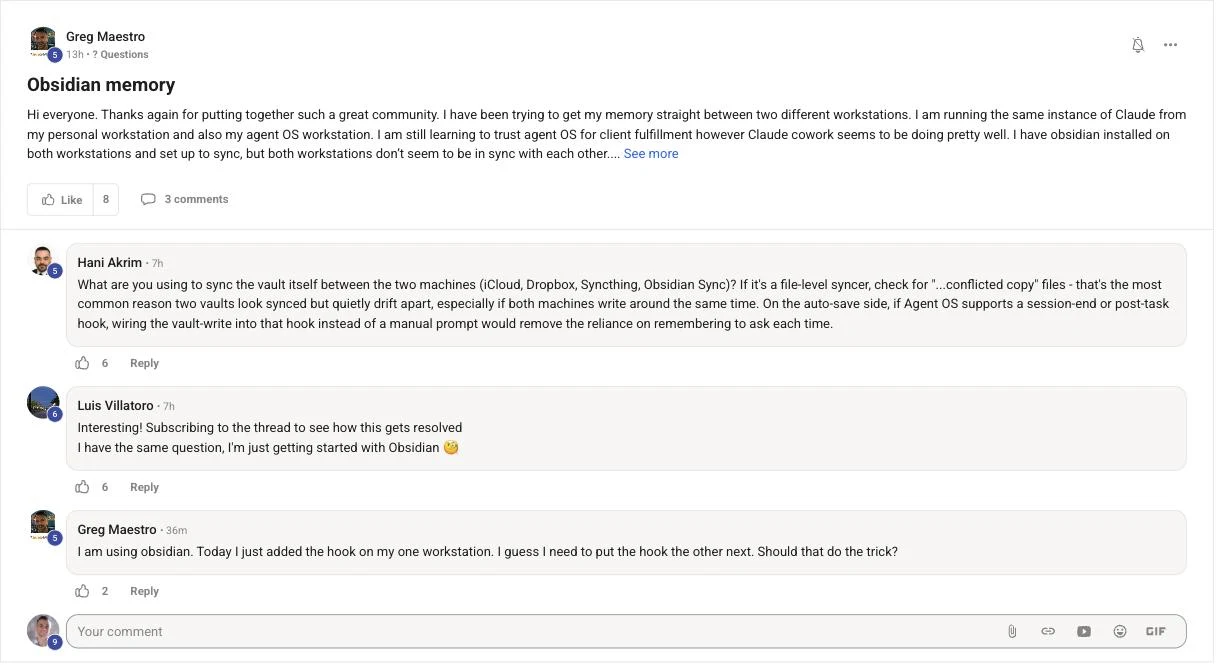
Greg, here's the rule that fixes this: pick ONE sync engine.
Two sync tools on the same vault fight each other.
That's how you get conflicted copies.
So choose one — Obsidian Sync, or iCloud, or Syncthing — and turn the others off for that folder.
Use the same folder path on both machines.
Let the first sync finish before you edit on both sides.
Then run the test: edit one note on machine A, and watch it appear on machine B.
Only trust it after you've seen that.
Not the same thing.
Always verify with a test note before you rely on it.
Left: two sync tools wrestling over one folder. Right: one engine, one path — and the test note that proves it.
Every question on this page came from a member — and got a personal video answer.
That's the normal daily rhythm inside the AI Profit Boardroom.
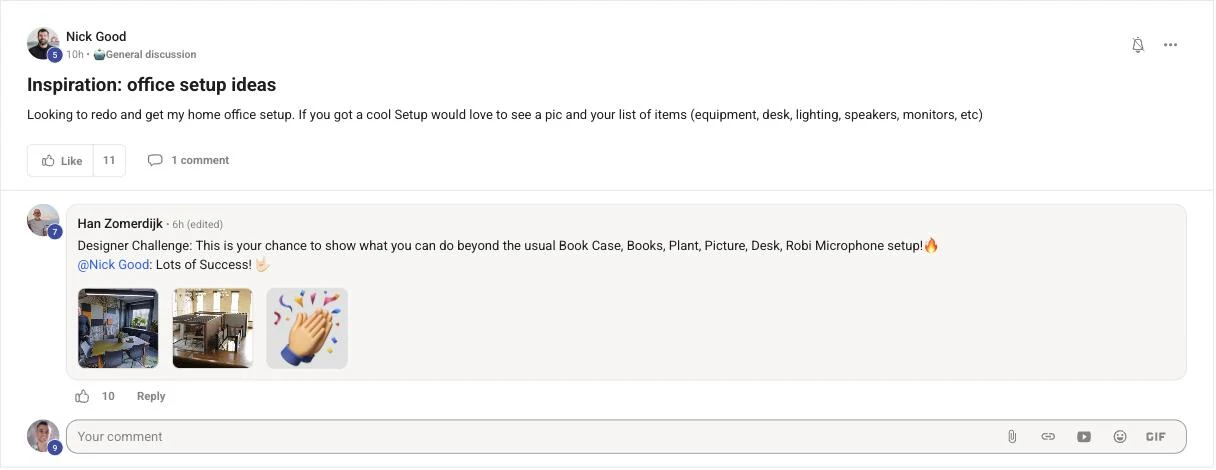
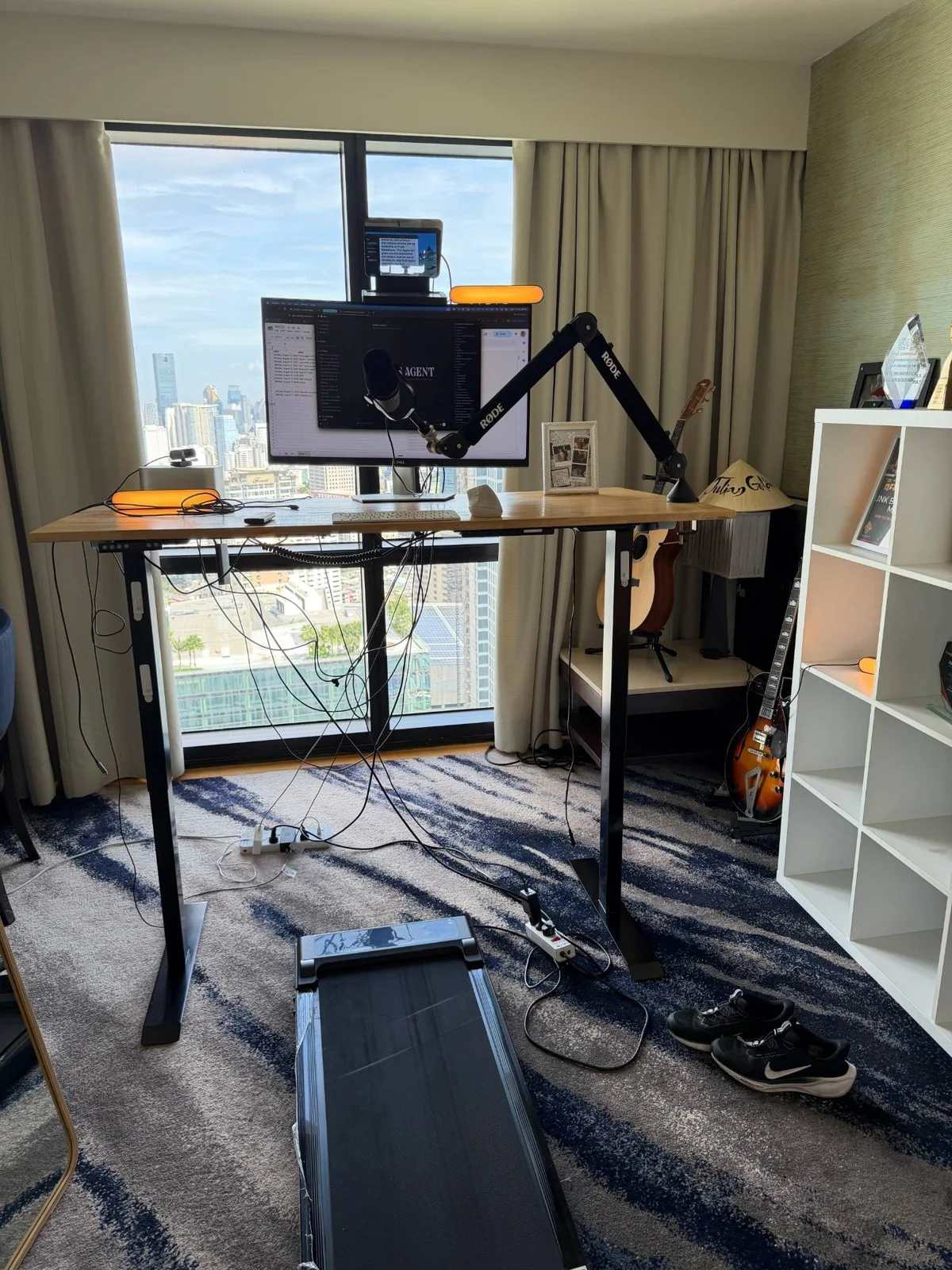
Nick, here's my honest answer — straight from my own room.
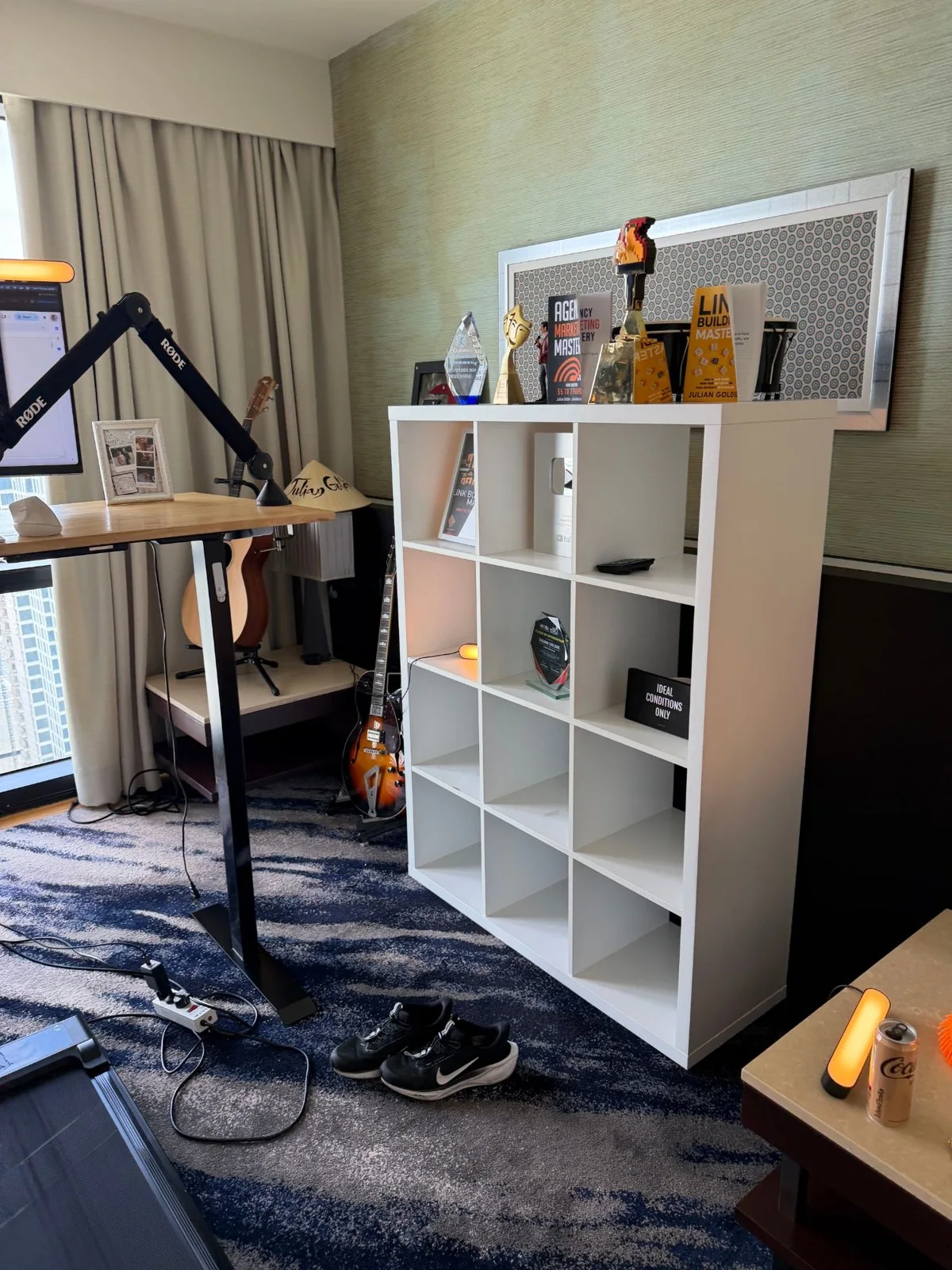
I use a WALKING TREADMILL under a standing desk, so I don't sit.
I walk while I work.
And the real wins are simple: a nice office you actually enjoy being in, plus a second monitor.
Then spend in this order: good mic first, light second, second monitor third.
Everything else is decoration.
Here are my actual desk photos so you can steal the layout — and post your pics in the thread, I'd love to see the finished room.
Mic, then light, then the second monitor for your agents — in that order.
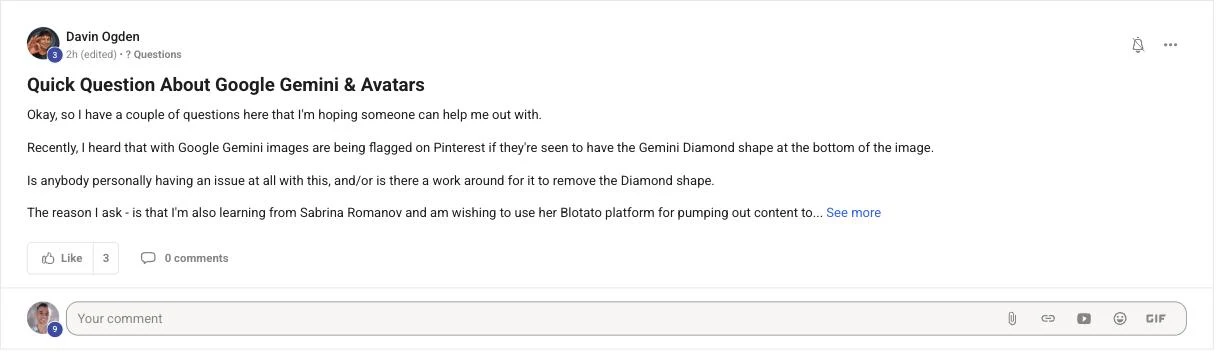
On Pinterest — I'm not an expert on the Pinterest side, 100% transparent.
What I'd do is warm the account up naturally.
Do normal, natural activity first, then build from there.
Same way I approached Reddit and X.
On avatars — going completely faceless with voice only is totally fine.
It's actually a benefit.
Audio platforms like Fish sound a lot more realistic, and they plug into video tools much more easily.
A full-face avatar locks you into whatever voice platform has the right API for your video tool.
Top: the faceless pipeline — script, a realistic voice, any video tool. Bottom: the avatar path that locks you to one platform.
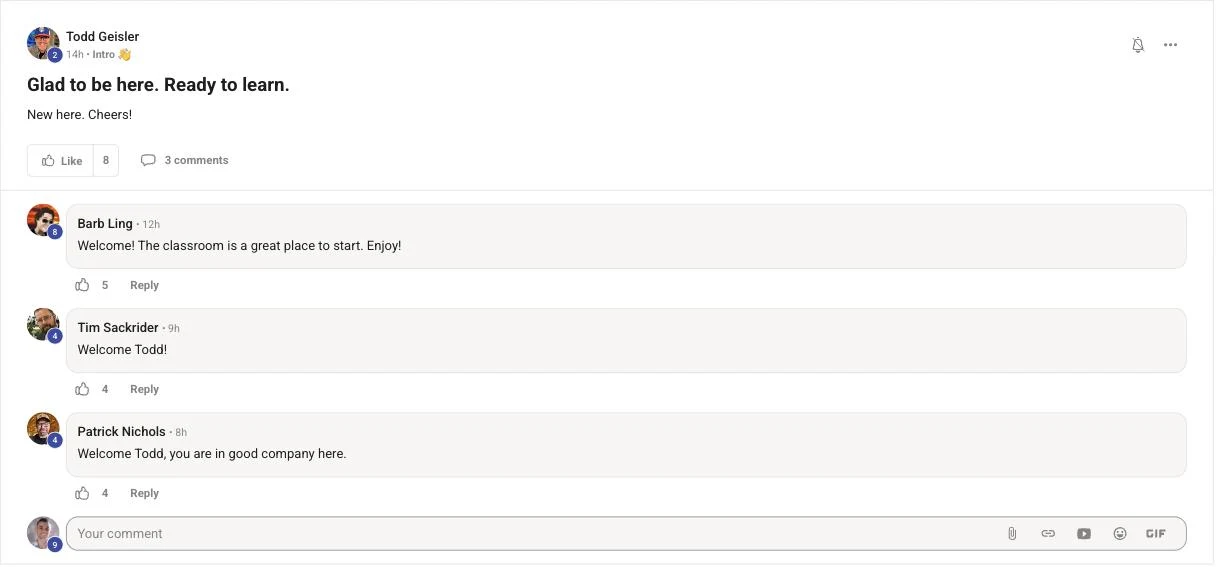
Welcome here, Todd.
I recommend starting with the Start Here post — it walks you through the whole thing in order.
Members post their wins every day — agency owners, ecom founders, course creators, solo operators across 38 countries. Real businesses, real numbers, in their own words.
Read the 158-page wins doc →If you want me to answer your questions personally, like I'm doing in this video, post them inside the AI Profit Boardroom community — I do this every single day with video tutorials.
Seven members asked this week and got personal video answers — that's what you just read.
Readers bookmark this page and keep guessing alone.
Members post the question, get the answer, and move on to the next win.